
Marrakech
Morocco’s Red City of historic imperial palaces, UNESCO-listed medina, and vibrant souks.
Why Go to Marrakech
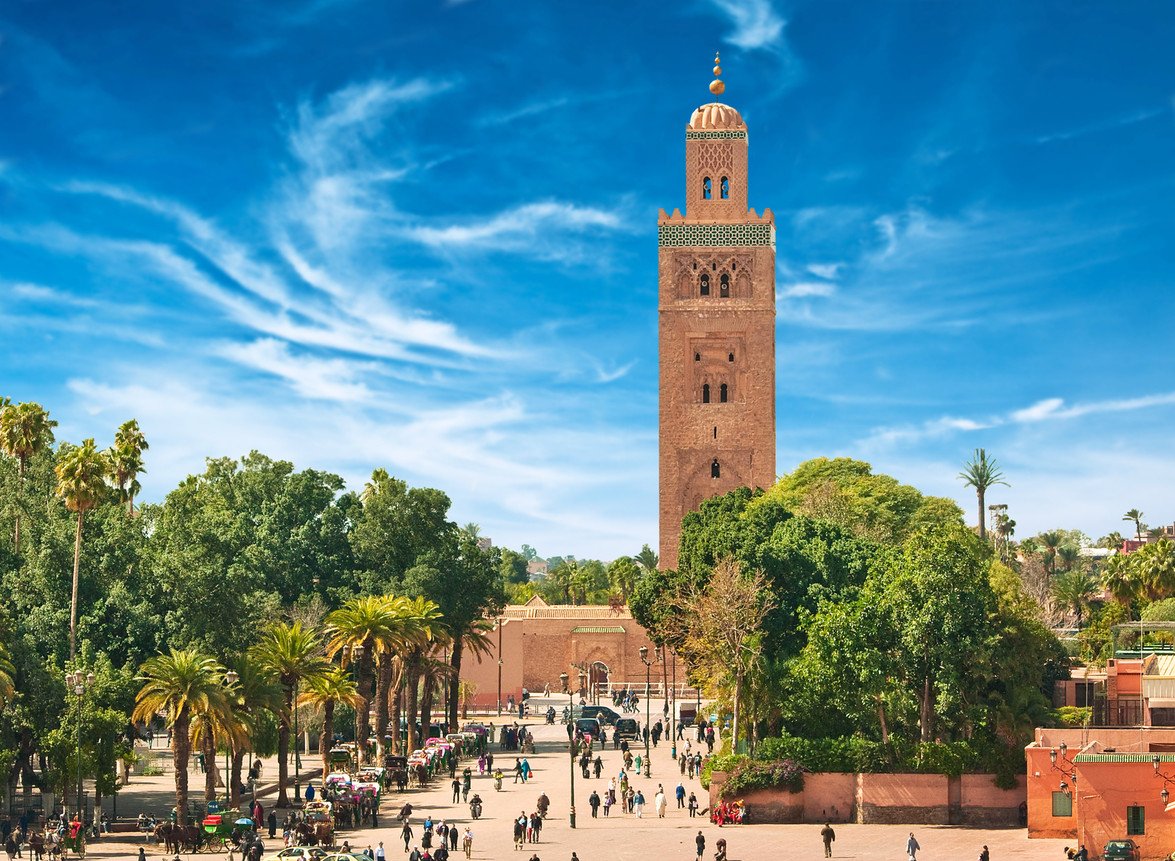
Known as Morocco’s Red City or Ochre City, Marrakech is one of the country’s four historic imperial cities and one of its most captivating destinations. At its heart is the UNESCO-listed Medina, founded by the Almoravids in the 11th century and filled with winding lanes, traditional riads, markets, gardens, palaces and monumental gates. The snow-capped High Atlas Mountains can often be seen beyond the city, creating a dramatic backdrop to Marrakech’s palm trees and warm-colored architecture.
The city’s most famous gathering place is Jemaa el-Fna, a vast square that changes character throughout the day. By evening, food stalls, musicians, storytellers and performers transform it into one of Morocco’s liveliest public spaces. UNESCO recognizes the cultural space of Jemaa el-Fna as part of the world’s intangible cultural heritage.
Marrakech offers much more than its famous square. Wander through the souks of the Medina, admire the intricate zellige tilework and carved plaster of Bahia Palace, visit the brilliant blue Jardin Majorelle, explore the historic Ben Youssef Madrasa, or relax in a traditional hammam. Just outside the city, travelers can also experience the Atlas Mountains, Berber villages, the rocky landscapes around Agafay, or visit Essaouira from Marrakech on a popular coastal day trip.
Best of Marrakech
Best Hotels in Marrakech
Marrakech has an exceptional range of palace hotels, luxury resorts and intimate riads. These are 10 notable high-end options rather than an official ranking:
Royal Mansour Marrakech
Unusual and ultra-luxurious property where accommodation consists of private multi-story riads with private courtyards and rooftop plunge pools rather than conventional rooms.
La Mamounia
Marrakech’s landmark historic luxury palace hotel, set within centuries-old royal gardens just steps from Jemaa el-Fna and the Koutoubia.
Amanjena
A serene oasis of quiet palatial pavilions and reflection pools inspired by the old Moorish architecture of southern Morocco and the Menara.
Mandarin Oriental, Marrakech
Set amidst 20 hectares of landscaped gardens and olive groves, featuring private pool villas with views toward the snow-dusted Atlas Mountains.
The Oberoi, Marrakech
Spectacular palace architecture inspired by the 14th-century Ben Youssef Madrasa, surrounded by citrus orchards and fragrant rose gardens.
Selman Marrakech
Distinguished luxury estate with Andalusian-Arabian architecture, home to private purebred Arabian horses and a majestic 80-meter swimming pool.
Four Seasons Resort Marrakech
A tranquil 40-acre sanctuary with palm-lined pools, modern luxury amenities, and family-friendly resort comfort moments from the Medina ramparts.
La Sultana Marrakech
An intimate, authentic luxury riad hotel in the historic Kasbah district near the Saadian Tombs, formed from five interconnected heritage riads.
Park Hyatt Marrakech
Contemporary luxury resort situated within the Al Maaden residential golf development, offering sweeping vistas of the High Atlas foothills.
Fairmont Royal Palm Marrakech
Sprawling luxury domain nestled against the Atlas peaks, featuring an 18-hole golf course, expansive spa, and secluded villa living.
Royal Mansour is particularly unusual because accommodation consists of private riads rather than conventional hotel rooms, while La Mamounia remains one of the city’s landmark luxury hotels. Four Seasons, Amanjena, Mandarin Oriental, the Oberoi and several other properties provide quieter resort-style alternatives outside or around the historic center.
Best Things to Do in Marrakech
Experience Jemaa el-Fna at sunset and in the evening
Watch the UNESCO-recognized cultural square transform into an open-air spectacle of food stalls, musicians, storytellers, and performers under glowing lantern light.
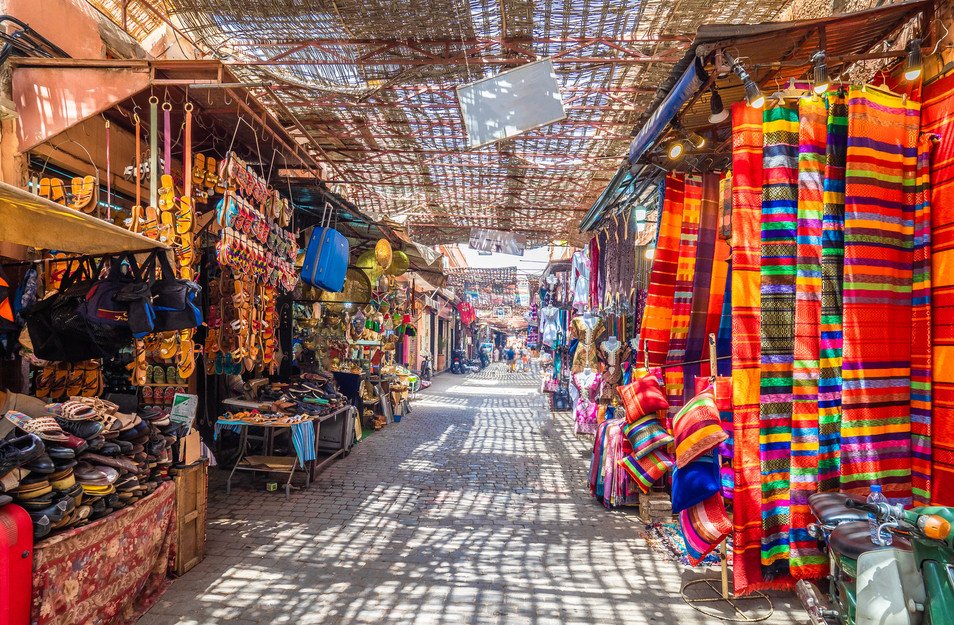
Get lost in the souks and lanes of the Medina
Wander through maze-like artisan quarters filled with fragrant spices, handcrafted leather babouches, brass lanterns, hand-knotted Berber rugs, and cedar woodwork.
Explore Bahia Palace
Admire the 19th-century masterpiece of Moroccan craftsmanship with its sunlit courtyards, stained glass, carved stucco, and elaborate cedar ceilings.
Visit Jardin Majorelle
Stroll through the brilliant cobalt-blue villa and botanical sanctuary created by Jacques Majorelle and lovingly restored by Yves Saint Laurent and Pierre Bergé.
Admire the Koutoubia Mosque and its gardens
Gaze up at the 12th-century Almohad minaret—the architectural prototype for Seville’s Giralda and Rabat’s Hassan Tower—surrounded by rose and palm gardens.
Visit the Ben Youssef Madrasa
Step inside Morocco’s largest historic Islamic college to marvel at peerless zellige mosaic tilework, marble courtyards, and delicate honeycomb plaster carvings.
Explore the Saadian Tombs
Discover the opulent 16th-century royal mausoleum sealed for centuries, featuring the breathtaking Chamber of the Twelve Pillars carved from Italian Carrara marble.
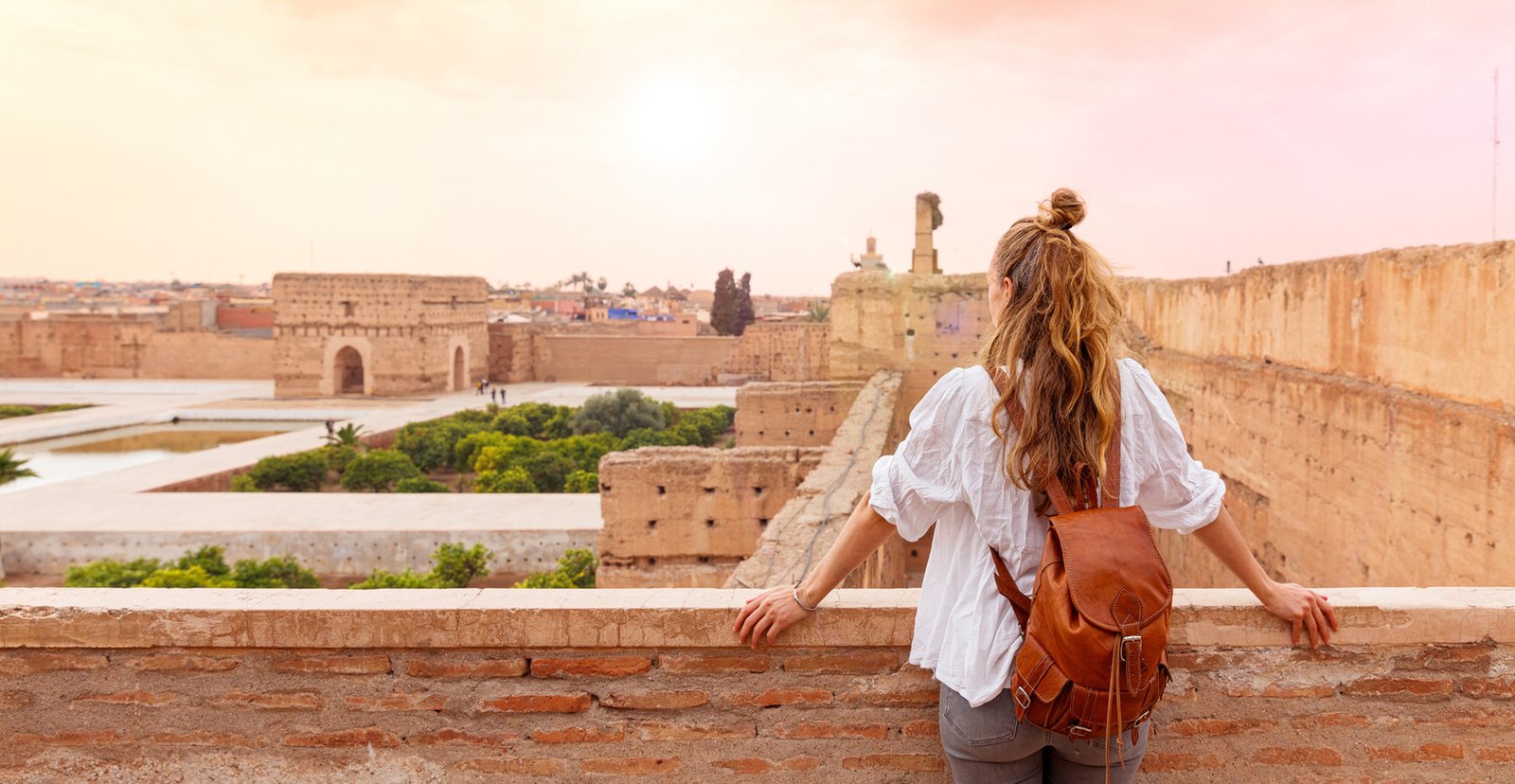
Walk through the ruins of El Badi Palace
Feel the monumental scale of the 16th-century Saadian palace ruins, where storks nest atop towering pisé ramparts overlooking subterranean museum vaults.
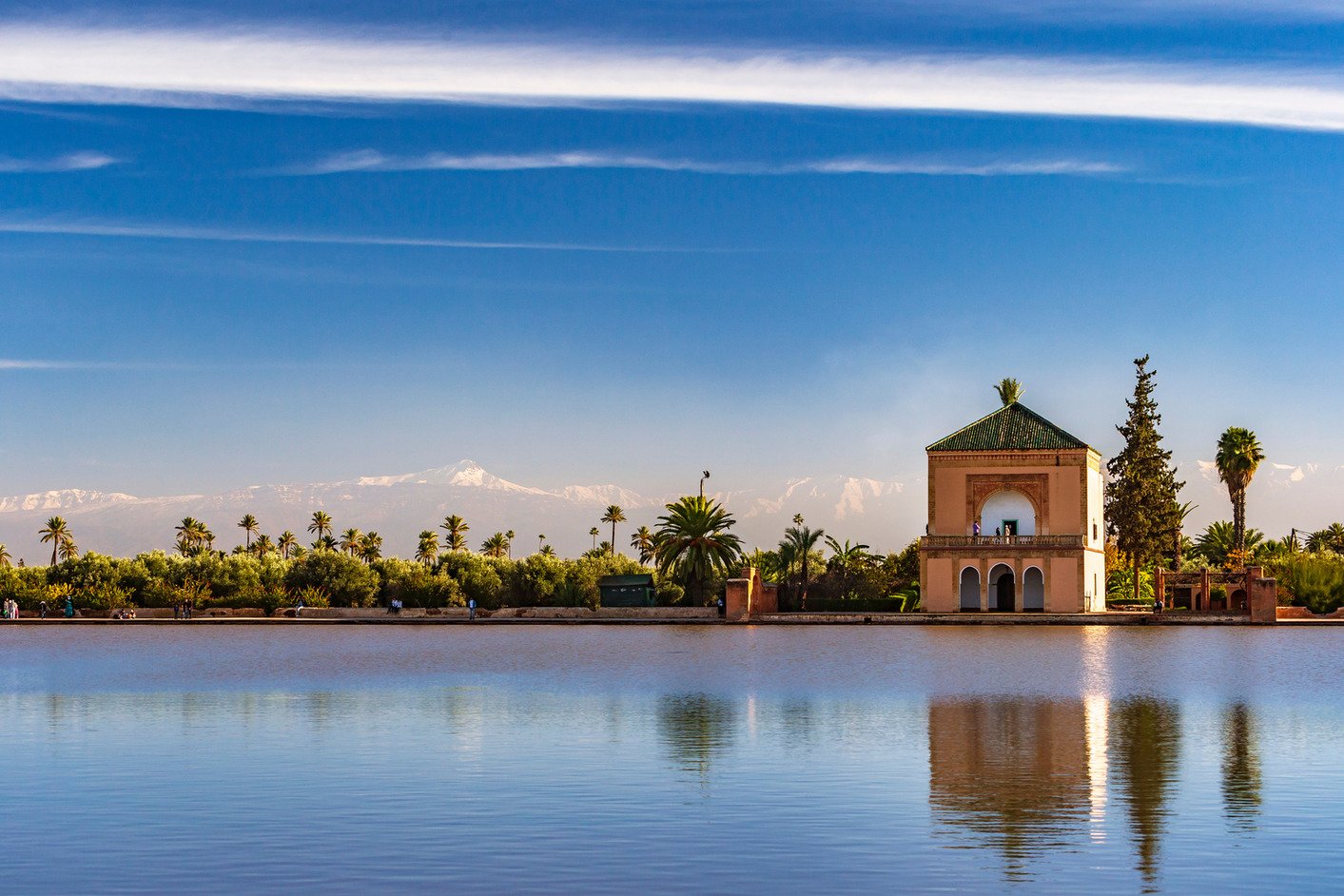
Relax around the Menara Gardens
Enjoy a peaceful stroll around the 12th-century olive orchards and grand reflection pavilion, framing panoramic views of the Atlas Mountains across the water.
Take a day trip into the High Atlas Mountains
Venture into the mountain valleys and traditional Berber villages of Imlil or Ourika to experience mountain hospitality and dramatic terraced scenery.
The Medina itself has been a UNESCO World Heritage Site since 1985 and contains many of Marrakech’s most important monuments, including the Koutoubia, Saadian Tombs, Ben Youssef Madrasa, city ramparts and Jemaa el-Fna.
Marrakech Travel Tips
Best Months to Visit
For most travelers, spring and autumn are the most comfortable seasons for visiting Marrakech, particularly roughly March through May and late September through November. Days are generally warm without the extreme heat that is common in midsummer. July and August can be intensely hot, with average daytime highs around 98°F (37°C), so sightseeing during the middle of the day may become uncomfortable.
Winter is another good option if you prefer fewer hot days. Daytime temperatures are usually mild, but nights can become surprisingly cool because Marrakech has a large difference between daytime and nighttime temperatures. January’s average high is around 66°F, while the average low is about 44°F.
For comprehensive climate guidelines across the Sahara and northern regions, consult our detailed analysis on the best time to visit Morocco.
Weather in Marrakech
Average Temperature (°F)
Mild winter afternoons (66°F–69°F), warm spring/autumn days (74°F–83°F), and intense midsummer heat (98°F).
Average Monthly Rainfall (in)
Arid to semi-arid climate with peak precipitation in November–January (1.1–1.4 in) and virtually zero rain during summer.
| Month | Average High (°F) | Average Low (°F) | Average Rainfall (in) |
|---|---|---|---|
| Jan | 66°F | 44°F | 1.3 in |
| Feb | 69°F | 47°F | 1.2 in |
| Mar | 74°F | 52°F | 1.2 in |
| Apr | 77°F | 55°F | 0.8 in |
| May | 83°F | 59°F | 0.3 in |
| Jun | 91°F | 65°F | 0.1 in |
| Jul | 98°F | 70°F | 0 in |
| Aug | 98°F | 70°F | 0.1 in |
| Sep | 90°F | 66°F | 0.2 in |
| Oct | 82°F | 61°F | 0.7 in |
| Nov | 73°F | 52°F | 1.4 in |
| Dec | 67°F | 46°F | 1.1 in |
These are long-term climate averages rather than forecasts; individual years and days can be much hotter, colder or wetter.
What You Need to Know
- Learn a few words of Darija. Morocco’s official languages are Arabic and Amazigh, while French is also widely understood. Try “Salam” for hello, “Shukran” for thank you, “Afak” for please and “Beslama” for goodbye. Even a few words can make everyday interactions easier.
- Bargaining is part of the souk experience. Prices in traditional markets are often negotiable. Ask the price first, bargain politely and don’t feel obligated to buy something simply because you’ve discussed the price. Morocco’s tourism office even includes bargaining expressions in its recommended Darija vocabulary.
- Carry some Moroccan dirhams. Morocco’s currency is the Moroccan dirham (MAD or DH). Cards are increasingly common in hotels, restaurants and larger businesses, but cash remains useful in souks, smaller cafés and for minor purchases.
- Respect religious spaces. Marrakech has many important Islamic monuments. The exterior and gardens of the Koutoubia Mosque can be admired by everyone, but the mosque itself is not normally open to non-Muslim sightseeing visitors.
- Consider a guide for the Medina. Its maze of narrow streets is part of Marrakech’s charm, but a knowledgeable licensed guide can provide historical context and make it easier to locate less obvious monuments and craft districts.
How to Save Money in Marrakech
- Eat where locals eat. Instead of relying only on hotel restaurants and fashionable rooftop venues, try neighborhood cafés, bakeries, market stalls and small Moroccan restaurants. Dishes such as tagine, couscous and Marrakech’s local specialty, tanjia, can provide a much more affordable introduction to Moroccan cuisine. Morocco’s tourism authority highlights tagine, couscous, pastilla and mint tea among the country’s signature foods.
- Walk through the Medina. Many major sights are concentrated in and around the historic center. Jemaa el-Fna, the souks, Bahia Palace, the Mellah, El Badi Palace and the Koutoubia area can be combined into long walking routes.
- Use petit taxis for longer urban trips. For journeys between the Medina and neighborhoods such as Gueliz or Hivernage, taxis can be inexpensive compared with private transfers. Ask the driver to use the meter where applicable and clarify the fare before departing if necessary.
- Enjoy the free atmosphere. Wandering the souks, exploring Jemaa el-Fna, walking along the city walls and admiring the Koutoubia from outside cost nothing. You can therefore experience much of Marrakech’s character without paying admission at every stop.
Culture & Customs
Marrakech is a major tourist city, but it remains deeply connected to Moroccan and Islamic traditions. Arabic and Amazigh are Morocco’s official languages, with Darija, Moroccan Arabic, widely used in everyday conversation. French is also extensively spoken and understood, particularly in tourism, business and hospitality.
Greetings and hospitality are important parts of social interaction. A simple “Salam alaykum” is an appreciated greeting, while “Shukran” means thank you. Moroccan mint tea is closely associated with hospitality and is commonly offered in homes, riads and shops.
Visitors do not need to imitate local dress, but relatively modest clothing is a respectful choice, particularly around religious or traditional areas. During Ramadan, daily rhythms can change noticeably, with some businesses altering their hours and many Muslims fasting between dawn and sunset.
Marrakech’s markets are also an important part of its cultural identity. Leatherwork, carpets, lanterns, ceramics, metalwork, spices, textiles and woodwork fill the souks. Bargaining is normal in many traditional shops, but it is best approached as a friendly negotiation rather than a confrontation.
The official currency is the Moroccan dirham. Credit cards can be used in many formal businesses, but carrying cash is useful for smaller purchases. Small tips are also common for good service in restaurants, hotels and tourism, though practices vary considerably by situation.
What to Eat
Marrakech is one of Morocco’s most exciting food destinations. You can eat everything from elaborate Moroccan tasting menus in restored riads to grilled meats and inexpensive snacks in neighborhood restaurants and markets.
The dish most closely associated with Marrakech is tanjia marrakchia. Traditionally, meat is slow-cooked with spices in an earthenware vessel, producing a rich, tender dish. Morocco’s official tourism site specifically identifies tanjia as a mythical dish of Marrakech.
You should also try classic Moroccan staples such as tagine, a slow-cooked dish that can combine meat, vegetables, preserved lemon, olives, fruit or spices; couscous, traditionally associated particularly with Friday meals; and pastilla, a sweet-and-savory pastry traditionally prepared with poultry or other fillings.
For breakfast or a snack, look for msemen, a layered Moroccan flatbread, and Moroccan pancakes served with honey, butter or preserves. Street stalls and cafés also offer grilled meats, sandwiches, soups and freshly squeezed juices.
Moroccan meals make extensive use of ingredients such as cumin, saffron, cinnamon, ginger, preserved lemons, olives, almonds, dates and fresh herbs. Dessert may be simple fruit or Moroccan pastries accompanied by sweet mint tea.
And don’t leave without sitting down for Moroccan mint tea. More than a drink, tea is an important part of Moroccan hospitality and social life.
Safety
Marrakech receives large numbers of international visitors, but normal big-city precautions are important. Pickpocketing and other petty theft can occur in busy tourist areas, crowded markets and public transportation. Keep phones, wallets and bags secure, especially in Jemaa el-Fna and the souks.
Travelers should also be cautious around unsolicited guides, overly persistent sellers and strangers who suddenly offer directions and then request payment. Avoid displaying large amounts of cash or expensive jewelry, and use officially identifiable taxis rather than unmarked vehicles.
The current U.S. State Department advisory for Morocco recommends increased caution, including because of the terrorism risk, and advises travelers to remain attentive in tourist areas, transportation hubs and other crowded public places. Travelers should consult their own government’s latest advisory shortly before departure because security guidance can change.
Getting Around Marrakech
The Medina is best explored on foot. Many streets are extremely narrow, and walking allows you to experience the souks, riads, workshops and historic buildings that would be impossible to appreciate from a vehicle.
For longer distances, petit taxis are commonly used. Marrakech also has buses, tourist sightseeing buses and traditional horse-drawn carriages. Morocco’s tourism authority specifically lists taxis, buses, walking and carriage rides among ways to explore its cities.
Travelers arriving by air use Marrakech Menara Airport (RAK), the city’s international airport. The airport provides taxi and bus services as well as currency exchange and other passenger facilities.
Marrakech is also connected to Morocco’s national railway network. ONCF trains connect the city with destinations including Casablanca, Rabat and other major Moroccan cities, making rail a practical option for travelers combining Marrakech with other parts of the country. Travelers continuing through Morocco's imperial cities can also travel onward to Fes. Current timetables should be checked directly with ONCF because schedules can change.
Driving inside central Marrakech is generally unnecessary for visitors. Traffic can be busy, and parking around the Medina can be inconvenient. Walking and taxis are usually easier within the city, while private cars can make more sense for excursions outside Marrakech.
Entry & Exit Requirements
For U.S. citizens visiting Morocco, a valid passport with at least one blank page is required. A tourist visa is not required for stays of less than 90 days, according to current U.S. State Department information.
Travelers of other nationalities should check Morocco’s requirements for their own passport before booking because visa rules differ by citizenship. Entry rules can also change, so passport validity, visa requirements and any health or customs requirements should always be rechecked with an official government source shortly before travel.
Marrakech Guided Tours
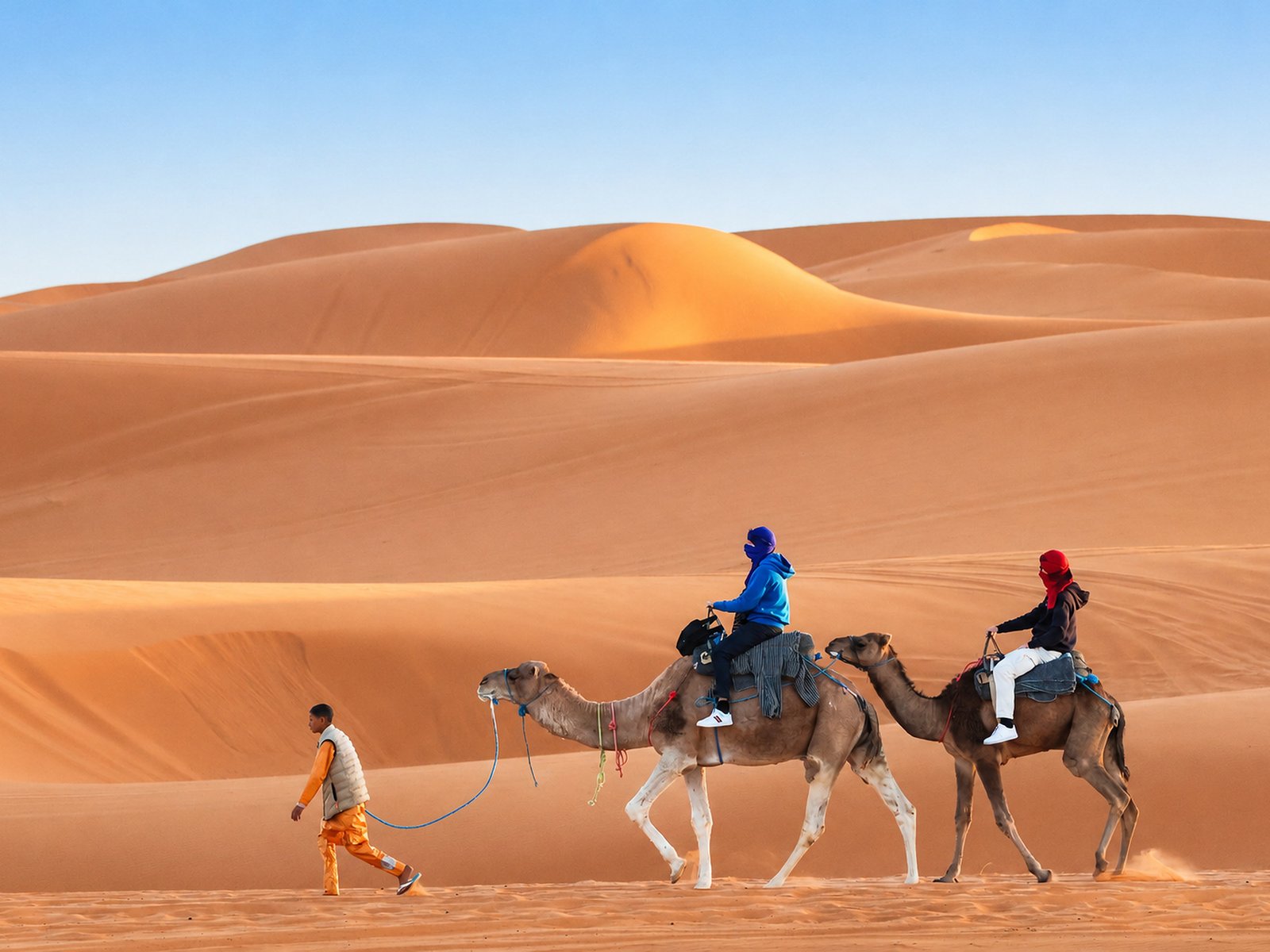
3-Day Marrakech to Merzouga Guided Desert Tour
Cross the High Atlas Mountains, explore ancient kasbahs, and sleep under the Saharan stars.

Atlas Mountains & Berber Villages Guided Day Trip from Marrakech
Take a full-day trip from Marrakech into the High Atlas Mountains, visiting Ourika Valley, Berber villages, Setti Fatma, Oukaïmeden, Sidi Fares, Asni and Tahnaout.

Essaouira Day Trip from Marrakech — Optional Guided Visit
Discover the relaxed blue-and-white Atlantic coastal fortress town famed for fresh seafood, historic ramparts, and thuya artisan woodwork.
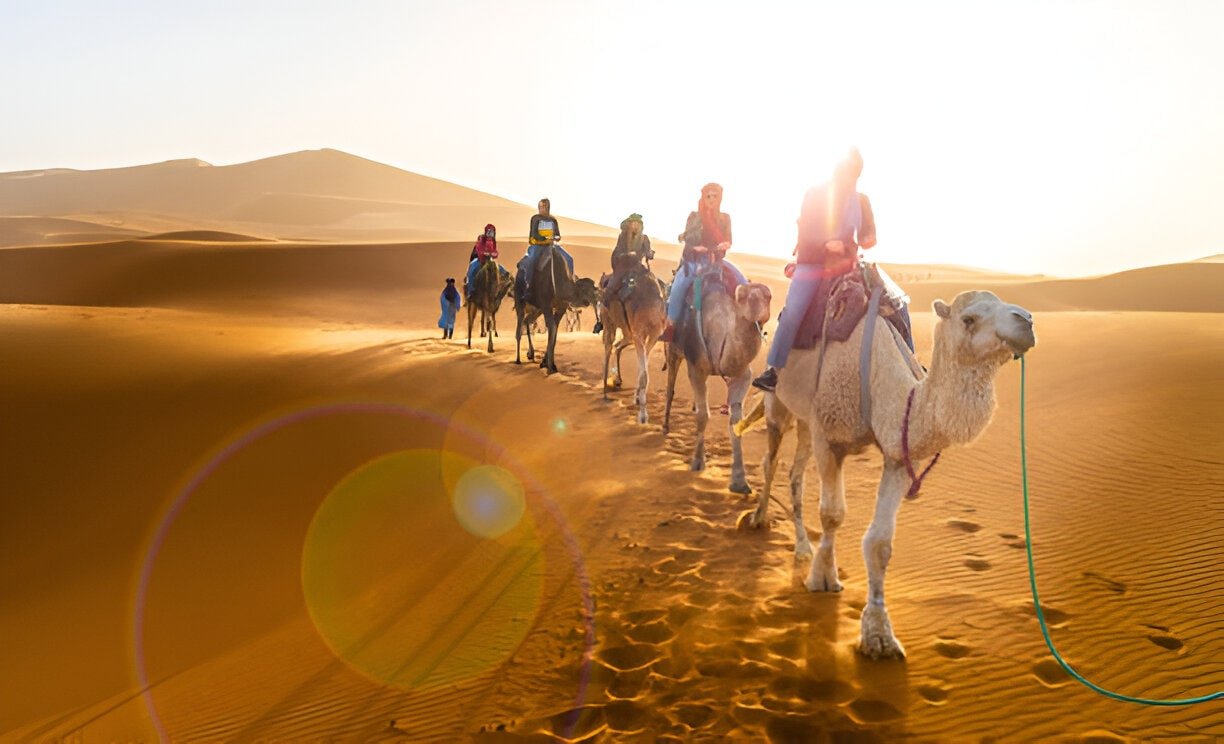
5-Day Marrakech to Fes Guided Desert Expedition
A 5-day one-way desert expedition from Marrakech to Fes through Ait Ben Haddou, Dades, Todra Gorge, and Erg Chebbi with two desert camp nights.
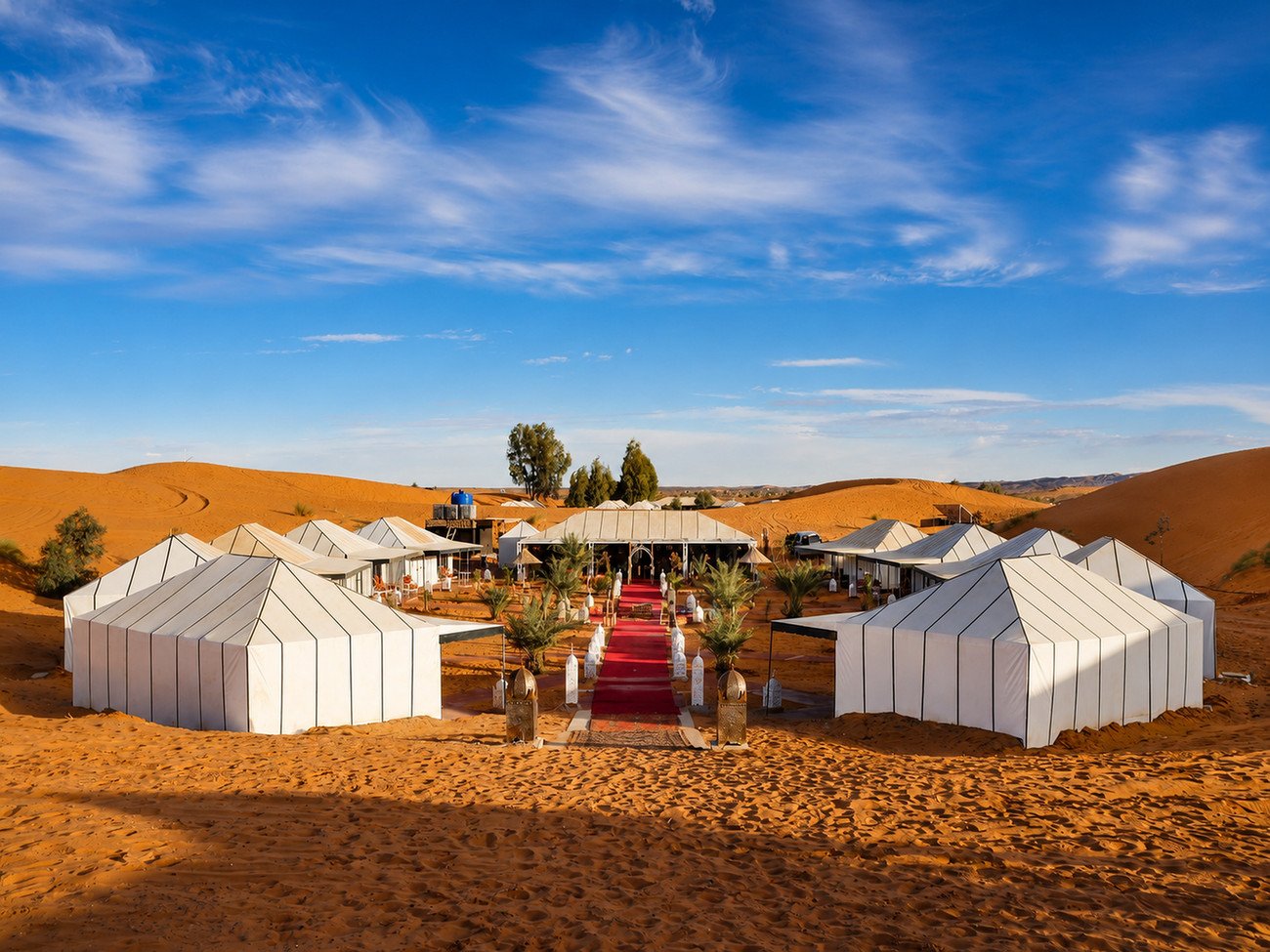
4-Day Luxury Guided Sahara Desert Experience
A 4-day luxury Sahara desert roundtrip journey from Marrakech featuring boutique kasbahs, two nights in an Erg Chebbi camp, and a scenic Draa Valley return.
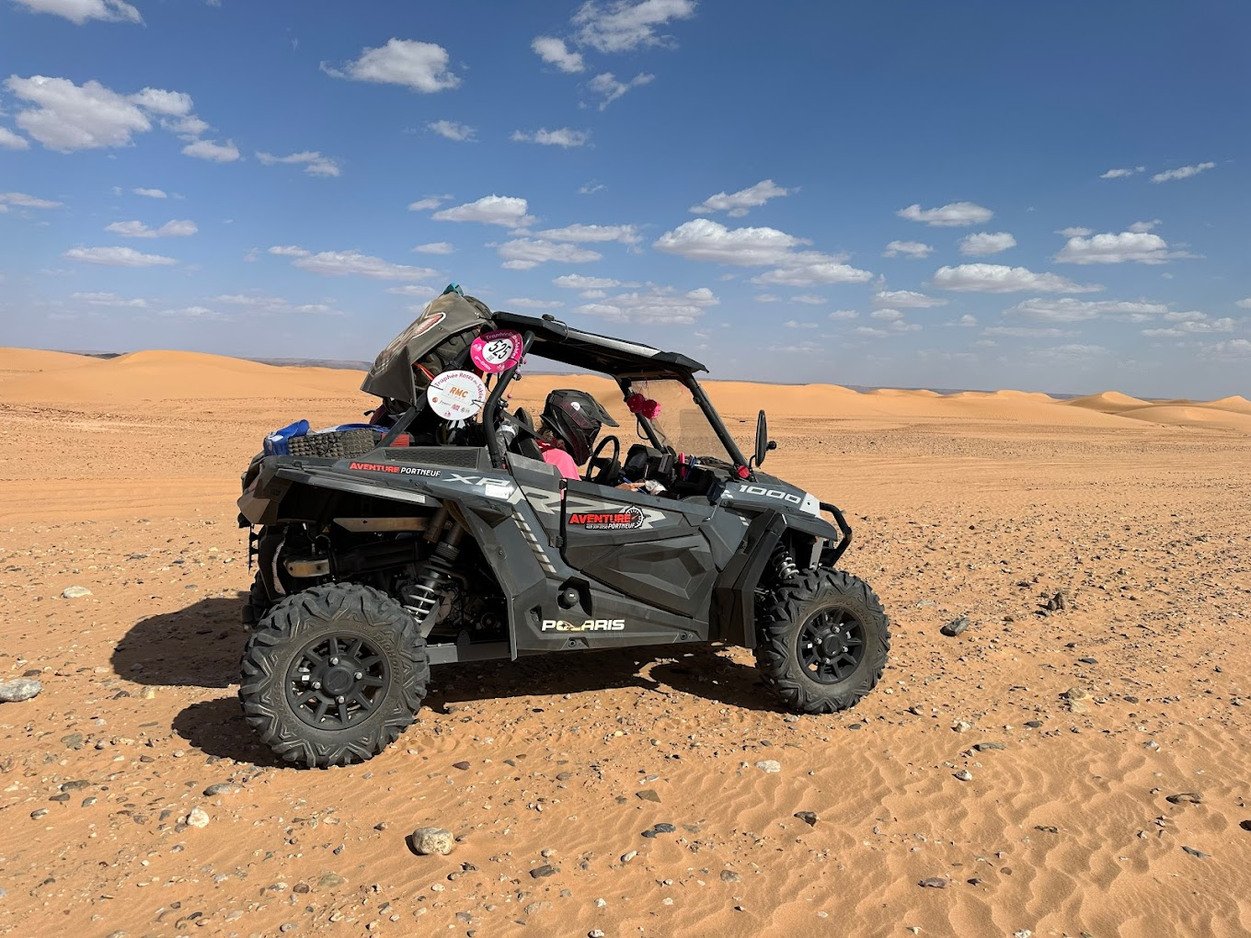
6-Day Morocco Family Guided Adventure Tour
A guided 6-day family adventure from Marrakech combining sunrise hot-air ballooning, Atlas Mountains hiking, Todra Gorge rock climbing, Sahara camel trekking, luxury desert camping, and UNESCO kasbahs.
Morocco for Women Guided Tour: Marrakech, Essaouira & Fes
Connect with other women travelers on a guided journey through Marrakech, Essaouira, and Fes, with women-centered cultural experiences, local artisans, and Moroccan traditions.
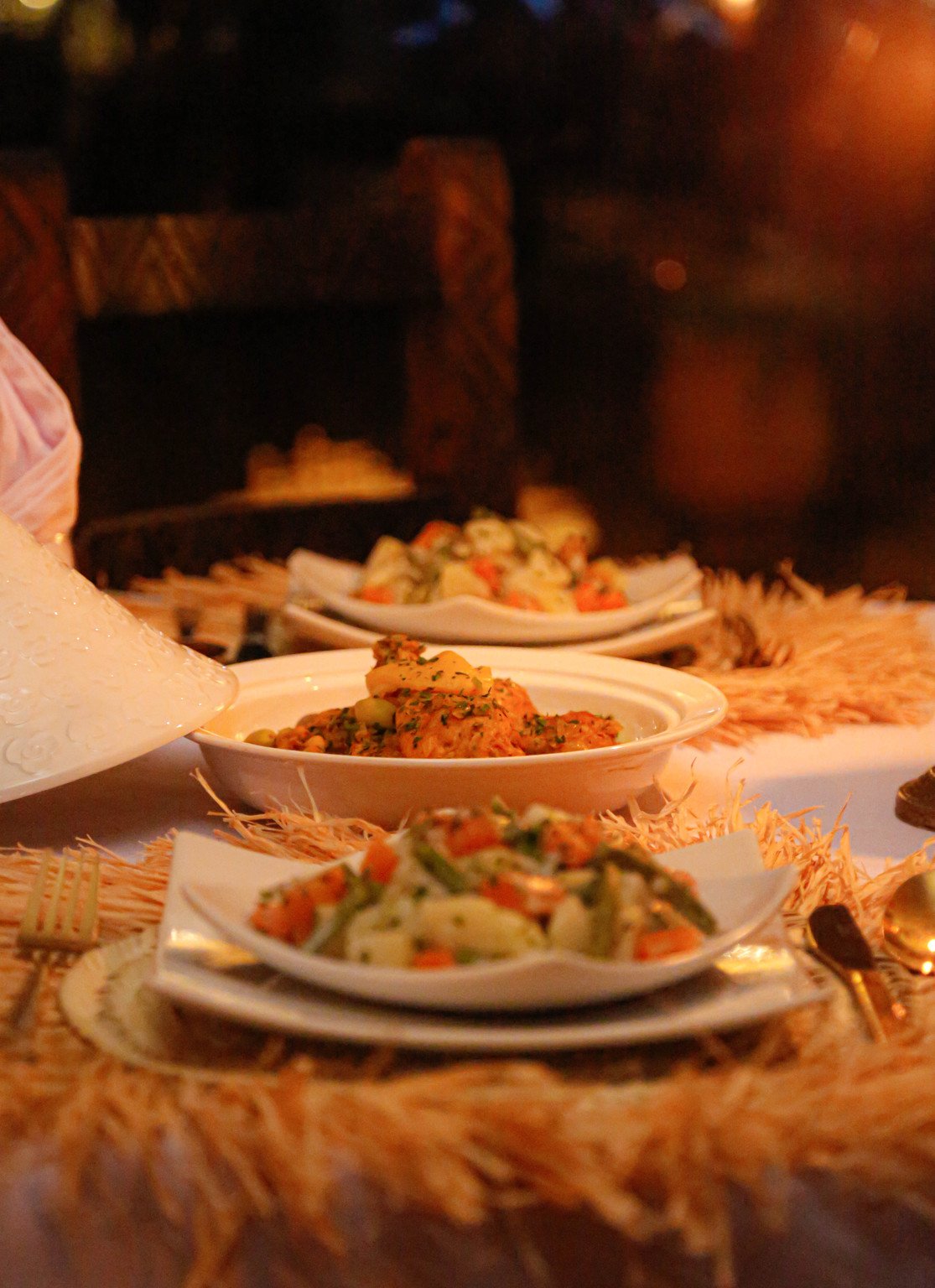
Food of Morocco Guided Tour: Marrakech, Fes & the Atlas Mountains
Taste Morocco’s culinary traditions on a guided food tour through Marrakech, Fes & the Atlas Mountains. Explore souks, cooking classes, tea rituals, village kitchens, and more.
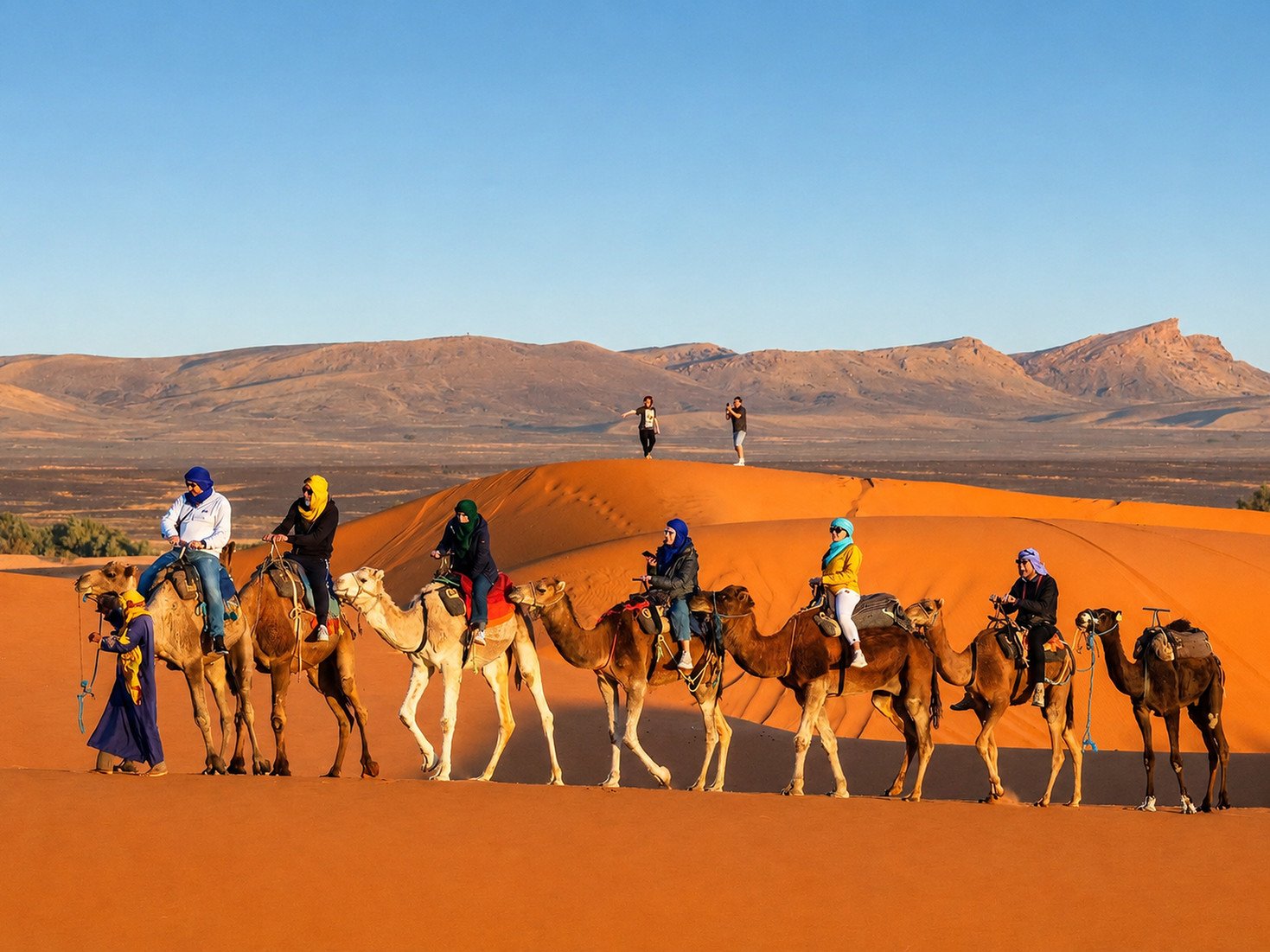
Marrakech & Southern Morocco Guided Tour: Ouarzazate, Merzouga & Zagora
Cross mountain passes, kasbah country, palm-filled valleys, and the dunes of the Sahara.
A Week in Marrakech Guided Tour: From the Atlas Mountains to Essaouira
Base in the Red City for a week of palaces, gardens, souks, and day trips to the Atlas Mountains and Essaouira.
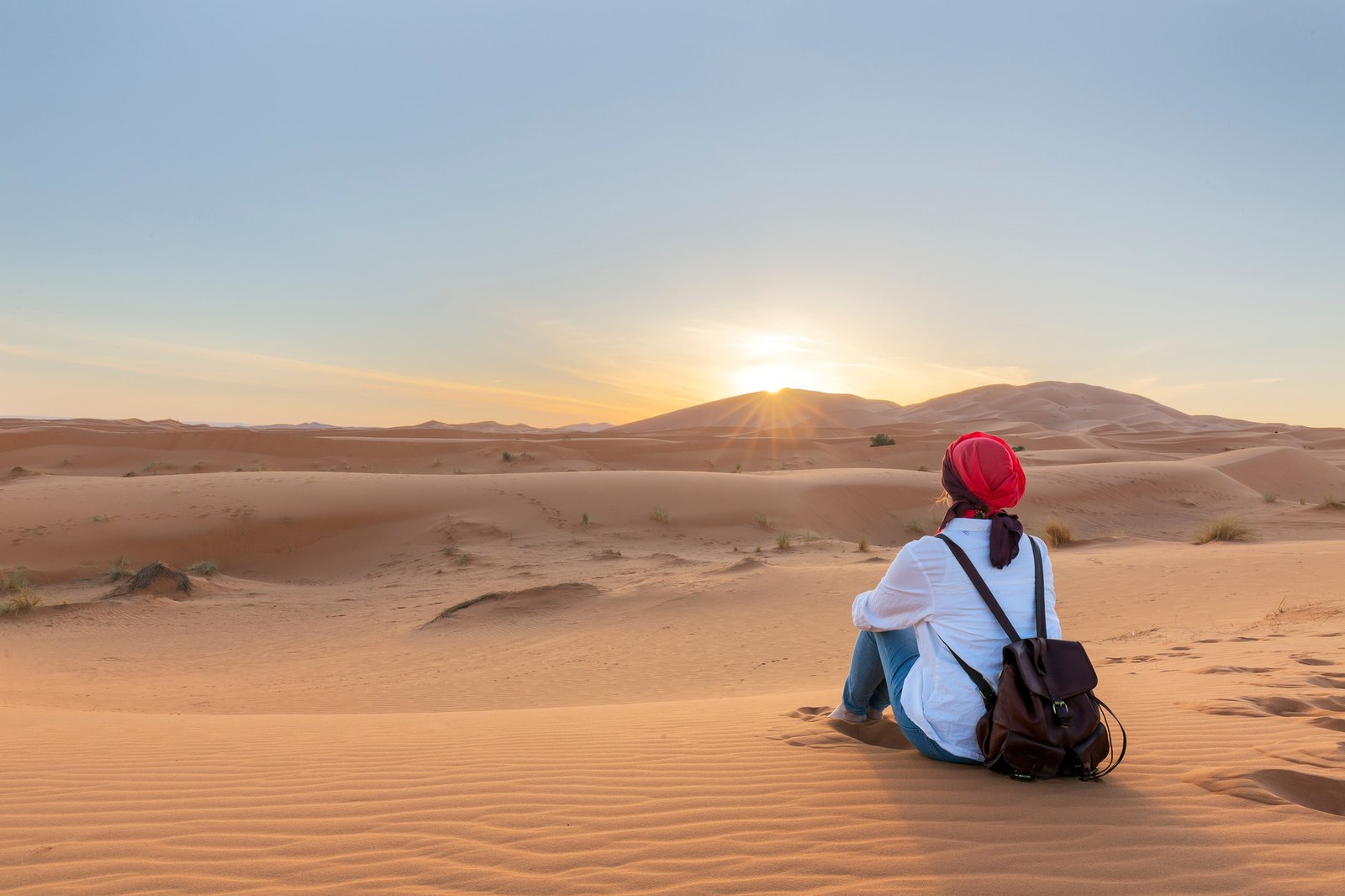
Morocco for Solo Travelers Guided Tour: Marrakech, the Sahara & Fes
Explore Marrakech, cross the Atlas Mountains, experience the Sahara, and discover Fes on a small guided group journey created for solo travelers.
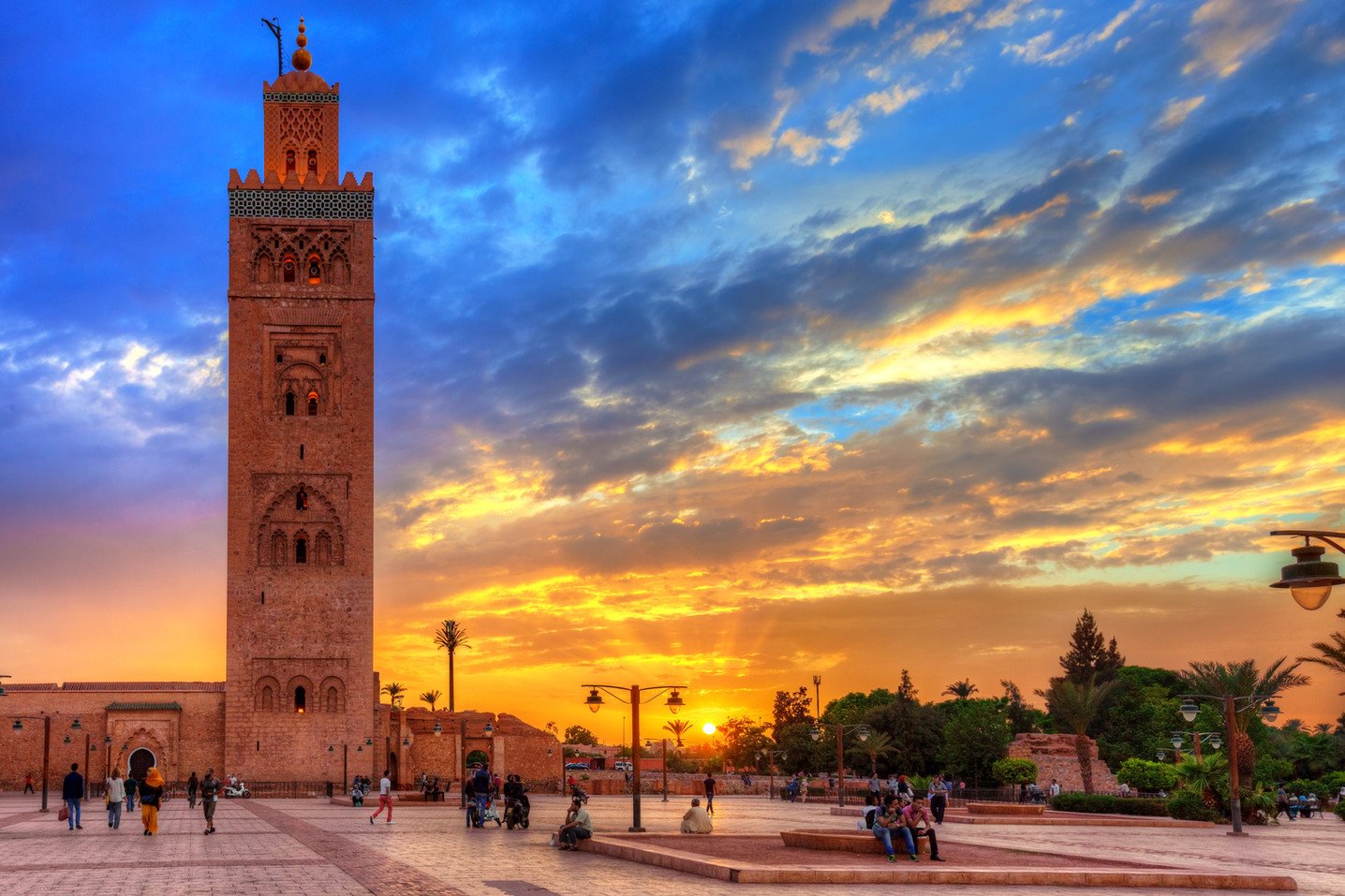
Morocco Guided Tour: Marrakech, the Atlas Mountains & Casablanca
Discover Marrakech, the High Atlas Mountains & Casablanca on a locally guided Morocco tour filled with medinas, mountain villages, Moroccan cuisine, and Atlantic-coast culture.
Guided Tours Visiting Marrakech

7-Day Morocco Imperial Cities Guided Tour
Discover Morocco’s imperial cities on a 7-day journey beginning and ending in Casablanca.

10-Day Morocco Grand Guided Tour
The ultimate guided 10-day journey from Casablanca to Marrakech via Chefchaouen, Fes, Merzouga Sahara, and High Atlas.

14-Day Ultimate Morocco Guided Grand Discovery
An extraordinary 14-day guided grand journey from Tangier to Marrakech via Chefchaouen, Fes, Merzouga Sahara, Ait Ben Haddou, and Essaouira.
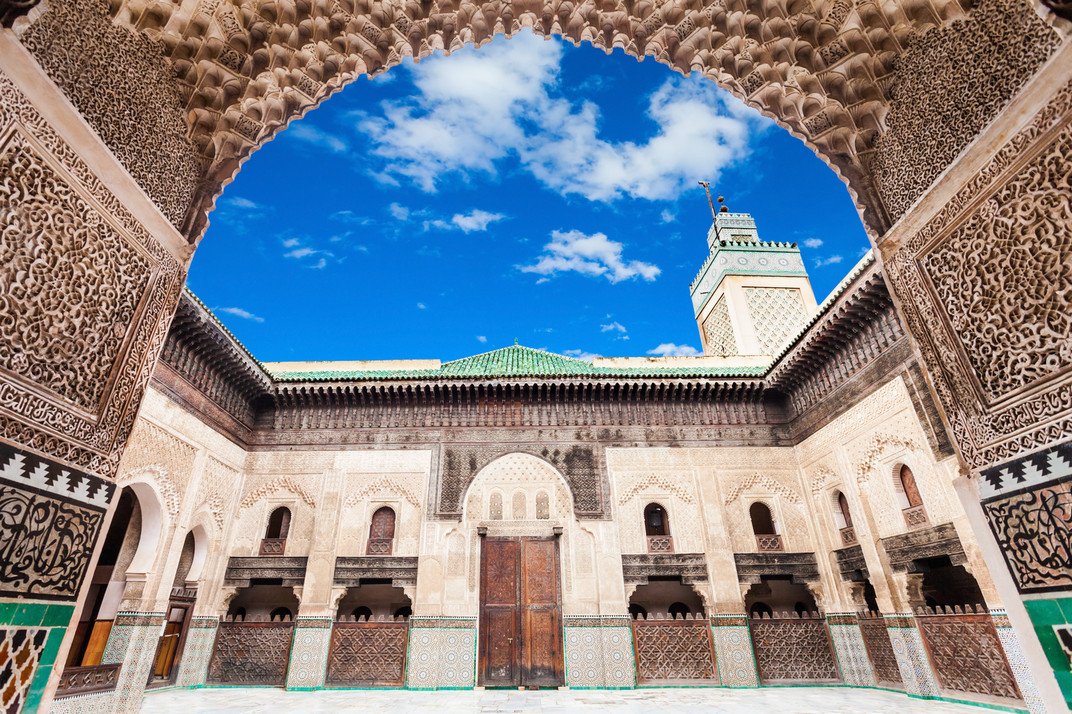
Spain & Morocco Guided Tour: Seville to Marrakech
Explore Andalusia and Morocco on a 14-day guided tour from Seville to Marrakech via Córdoba, Granada, Tangier, Chefchaouen, Fes, Rabat, and Casablanca.
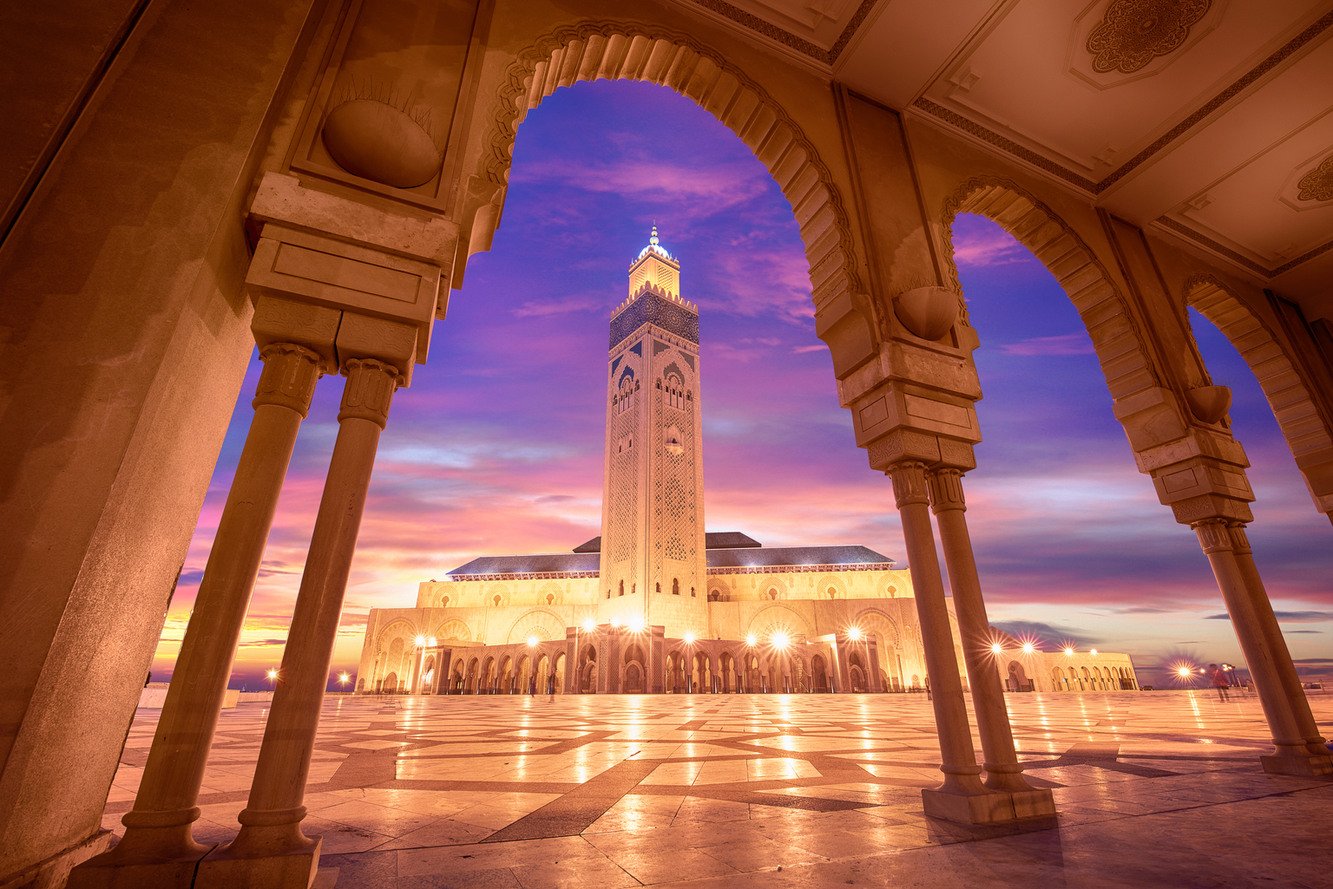
Highlights of Morocco Guided Tour: Casablanca to Marrakech
Discover Morocco from Casablanca to Marrakech on a guided journey through imperial cities, ancient medinas, Atlas landscapes, artisan quarters, and celebrated cultural landmarks.
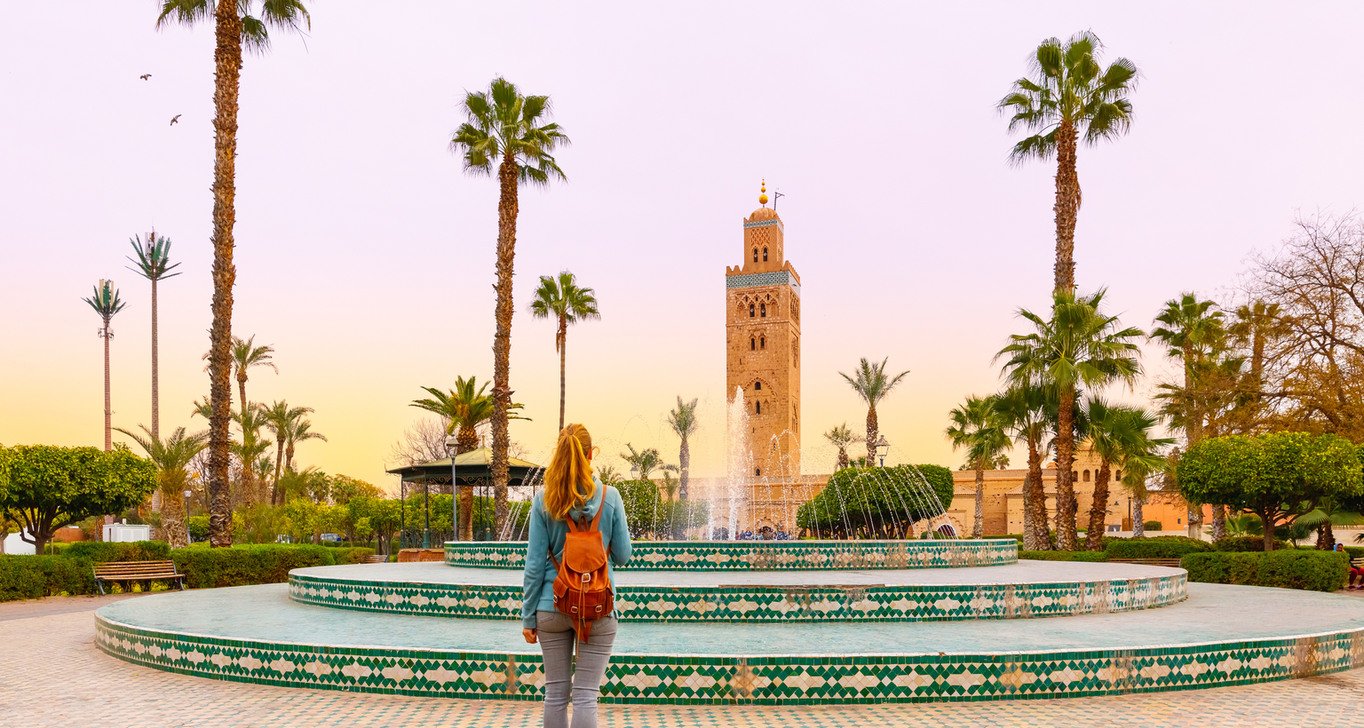
Springtime in Morocco Guided Tour: Casablanca to Marrakech
On this guided Morocco tour, experience spring from Casablanca to Marrakech through imperial cities, medinas, mountain landscapes, gardens, and waterfalls. View itinerary!
Plan Your Marrakech Journey
Whether you want a 3-day imperial city escape, a private medina tour with an expert guide, or a custom journey connecting Marrakech with the Sahara Desert, our local specialists will craft your perfect itinerary.