Morocco Guided Tour: Marrakech, the Atlas Mountains & Casablanca
No payment required — send us your travel request.
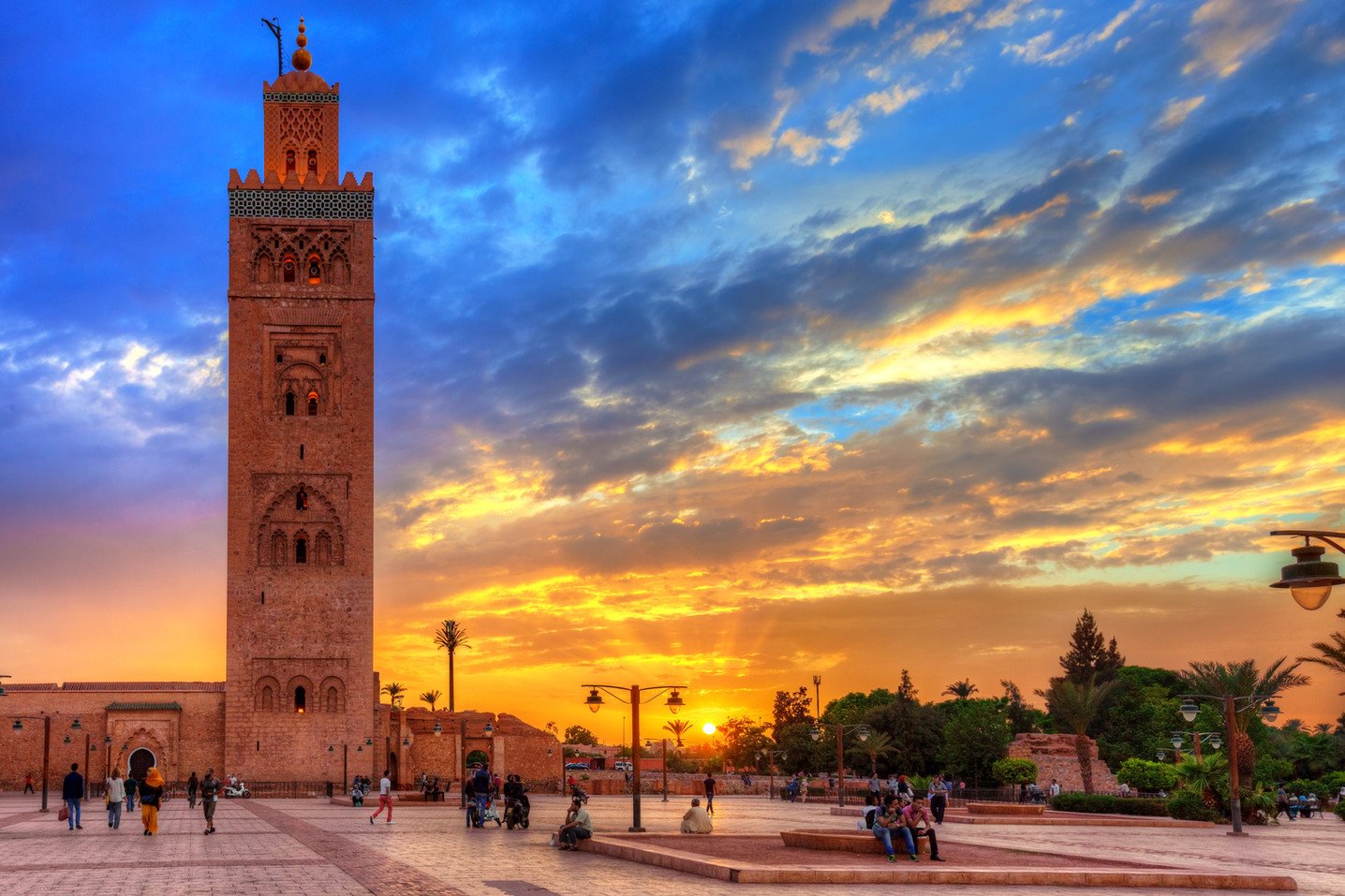
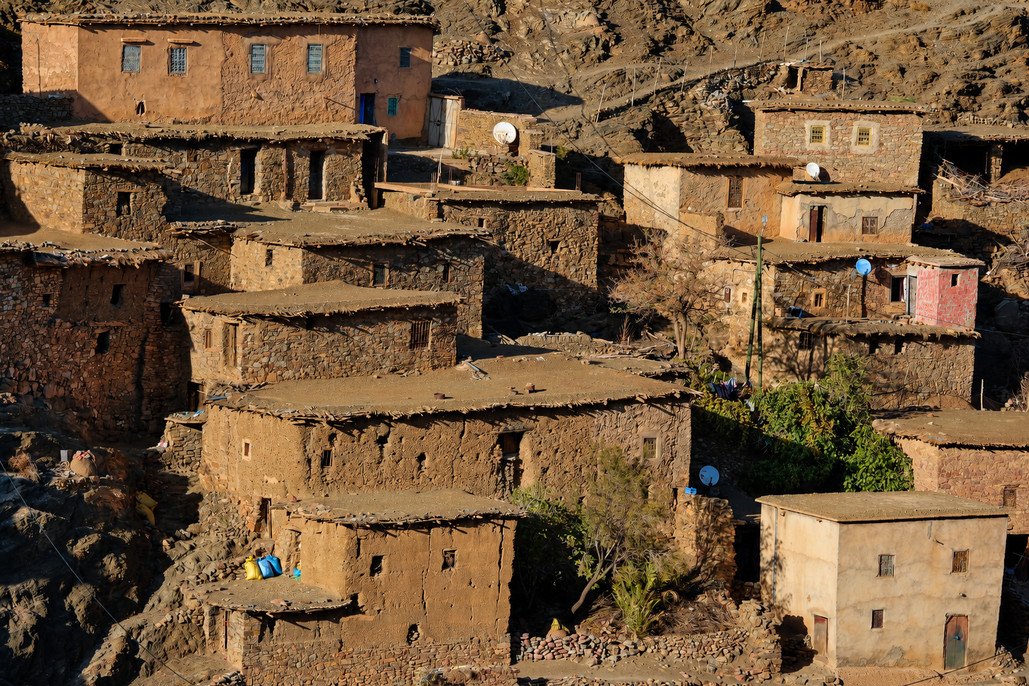
Experience Morocco through vibrant medinas, High Atlas landscapes, and the Atlantic energy of Casablanca.
Morocco rewards travelers who slow down and look closely. In Marrakech, centuries-old palaces, spice-scented souks, artisan workshops, and the nightly spectacle of Jemaa el-Fnaa reveal the rhythm of the old city. Beyond the ochre walls, the Atlas Mountains offer a different pace: terraced valleys, Amazigh villages, and trails framed by dramatic peaks. Your journey then turns north to Casablanca, where monumental architecture and oceanfront neighborhoods show a more modern side of the country. With Morocco Guided Tours, local guides add context at every stop and help connect the landscapes, traditions, food, and everyday life that make each region distinct.
For travelers who prefer an itinerary traveling south from Casablanca to Marrakech via the northern imperial cities, explore our classic Highlights of Morocco tour.
Why You'll Love This Tour
- Jemaa el-Fnaa
- Marrakech medina & souks
- Bahia Palace
- Koutoubia Mosque exterior & gardens
- Ben Youssef Madrasa
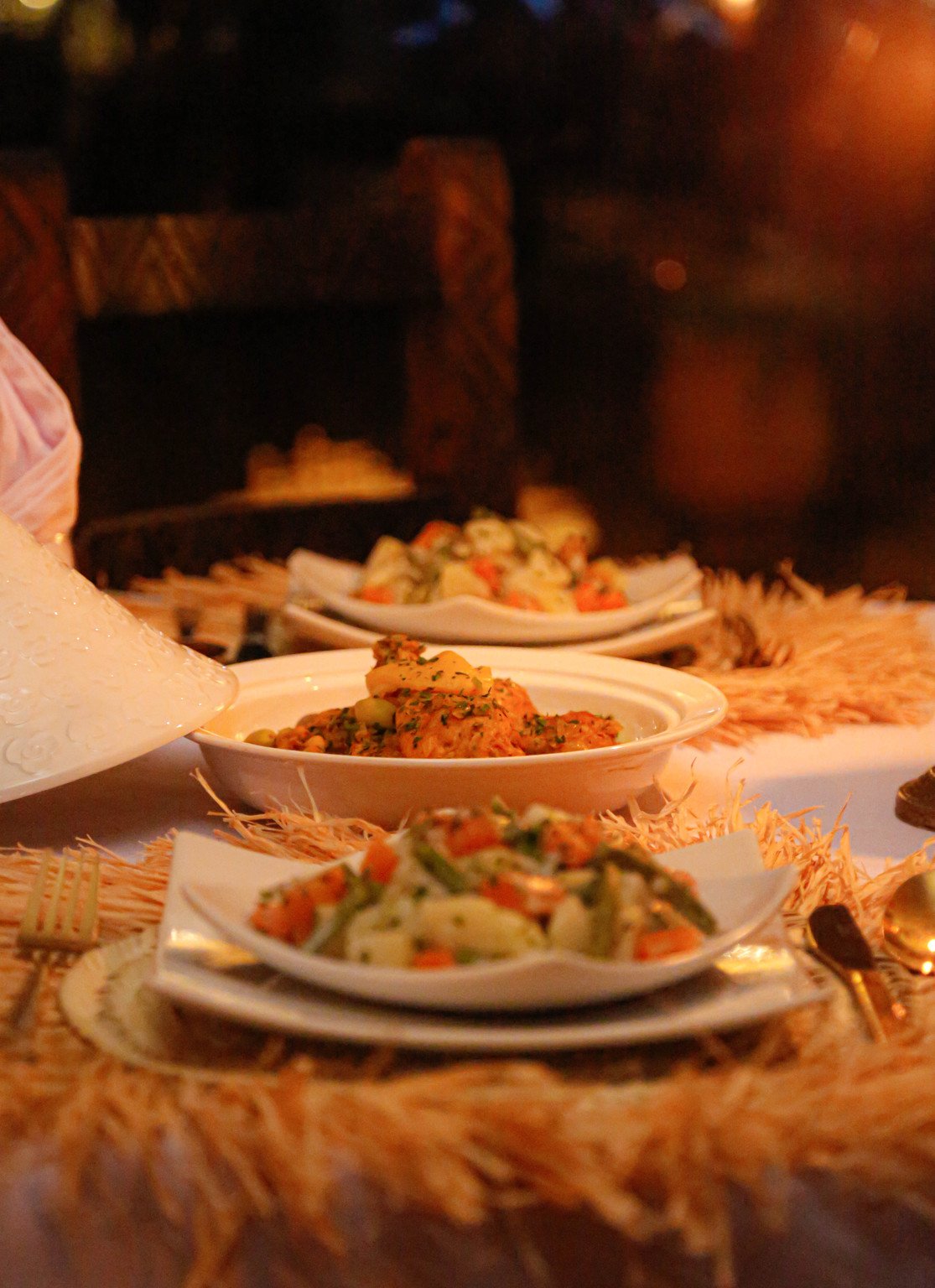
- Moroccan cooking class
- High Atlas Mountains
- Imlil Valley & Amazigh villages
- Traditional mountain lunch
- Hassan II Mosque guided visit
- Habous Quarter
- Casablanca Corniche
Detailed Itinerary
Day 1: Welcome to Marrakech & Medina Orientation
Day 2: Sightseeing Tour of Marrakech
Day 3: Ben Youssef Madrasa & Moroccan Cooking Class
Day 4: High Atlas Mountains via Tahanaout & Mountain Villages
Day 5: Imlil Valley Hike & Amazigh Cultural Experience
Day 6: Casablanca via the Moroccan Countryside
Day 7: Sightseeing Tour of Casablanca
Day 8: Free Day in Casablanca
Day 9: Tour Concludes in Casablanca
Tour Inclusions
- ✓8 nights in handpicked hotels, riads, and a mountain lodge
- ✓8 breakfasts, 2 lunches, 4 dinners
- ✓1 Moroccan cooking class
- ✓1 traditional mint tea experience
- ✓6 guided sightseeing and cultural experiences
- ✓Expert Morocco Guided Tours Tour Director & local guides
- ✓Private air-conditioned motor coach or minibus for included intercity transportation
- ✓Guided High Atlas village walk and mountain hike
Not Included
- ✕International flights and airport transfers (unless requested)
- ✕Optional experiences (Agafay Sunset & Dinner, Rabat Day Trip)
- ✕Meals not specified in the itinerary (6 lunches, 4 dinners)
- ✕Travel and medical insurance
- ✕Personal expenses, souvenirs, and drinks
- ✕Customary tips for Tour Director, local guides, and drivers
Important Tour Notes
Passport, Visa & Entry Requirements
Visa requirements depend on your nationality. Travelers should verify the rules that apply to their passport before the tour begins. For organized tourism, Morocco’s National Tourist Office advises travelers to hold a valid passport covering at least the duration of the stay. The standard maximum duration of a tourist stay is 90 days unless a different rule applies to your nationality or status. Entry rules can change. Check the Moroccan National Tourist Office, the Moroccan consulate serving your country, or the official Acces Maroc portal for the latest requirements before travel.
Tour Start & End Information
The guided program begins at the designated Morocco Guided Tours hotel or meeting point in Marrakech on Day 1. The guided program concludes in Casablanca on Day 9 after breakfast. Final meeting times, hotel names, and local contact details will be supplied with your confirmed tour documents.
Physical Activity Level & Tour Pacing
This is a moderate-to-high activity tour. City sightseeing involves sustained walking, while the High Atlas portion includes a guided hike on uneven mountain terrain. This is a comfortably paced multi-region itinerary with several full sightseeing days and two changes of accommodation: three nights in Marrakech, two nights in the High Atlas Mountains, and three nights in Casablanca, with intercity travel by private motor coach or minibus and free time in both Marrakech and Casablanca.
Walking, Terrain & Physical Requirements
Travelers should be prepared to walk roughly 2-4 miles on active sightseeing days, with additional distance on the High Atlas hiking day depending on the selected route. Marrakech medina walking can include narrow lanes, crowds, cobblestones, uneven paving, thresholds, and stairs. High Atlas walks can include loose stone, packed earth, inclines, steps, and sections without handrails. Travelers should be comfortable getting in and out of a touring vehicle and carrying their own day bag. Optional experiences can increase the total amount of walking and standing.
Climate Considerations
Morocco has varied climates. Marrakech is generally drier and can be very hot in summer, while winter mornings and evenings can feel cool. Temperatures in the High Atlas can be substantially lower than in Marrakech, especially early and late in the day; mountain weather may change quickly. Casablanca has a milder Atlantic-influenced climate, but wind and cool evenings are possible throughout much of the year. Sun protection and regular hydration are important.
Physical Activity & Tour Pace Questions
Morocco Guided Tours guides are responsible for the safety and smooth operation of the whole group and may not be able to provide continuous one-to-one mobility assistance. Mountain routes may be shortened, rerouted, or replaced if weather, trail conditions, or group safety require a change. Wheelchairs and walkers can be difficult to use in medina lanes and on mountain trails. Travelers with mobility concerns should discuss their needs with Morocco Guided Tours before confirming the itinerary.
Transportation & Baggage Allowance
Included intercity transportation is by private air-conditioned motor coach or minibus, sized to the group. Road conditions are generally good on major routes, but mountain roads can be narrow and winding and city traffic can be slow. Some historic medina areas are pedestrian-only; short walks between the vehicle and your riad may be required. Because storage space in touring vehicles can be limited, we recommend one medium suitcase plus one small day bag per traveler. Porterage is not guaranteed at every hotel or riad.
Clothing & Packing Tips
Pack lightweight, breathable clothing that can be layered, plus a warmer layer for High Atlas mornings and evenings. Bring sturdy, broken-in walking shoes with good traction for medina streets and mountain paths. Sun hat, sunglasses, sunscreen, and a reusable water bottle are strongly recommended. Modest clothing covering shoulders and knees is a respectful choice for religious sites and traditional neighborhoods. For the Hassan II Mosque visit, clothing should cover shoulders and torso and extend below the knees; shoes are removed before entering the prayer hall.
Hotels, Riads & Mountain Lodges
Morocco Guided Tours selects accommodations for a balance of comfort, character, and location: Marrakech stays may include a riad-style property, the High Atlas stay is typically in a mountain lodge or guesthouse, and Casablanca accommodations are generally modern city hotels. Historic riads often have interior courtyards, narrow staircases, and no elevator. Wi-Fi is widely available at city hotels and many riads, but speed and coverage can be more limited in mountain areas. Morocco uses 220V electricity with Type C and Type E sockets.
Religious Sites & Cultural Etiquette
Dress modestly when visiting religious sites and follow instructions from your local guide. Access for non-Muslim visitors is restricted at many mosques in Morocco; the Hassan II Mosque in Casablanca offers scheduled guided visits with specific visitor rules (remove shoes, keep voices low, remain with group). During Ramadan, schedules and routines can change. Always ask permission before photographing people closely, especially artisans, vendors, and residents in rural communities.
Optional Experiences
Optional experiences (such as the Agafay Sunset & Dinner Experience or Rabat Imperial Capital Day Trip) are subject to availability, local operating conditions, and minimum participation requirements. Book popular experiences in advance when possible. If weather or unexpected site closures affect an optional experience, Morocco Guided Tours will advise you of available alternatives.
Health, Meals, Tipping & Currency
Check destination-specific health guidance, bring labeled prescription medications, and stay hydrated during High Atlas hikes. This tour includes 8 breakfasts, 2 lunches, and 4 dinners (welcome dinner & farewell dinner). Moroccan cuisine features tagine, couscous, harira, pastilla, grilled meats, and fresh salads; mint tea is central to hospitality. Tipping is customary for guides, drivers, and service providers (cash in MAD is preferred). ATMs are widely available in major cities.
Mobile, Wi-Fi, Tour Director, Support & Time Zones
Wi-Fi is available in most city hotels and riads (weaker in mountain areas). A Morocco Guided Tours Tour Director coordinates the journey, joined by licensed local and mountain guides. Morocco generally observes GMT+1 (which may adjust around Ramadan). Keep Morocco Guided Tours contact information accessible throughout the trip.
Responsible Travel
Support locally owned restaurants, cooperatives, guides, and artisan workshops. Bargain respectfully in souks. Ask before photographing people. Reduce single-use plastic with a reusable bottle. In the High Atlas, stay on established trails, follow your mountain guide, and leave natural and cultural sites as you found them. Conserve water and approach cultural differences with curiosity and respect.
Frequently Asked Questions
Practical Tour Details
Accommodation Notes
8 nights in handpicked accommodations: 3 nights in Marrakech (hotel or riad), 2 nights in the High Atlas Mountains (mountain lodge or guesthouse), and 3 nights in Casablanca (modern city hotel).
Transportation & Driver
Private air-conditioned motor coach or minibus for all included intercity travel connecting Marrakech, High Atlas Mountains, and Casablanca.
Pickup & Drop-off
Tour begins at designated Marrakech hotel on Day 1 (orientation walk & welcome dinner) and concludes in Casablanca after breakfast on Day 9.
What to Bring
Valid passport covering the duration of your stay in Morocco, Sturdy, broken-in walking shoes or trail sneakers with good traction for medinas and mountain trails, Comfortable lightweight layers and modest clothing covering shoulders and knees, Warm fleece or sweater for cooler High Atlas mornings and evenings, Sun hat, sunglasses, and high-protection sunscreen, Reusable water bottle and small personal daypack, Light scarf or shawl for sun, wind, and religious sites, Universal power adapter (Type C/E plug, 220V)
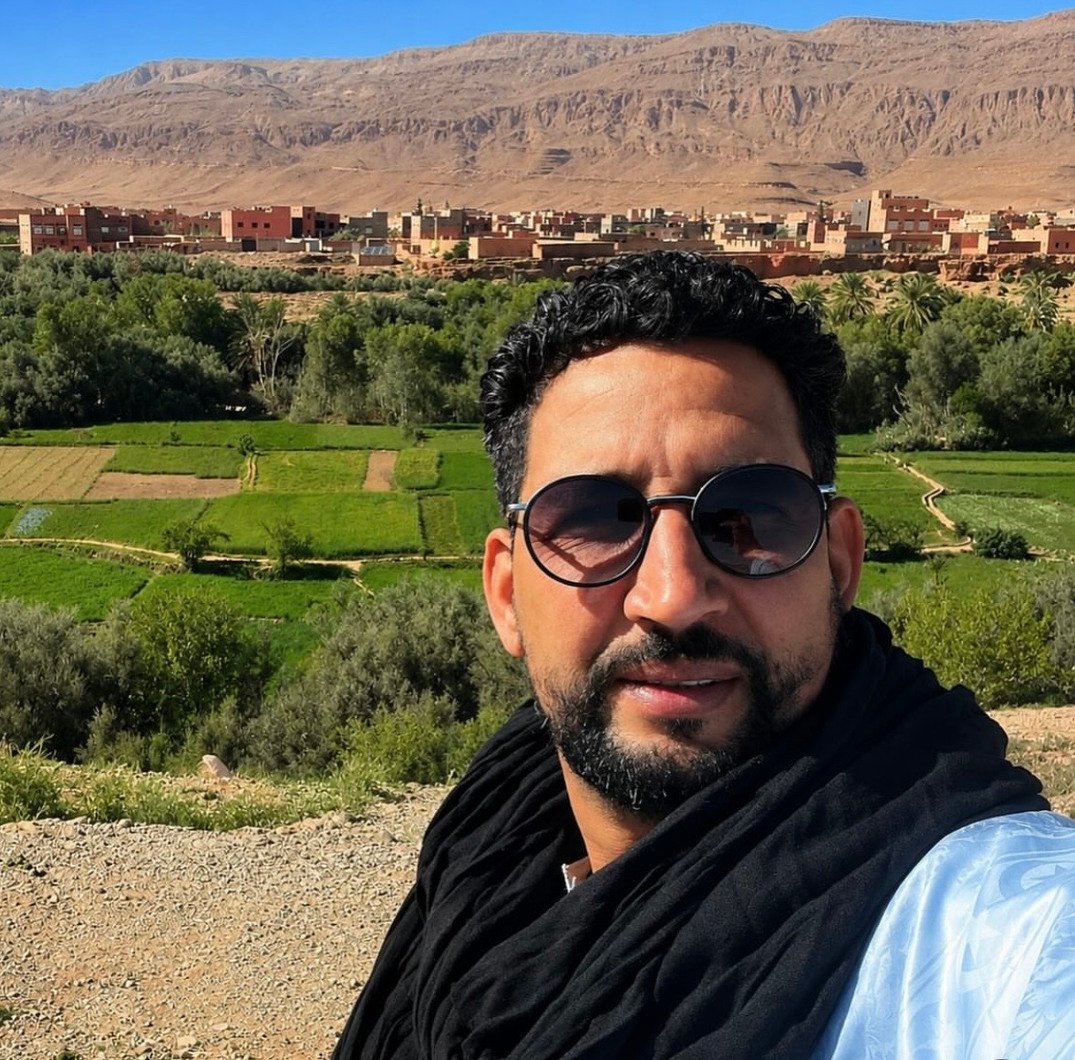
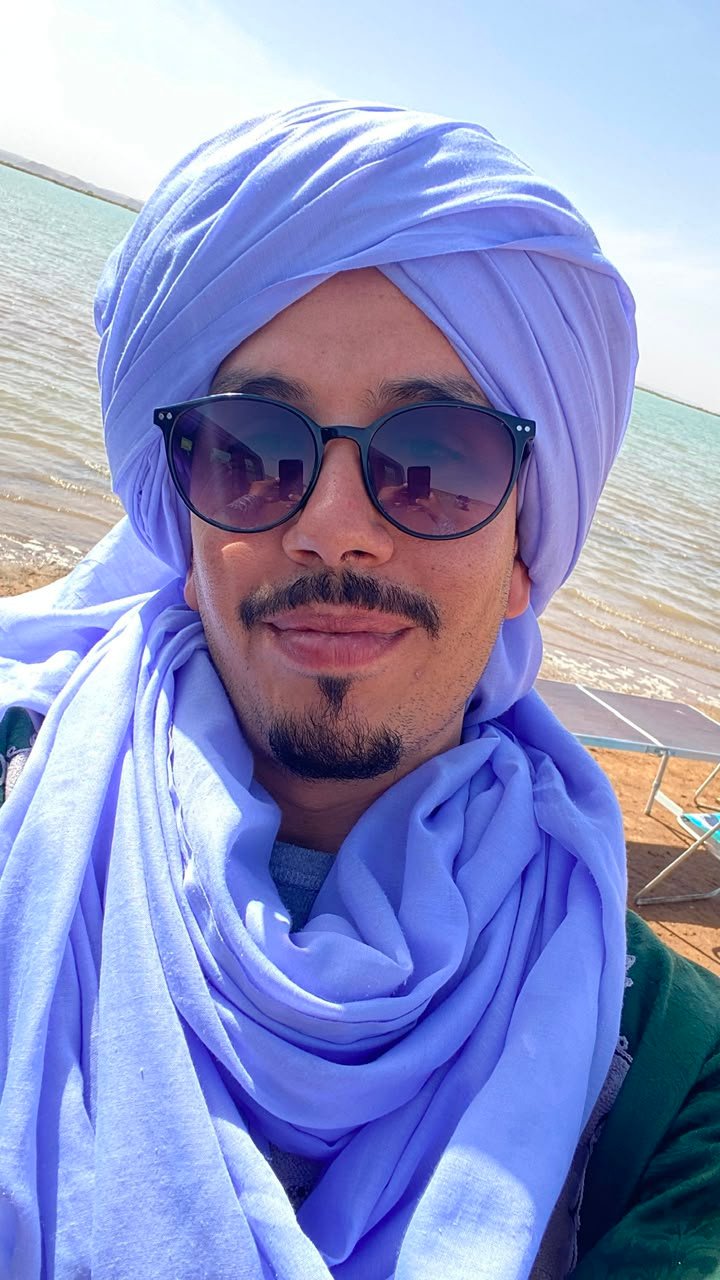
Specialist Local Guides for This Tour
Private tour pricing available on request.
Guided Tour • Private & Shared Options • Flexible Pacing
Displayed starting prices are per person for shared tours. Contact us to confirm availability and the final price for your preferred date and tour format.
Want to modify or personalize this route?
Customize This TripYou Might Also Like
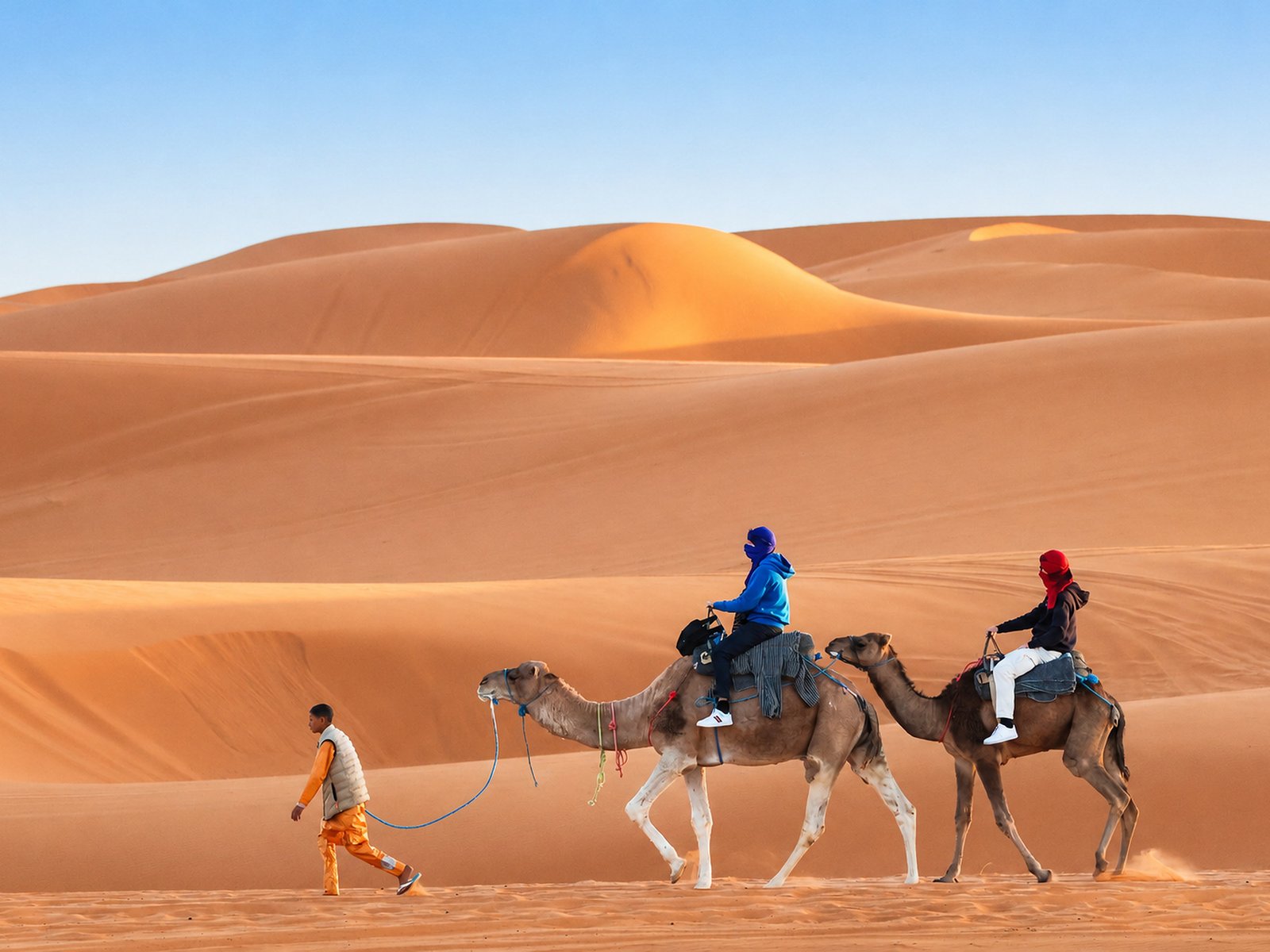
3-Day Marrakech to Merzouga Guided Desert Tour
Cross the High Atlas Mountains, explore ancient kasbahs, and sleep under the Saharan stars.

4-Day Fes to Merzouga Guided Desert Tour
Roundtrip guided desert journey from Fes through the Middle Atlas, Ziz Valley, and Erg Chebbi dunes.

7-Day Morocco Imperial Cities Guided Tour
Discover Morocco’s imperial cities on a 7-day journey beginning and ending in Casablanca.