High Atlas Mountains
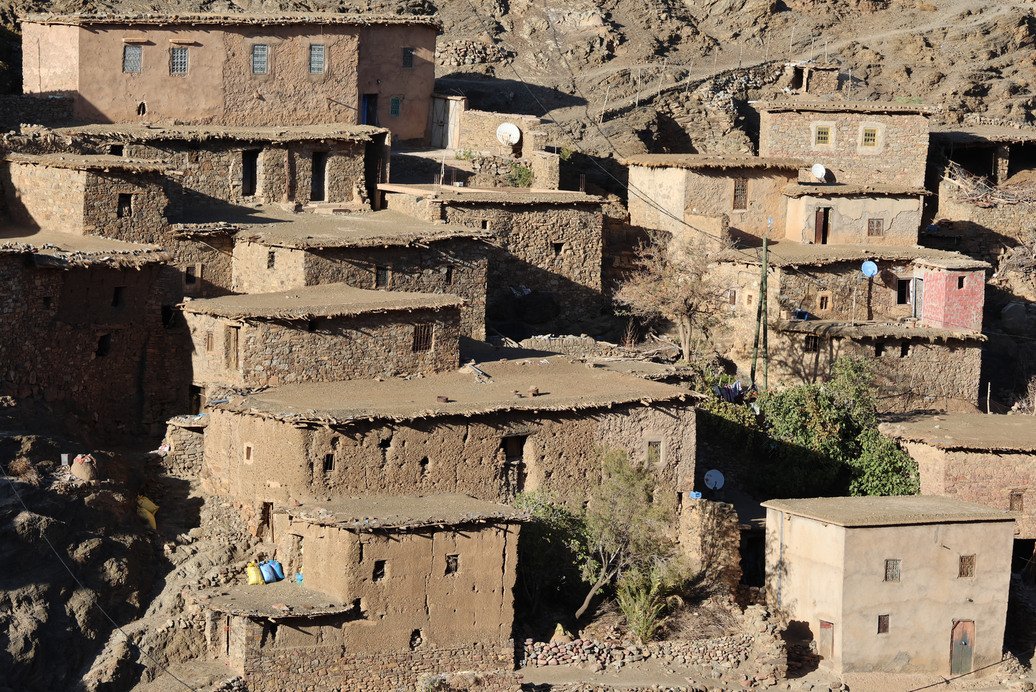
Stretching for more than 750 kilometers across Morocco, the High Atlas is the country’s great mountain backbone, crowned by Jebel Toubkal at 4,167 meters and filled with ancient Amazigh villages, walnut orchards, and world-class trekking trails.
Why Go to the High Atlas Mountains
Stretching for more than 750 kilometers across Morocco, the High Atlas is the country's great mountain backbone and is often described as the “roof of Morocco.” Its highest summit, Jebel Toubkal, rises to 4,167 meters (13,671 feet), making it the highest mountain in North Africa. The range separates Morocco's Atlantic regions from the drier landscapes toward the Sahara and contains an extraordinary mixture of rocky summits, fertile valleys, terraced fields and Amazigh villages.
For many travelers, Imlil is the best-known gateway. Sitting below the Toubkal massif, it provides access to short village walks, multi-day treks and the route toward the summit of Toubkal. Toubkal National Park lies between the N'Fiss and Ourika valleys and protects a large area of mountain landscapes and biodiversity close to Marrakech.
But the High Atlas extends far beyond Toubkal. Ouirgane offers gentler walking through forested foothills, the Ourika Valley provides one of the easiest mountain escapes from Marrakech, and Oukaïmeden combines high-altitude scenery with hiking and seasonal winter sports. Farther east, Aït Bouguemez, often nicknamed the “Happy Valley,” is surrounded by high cultivated plateaus and the M'Goun massif, whose summit exceeds 4,070 meters.
The High Atlas is therefore not a single attraction. It is a region to experience slowly—on foot, through mountain villages, over high passes and around orchards and valleys that have supported Amazigh communities for generations.
Best of the High Atlas Mountains
Best Places to Stay
Accommodation ranges from simple village guesthouses and trekking refuges to some of Morocco's most distinctive mountain retreats. These are notable established choices rather than an official ranking:
Kasbah du Toubkal – Imlil
An iconic mountain lodge perched at 1,820 meters above Imlil, reached by a 15-minute uphill walk and offering panoramic views of Mount Toubkal and the valley.
Kasbah Tamadot – near Asni
A world-class luxury retreat nestled in the foothills near Asni, featuring tranquil garden courtyards, heated infinity pools, and traditional Berber tented suites.
Touda Ecolodge – Aït Bouguemez
An authentic eco-friendly lodge located deep in the "Happy Valley" of Aït Bouguemez, designed as a peaceful base for exploring the central High Atlas.
Domaine de la Roseraie – Ouirgane
A sprawling mountain domain set within 60 acres of rose gardens and olive groves in Ouirgane, offering horseback riding, a spa, and garden dining.
Domaine Malika – Ouirgane
A stylish boutique boutique property blending modernist design with Moroccan architecture, set amidst pine-scented hills and mountain vistas.
Ouirgane Ecolodge
A welcoming traditional mountain guesthouse with eco-conscious practices, homemade regional cooking, and direct access to gentle valley trailheads.
Riad Jnane Imlil
A charming, family-run riad in Imlil with riverbank gardens, comfortable rooms, and warm Berber hospitality beneath the high peaks.
Atlas Prestige – Imlil
A scenic village retreat in Armed hamlet above Imlil, featuring panoramic rooftop terraces overlooking the Toubkal massif.
Dar Adrar – Imlil
A well-established trekker guesthouse founded by a local mountain guide, offering cozy fireplace evenings, gear rentals, and trekking logistics.
Riad Atlas Toubkal – Imlil
A comfortable mountain property offering spacious family rooms, traditional Moroccan cuisine, and direct access to national park trails.
Kasbah du Toubkal sits at about 1,820 meters above Imlil and is reached by a roughly 15-minute uphill walk from the village, while Kasbah Tamadot provides a luxury foothill option near Asni. Touda Ecolodge is located deep in Aït Bouguemez and is designed as a base for exploring the central High Atlas.
Smaller Imlil properties including Riad Jnane Imlil, Atlas Prestige, Dar Adrar and Riad Atlas Toubkal are also currently operating, while the Ouirgane area has established retreats including Domaine de la Roseraie, Domaine Malika and Ouirgane Ecolodge.
Best Things to Do in the High Atlas Mountains
Morocco's tourism office specifically promotes hiking around Aït Bouguemez, Imlil and Toubkal National Park, while Oukaïmeden is associated with mountain hiking, winter sports and prehistoric rock carvings.
Trek from Imlil through Toubkal National Park
Hike through terraced walnut groves, alpine valleys, and traditional stone villages with dramatic views of North Africa’s highest peaks.
Climb Jebel Toubkal
Summit the highest peak in North Africa at 4,167 meters (13,671 feet) on a rewarding 2- or 3-day guided mountain trek.
Walk between the villages surrounding Imlil
Enjoy accessible day walks connecting Armed, Aroumd, Mzik, and Tamatert along ancient mule paths and irrigation channels.
Explore the forests and valleys around Ouirgane
Discover gentler hiking terrain, ancient salt mines, red-clay foothills, and olive groves in the mild Ouirgane valley.
Visit the Ourika Valley and Setti Fatma
Take a scenic day trip from Marrakech along the Ourika River to explore riverside cafes and scramble up to the seven waterfalls of Setti Fatma.
Hike around Oukaïmeden
Explore high-altitude summer trails above 2,600 meters, discovering alpine flora, glacial meadows, and prehistoric Bronze Age rock carvings.
Experience seasonal snow sports at Oukaïmeden when conditions permit
Visit Africa’s highest ski resort, featuring seasonal ski lifts and winter snowscapes against the high ridges of the Atlas range.
Spend several days in Aït Bouguemez
Immerse yourself in the idyllic "Happy Valley" among vibrant green barley fields, ancient fortified granaries (agadir), and pyramid-shaped peaks.
Trek around the M'Goun massif
Embark on a remote wilderness trek across high limestone plateaus, deep river gorges, and the 4,071-meter summit of Jebel M’Goun.
Stay in an Amazigh village guesthouse and experience rural mountain life
Share freshly baked bread, mint tea, and slow-cooked tagines with a local Berber host family while supporting sustainable community tourism.
High Atlas Mountains Travel Tips
Best Months to Visit
The best time depends strongly on altitude and the activity you are planning.
For ordinary trekking around Imlil, Ouirgane and Aït Bouguemez, April through June and September through October are generally the most comfortable periods. Spring brings greener valleys and flowering orchards, while autumn usually offers clear conditions and comfortable hiking temperatures. Consult our detailed guide on the Best Time to Visit Morocco for regional comparisons.
July and August can work well at higher elevations, although lower valleys and exposed trails can become hot. Imlil itself is considerably cooler than Marrakech because of its altitude.
Winter transforms the higher High Atlas. Snow and ice can affect Toubkal, high passes and mountain roads, turning what is a non-technical hiking route in warmer conditions into a winter mountaineering objective requiring appropriate experience and equipment. Oukaïmeden may offer skiing when snowfall is sufficient, but snow conditions vary from year to year.
For the Toubkal summit, late spring through autumn generally offers the easiest trekking conditions. Winter ascents should be treated as mountaineering rather than ordinary hiking.
Weather in the High Atlas
There is no single “High Atlas climate.” Conditions change dramatically with altitude, orientation and location. The following figures use Imlil as a high-elevation reference point, not Marrakech or the entire mountain range.
Average Temperature (°F)
Monthly average high and low temperatures in the Imlil high-elevation reference valley.
Average Precipitation (in)
Historical average monthly rainfall and snow equivalent in inches across the year.
| Month | Average High (°F) | Average Low (°F) | Precipitation (in) |
|---|---|---|---|
| Jan | 43° | 25° | 1.5 in |
| Feb | 45° | 25° | 1.9 in |
| Mar | 50° | 29° | 2.7 in |
| Apr | 56° | 33° | 2.5 in |
| May | 62° | 39° | 1.7 in |
| Jun | 71° | 46° | 0.7 in |
| Jul | 77° | 52° | 0.2 in |
| Aug | 74° | 51° | 0.6 in |
| Sep | 67° | 45° | 1.6 in |
| Oct | 58° | 39° | 2.2 in |
| Nov | 49° | 31° | 1.8 in |
| Dec | 46° | 28° | 1.3 in |
What You Need to Know
- Altitude matters. Toubkal reaches 4,167 meters, high enough for altitude sickness to be a genuine concern. UK travel guidance specifically identifies altitude sickness as a risk in parts of Morocco.
- Use a professional mountain guide. UK government guidance recommends hiring a professional guide when hiking in the Atlas Mountains. Current local Toubkal operators also report that licensed guides are required on the main summit route and checked at mountain checkpoints, so plan your climb accordingly and verify the arrangements locally.
- Do not judge mountain weather by Marrakech. A hot, sunny day in the city does not guarantee warm or stable weather at 2,000 to 4,000 meters.
- Carry layers. Sun, cold, wind and large temperature swings can all occur during the same trek. See our Packing List for Morocco for layered clothing recommendations.
- Take enough water and sun protection. Mountain sun can be intense even when the air feels cool. UK travel guidance specifically recommends water, sunscreen and suitable clothing.
- Expect limited connectivity. Remote valleys and trails may have inconsistent mobile coverage.
- Carry cash. Guesthouses, guides, muleteers and small mountain cafés may not accept cards.
- Itinerary planning: For advice on allocating mountain days within your total Moroccan trip, see How Many Days Do You Need in Morocco?
How to Save Money in the High Atlas
- Stay in village guesthouses. Family-run accommodation in Imlil and other valleys can be considerably cheaper than luxury mountain retreats.
- Use shared transport from Marrakech. Shared taxis, minibuses and locally arranged transfers can cost much less than private chauffeured excursions.
- Choose day hikes instead of expedition packages. Imlil, Ouirgane and Ourika all offer walks that do not require multi-day logistics.
- Travel with a small group when hiring a guide. Guide and transport costs can often be shared.
- Eat at your guesthouse. Many mountain lodges serve filling set meals, reducing the need to seek separate restaurants.
- Spend longer in one valley. Moving continuously between distant parts of the High Atlas quickly increases transport costs because the mountains cover an enormous area.
Culture & Customs
The High Atlas has a particularly strong Amazigh identity. Morocco's tourism authority notes that livestock farming and agriculture remain major economic activities across the range, while settlements are often surrounded by irrigated terraces, orchards and pasture.
In the Imlil Valley, for example, local agriculture includes walnut, cherry and apple orchards, alongside small-scale farming. In more remote valleys, livestock, cereals and terraced cultivation remain highly visible parts of everyday life.
Aït Bouguemez offers one of the best places to experience this rural culture. Morocco's tourism office emphasizes both the valley's cultivated landscapes and the hospitality of local residents, encouraging visitors to share mint tea and Moroccan pastries.
Arabic and Amazigh are Morocco's official languages, while local Amazigh languages are widely spoken across mountain communities. Darija and French are also useful in tourism.
Visitors should dress relatively modestly in rural villages and ask permission before photographing people. Hiking paths frequently pass through agricultural land and small settlements, so these areas should be treated as communities rather than simply scenery.
During Ramadan, many residents fast from dawn until sunset. Guesthouses serving tourists generally continue to provide food, but village shops and daily schedules may change.
What to Eat
Meals in the High Atlas tend to be simple, warming and filling—exactly what is needed after a day of walking.
Look for Amazigh-style couscous, tagines prepared with seasonal vegetables or meat, harira, lentils, Moroccan salads and freshly baked bread. Morocco's tourism office specifically highlights Amazigh couscous among the foods of the central High Atlas around Azilal.
Mountain guesthouses often serve dinner communally. A typical evening meal might begin with soup or salads, followed by a large tagine or couscous and fruit, with mint tea before or afterward.
Locally grown produce varies by valley. Around Imlil, walnuts, cherries and apples grow in the mountain orchards, while other areas produce almonds, olives and seasonal vegetables.
You may also encounter amlou, a rich Moroccan spread traditionally made with almonds, honey and argan oil, which makes an excellent high-energy breakfast or hiking snack.
Mint tea remains central to hospitality. Accepting a glass of tea in a guesthouse or village home is often as much a social experience as a refreshment.
Safety
The High Atlas requires more preparation than Morocco's cities because weather, altitude, terrain and distance from medical facilities can turn small problems into serious ones.
UK government travel advice recommends researching your route and required experience, carrying water, sunscreen and appropriate clothing, hiring a professional guide and ensuring that your insurance specifically covers your planned activities.
Altitude sickness is a real concern above roughly 2,500 meters and should not be dismissed simply because the standard Toubkal route is technically straightforward in summer. Anyone developing worsening headache, nausea, dizziness, unusual fatigue or coordination problems at altitude should stop ascending and descend if symptoms do not improve. UK government health guidance specifically flags altitude sickness as a Moroccan travel risk.
Winter snow and ice can require crampons, an ice axe and the skills to use them safely. Summer presents different risks, especially sun exposure, dehydration and afternoon heat at lower elevations.
Flash flooding is another important hazard. U.S. and UK travel guidance both warn that heavy rain can produce dangerous flooding in mountain valleys and damage or wash out roads. Never enter floodwater or continue through a gorge during threatening weather.
Mountain roads also deserve caution. The U.S. State Department describes Atlas roads as steep, narrow and winding and advises particular caution during poor weather and at night.
Morocco currently remains at U.S. Travel Advisory Level 2: Exercise Increased Caution due to terrorism. The advisory was issued April 21, 2025 and remained current on the State Department's Morocco page updated July 30, 2026.
Getting Around the High Atlas Mountains
Because the High Atlas is a mountain range rather than one destination, road transport and walking are the primary ways to get around.
For the western High Atlas, Marrakech is the main gateway. Imlil lies about 60 kilometers from Marrakech; Kasbah du Toubkal currently describes the road journey as approximately 75 minutes, depending on traffic and conditions.
From Imlil, travel becomes largely pedestrian. Villages and mountain refuges are linked by walking trails, while mules remain widely used for luggage and supplies.
Ourika and Ouirgane are also normally reached by road from Marrakech using a rental car, taxi, private transfer or organized excursion.
For the central High Atlas, Azilal is an important gateway to Aït Bouguemez. Morocco's tourism office gives Marrakech to Azilal as roughly 162 kilometers and 2 hours 40 minutes, before the additional journey into the mountain valleys.
There is no railway running through the main trekking areas of the High Atlas. Travelers arriving by train usually continue by road from Marrakech or another nearby city.
Road conditions should never be taken for granted. Rain, snow, landslides and reconstruction can affect mountain routes, and the U.S. State Department warns that secondary Atlas roads may be narrow, steep and hazardous.
Entry & Exit Requirements
The High Atlas Mountains follow the same immigration rules as the rest of Morocco.
For U.S. citizens, the State Department currently states that no visa is required for visits of 90 days or less. A passport should have at least six months of validity at entry and at least one blank page per entry stamp.
Travelers remaining in Morocco beyond 90 days without obtaining an extension may have to appear before a judge and potentially pay a fine before departure.
Travelers of other nationalities should check the rules applying to their specific passport. Visa, passport and entry requirements can change, so they should always be reconfirmed through an official Moroccan government or consular source shortly before travel.
Guided Tours Visiting High Atlas Mountains
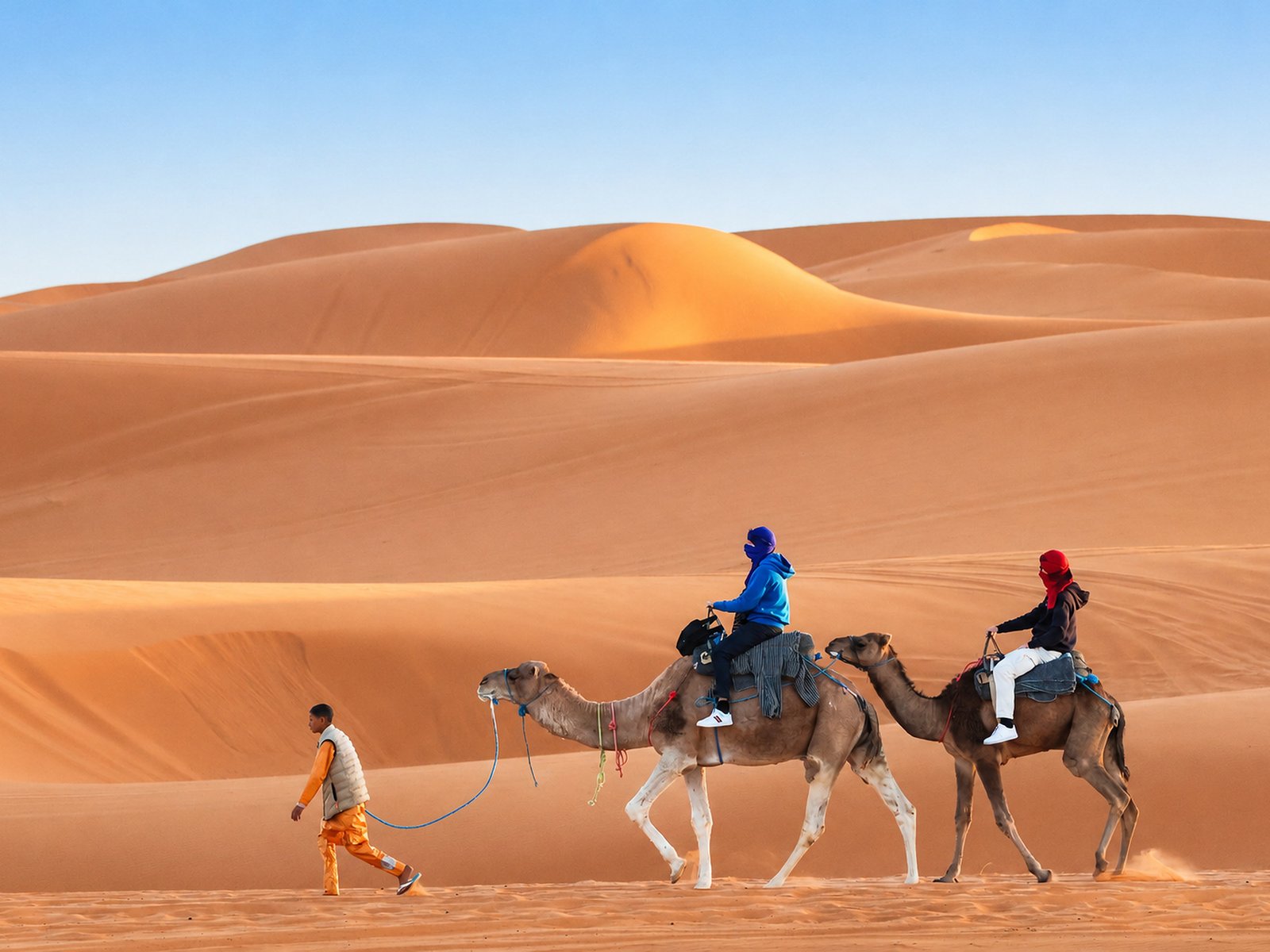
3-Day Marrakech to Merzouga Guided Desert Tour
Cross the High Atlas Mountains, explore ancient kasbahs, and sleep under the Saharan stars.

10-Day Morocco Grand Guided Tour
The ultimate guided 10-day journey from Casablanca to Marrakech via Chefchaouen, Fes, Merzouga Sahara, and High Atlas.

Atlas Mountains & Berber Villages Guided Day Trip from Marrakech
Take a full-day trip from Marrakech into the High Atlas Mountains, visiting Ourika Valley, Berber villages, Setti Fatma, Oukaïmeden, Sidi Fares, Asni and Tahnaout.
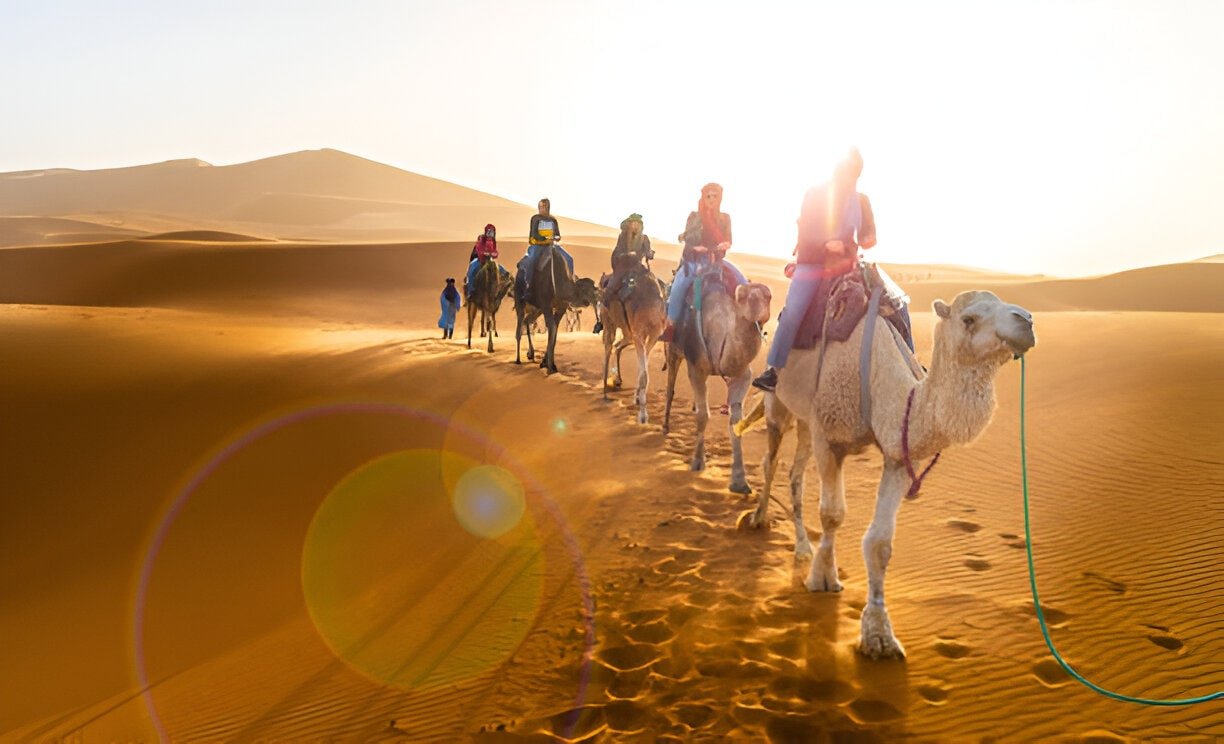
5-Day Marrakech to Fes Guided Desert Expedition
A 5-day one-way desert expedition from Marrakech to Fes through Ait Ben Haddou, Dades, Todra Gorge, and Erg Chebbi with two desert camp nights.
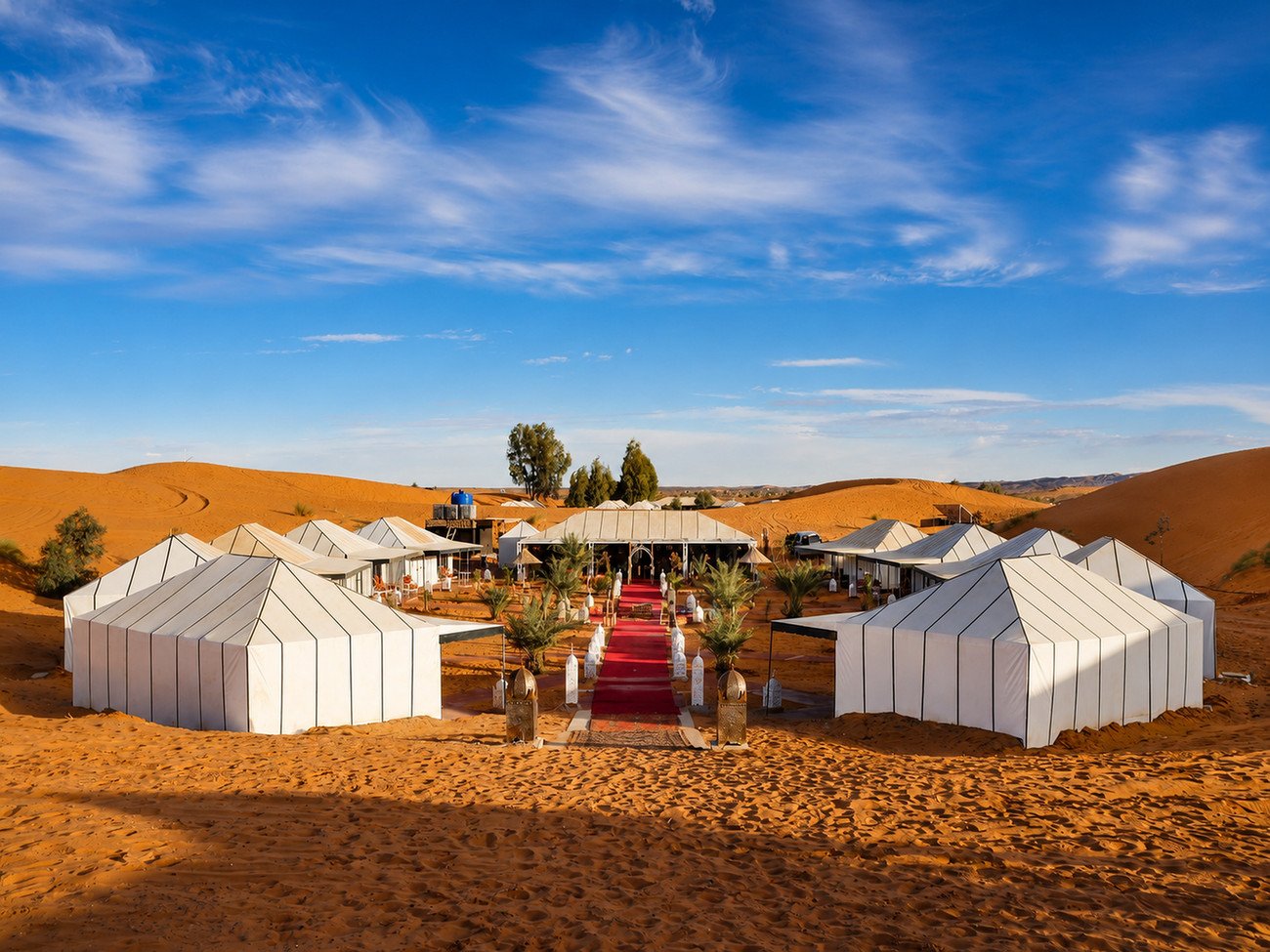
4-Day Luxury Guided Sahara Desert Experience
A 4-day luxury Sahara desert roundtrip journey from Marrakech featuring boutique kasbahs, two nights in an Erg Chebbi camp, and a scenic Draa Valley return.
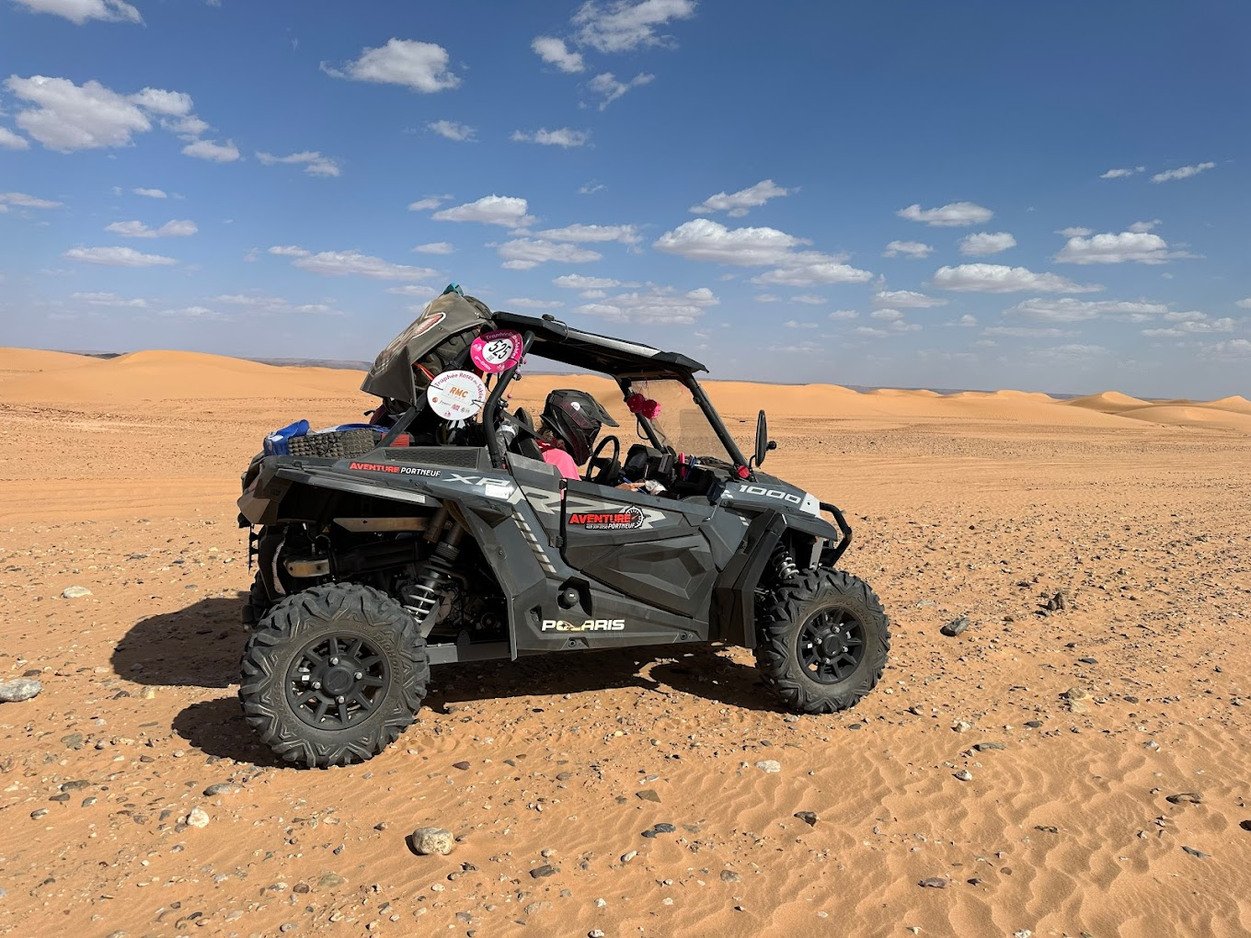
6-Day Morocco Family Guided Adventure Tour
A guided 6-day family adventure from Marrakech combining sunrise hot-air ballooning, Atlas Mountains hiking, Todra Gorge rock climbing, Sahara camel trekking, luxury desert camping, and UNESCO kasbahs.
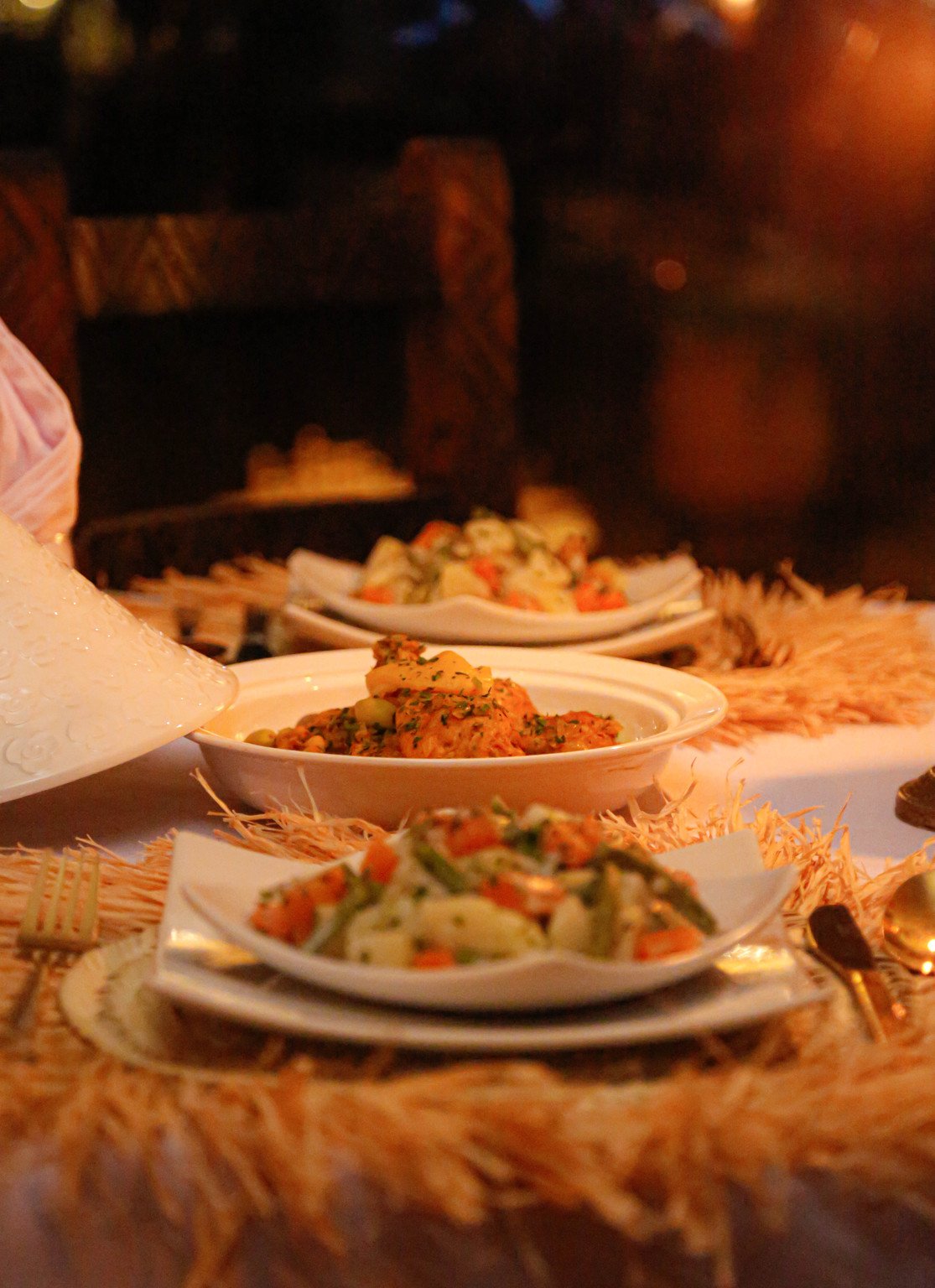
Food of Morocco Guided Tour: Marrakech, Fes & the Atlas Mountains
Taste Morocco’s culinary traditions on a guided food tour through Marrakech, Fes & the Atlas Mountains. Explore souks, cooking classes, tea rituals, village kitchens, and more.
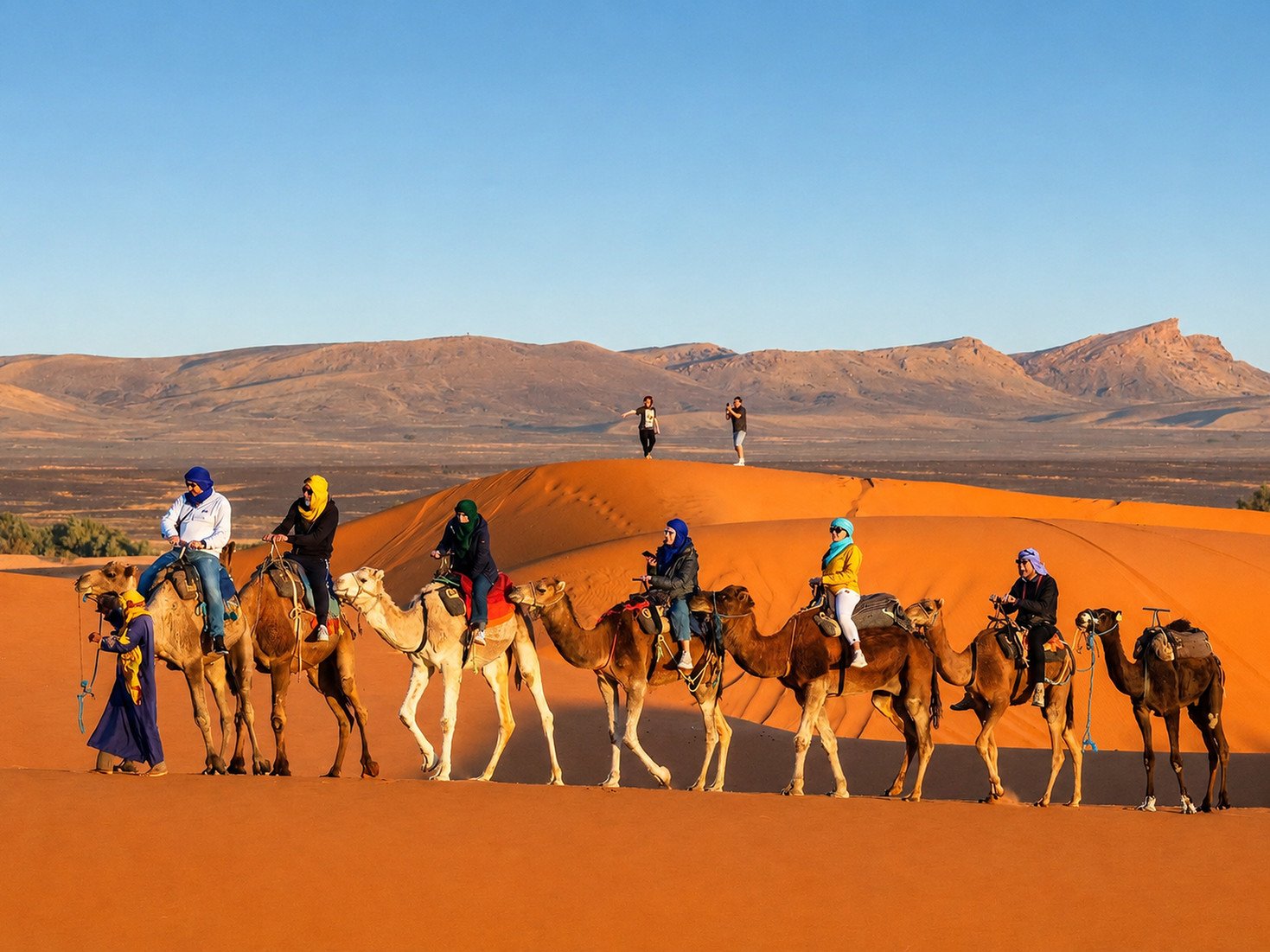
Marrakech & Southern Morocco Guided Tour: Ouarzazate, Merzouga & Zagora
Cross mountain passes, kasbah country, palm-filled valleys, and the dunes of the Sahara.
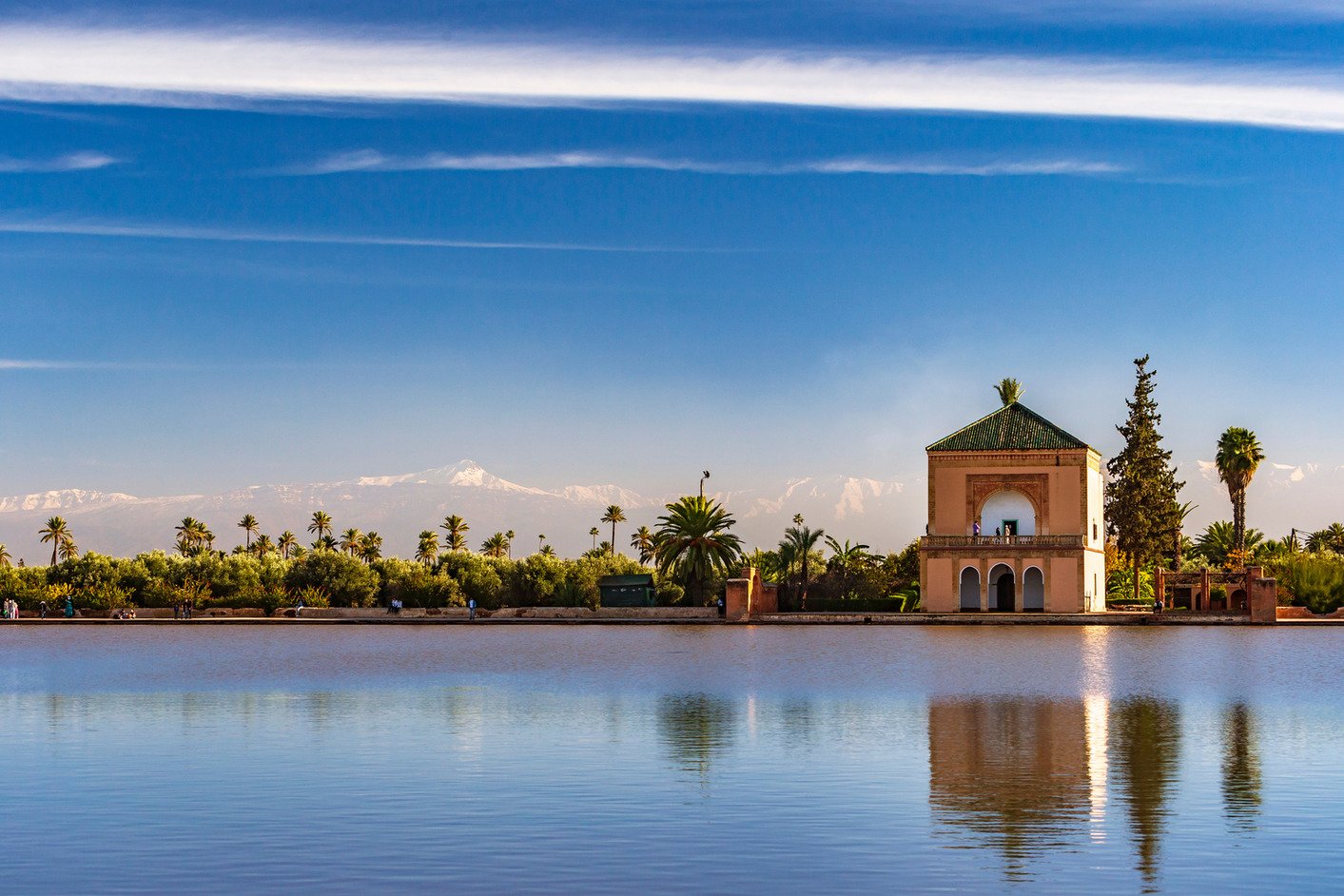
A Week in Marrakech Guided Tour: From the Atlas Mountains to Essaouira
Base in the Red City for a week of palaces, gardens, souks, and day trips to the Atlas Mountains and Essaouira.
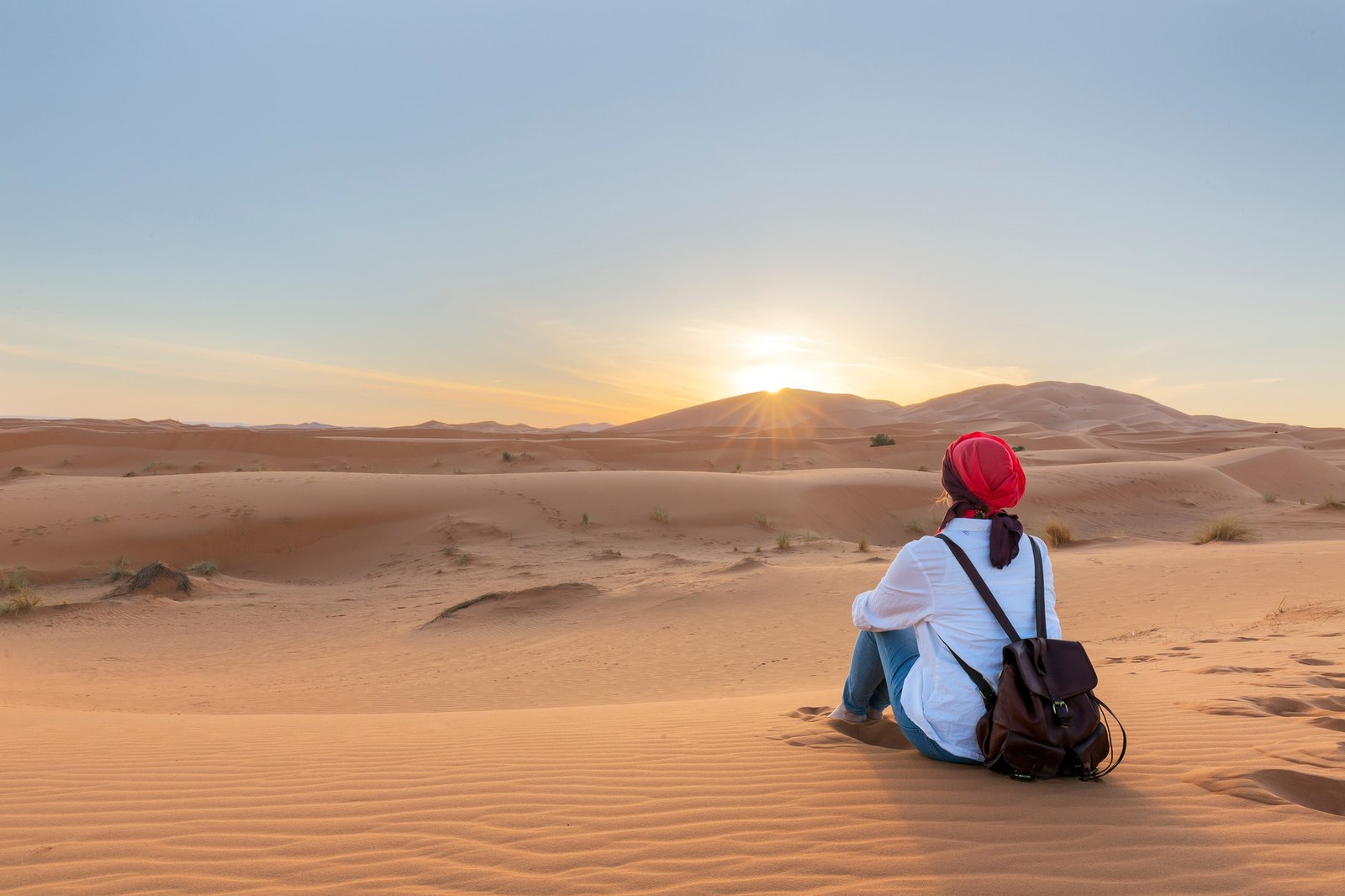
Morocco for Solo Travelers Guided Tour: Marrakech, the Sahara & Fes
Explore Marrakech, cross the Atlas Mountains, experience the Sahara, and discover Fes on a small guided group journey created for solo travelers.
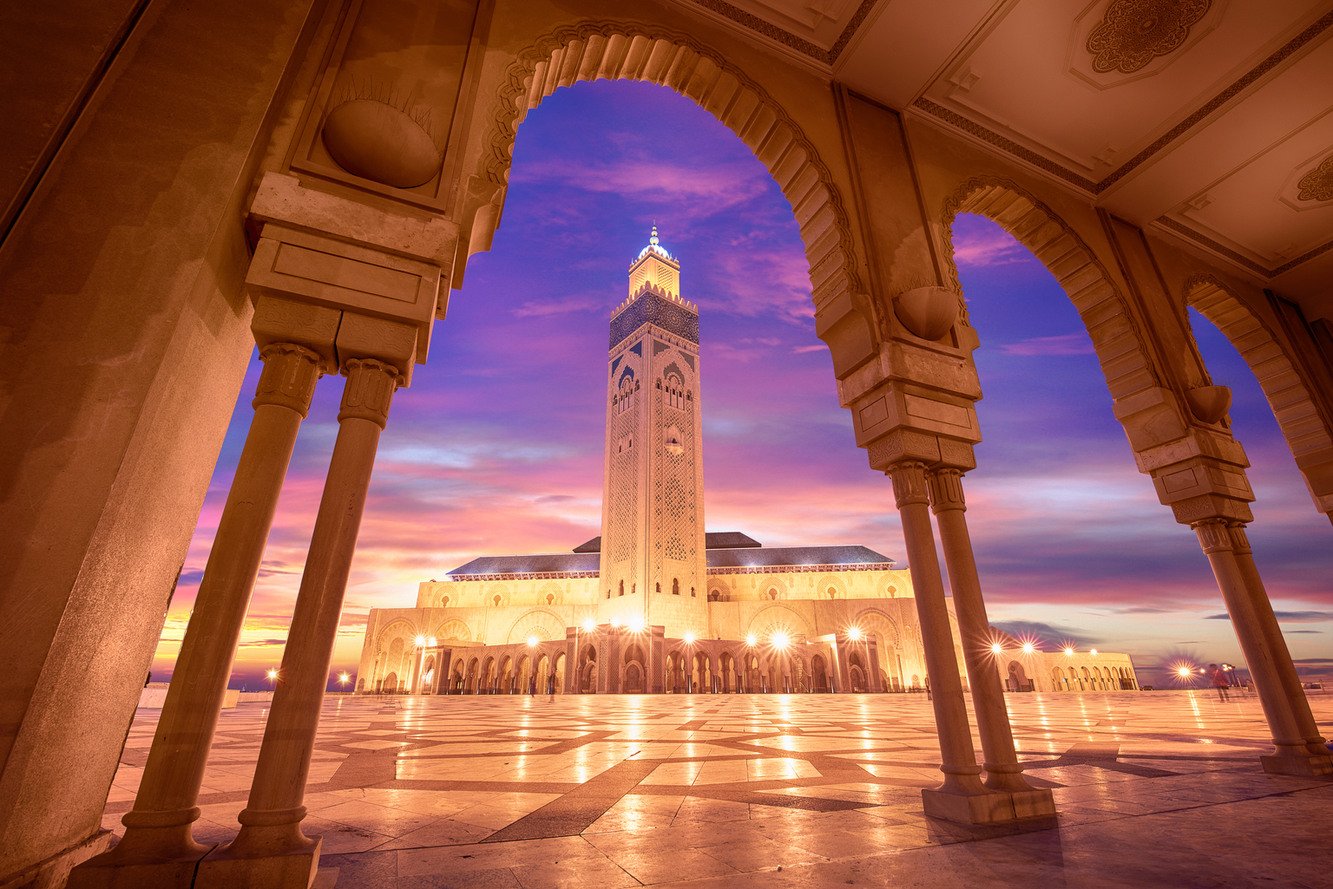
Highlights of Morocco Guided Tour: Casablanca to Marrakech
Discover Morocco from Casablanca to Marrakech on a guided journey through imperial cities, ancient medinas, Atlas landscapes, artisan quarters, and celebrated cultural landmarks.
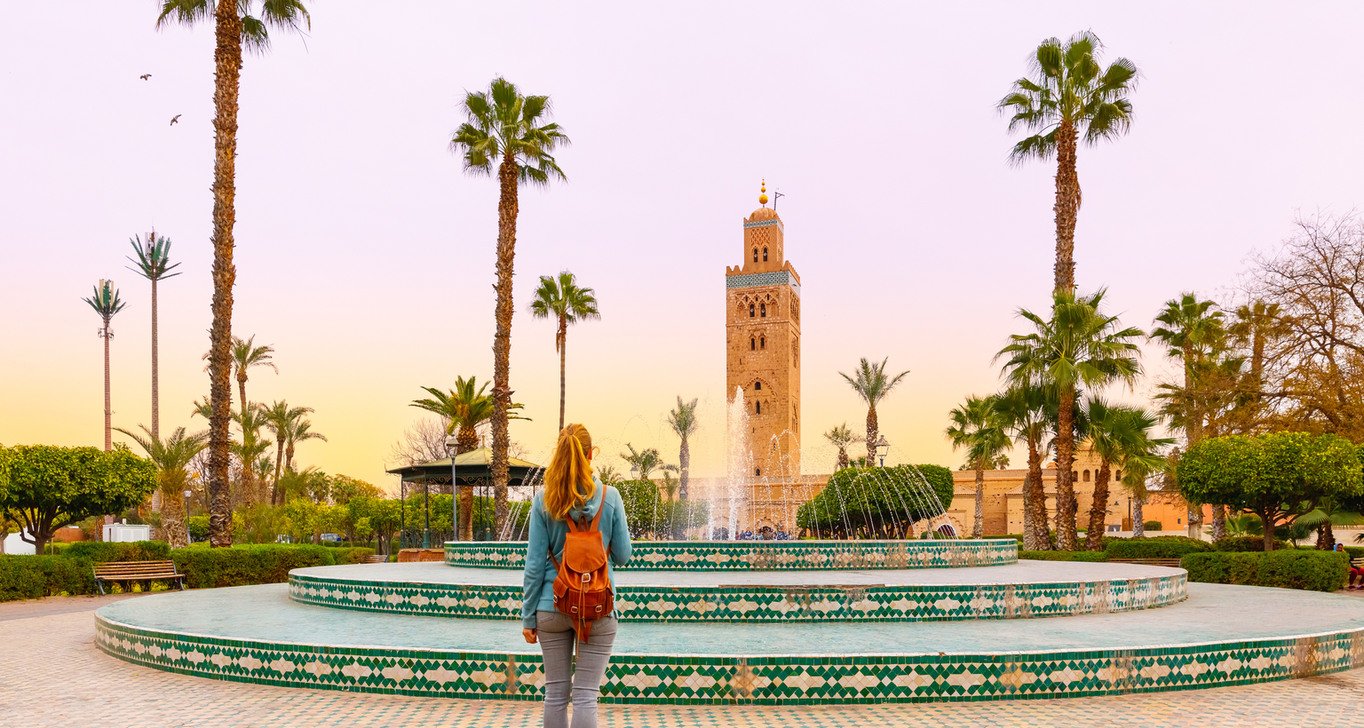
Springtime in Morocco Guided Tour: Casablanca to Marrakech
On this guided Morocco tour, experience spring from Casablanca to Marrakech through imperial cities, medinas, mountain landscapes, gardens, and waterfalls. View itinerary!
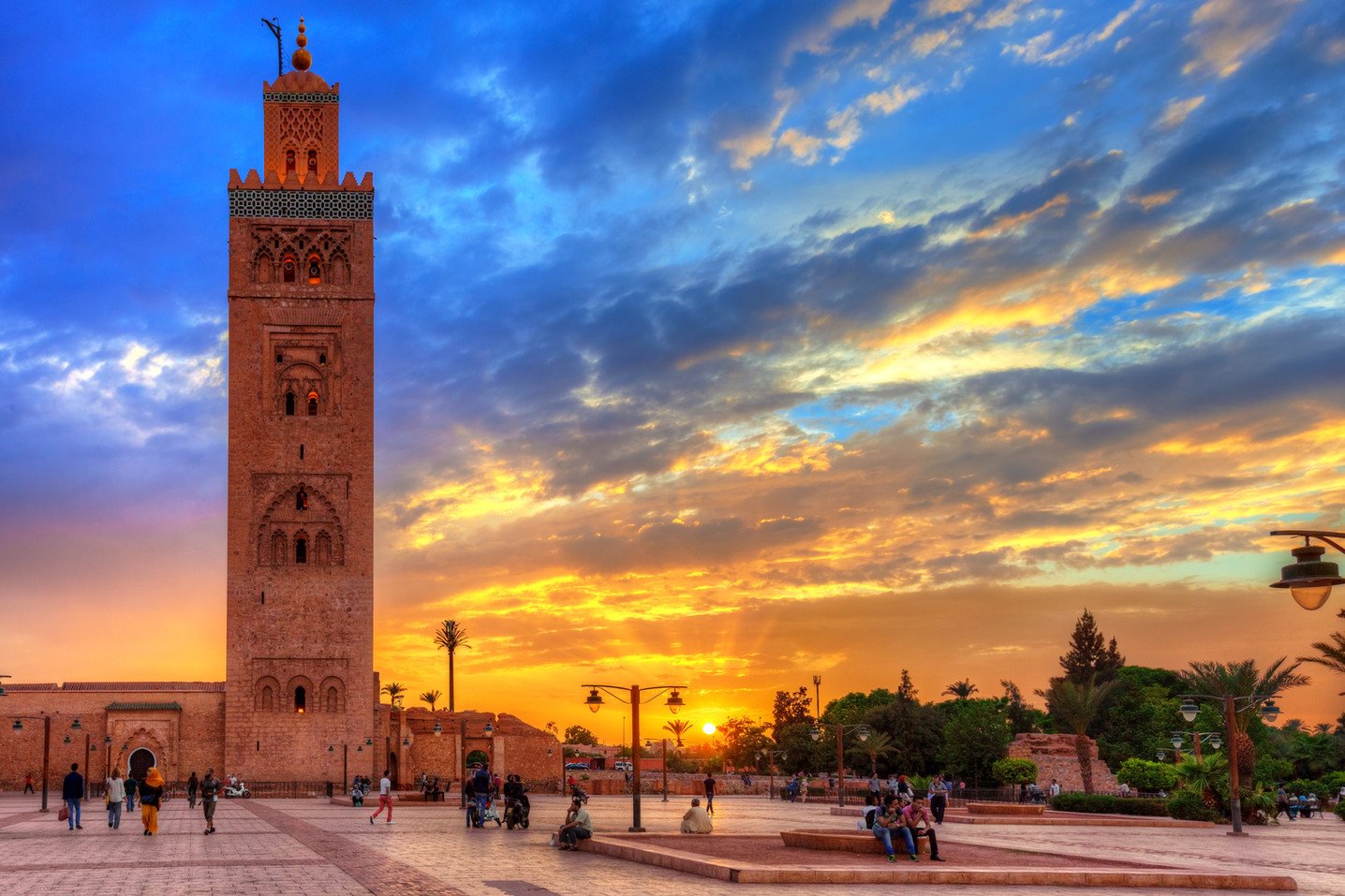
Morocco Guided Tour: Marrakech, the Atlas Mountains & Casablanca
Discover Marrakech, the High Atlas Mountains & Casablanca on a locally guided Morocco tour filled with medinas, mountain villages, Moroccan cuisine, and Atlantic-coast culture.
Plan Your High Atlas Journey
Whether you wish to summit Mount Toubkal with a certified mountain guide, relax in a luxury foothill retreat, or explore traditional Amazigh valleys, our local travel specialists design private itineraries tailored to your pace.