
Marrakech & Southern Morocco Guided Tour: Ouarzazate, Merzouga & Zagora
No payment required — send us your travel request.
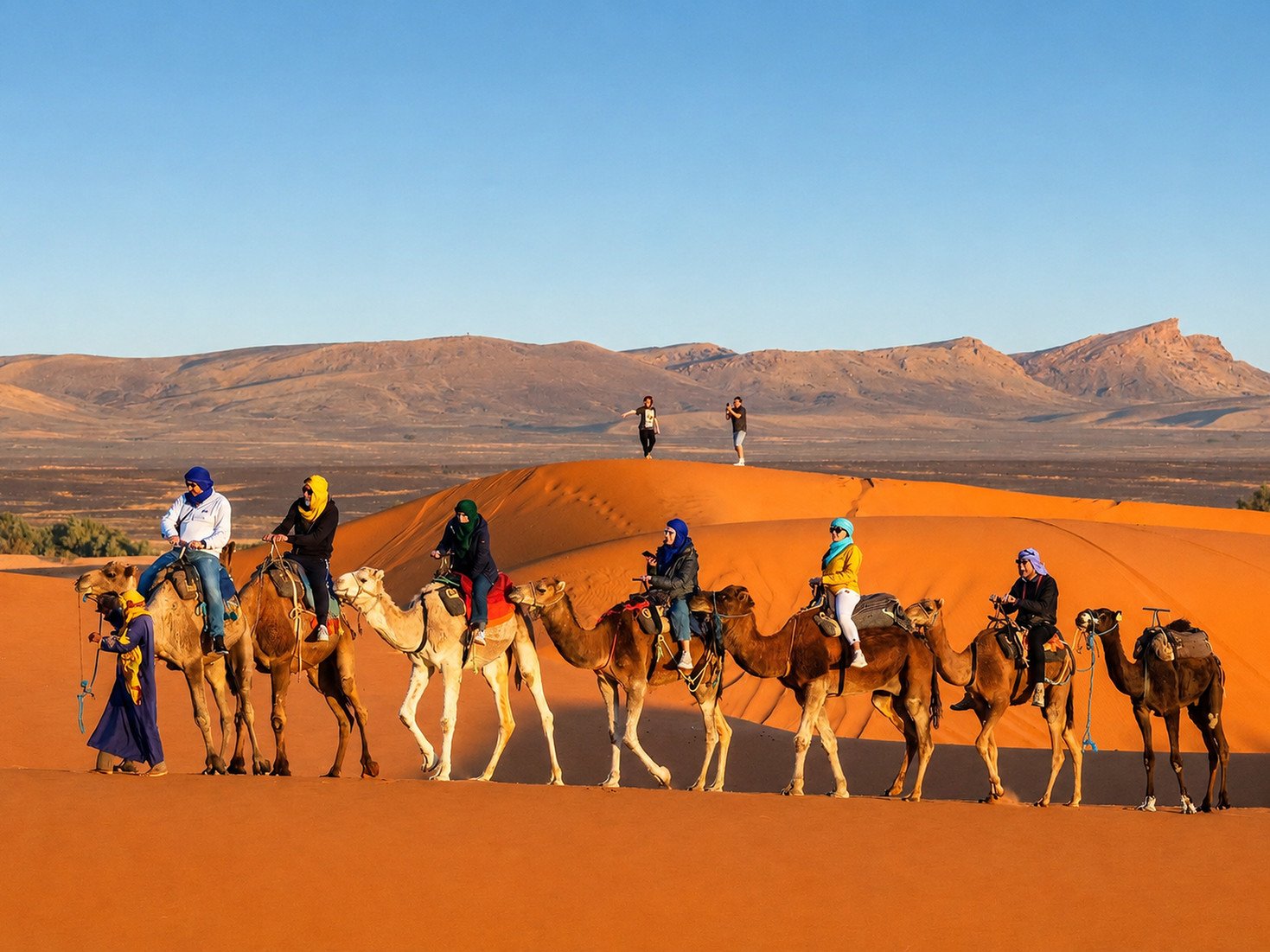
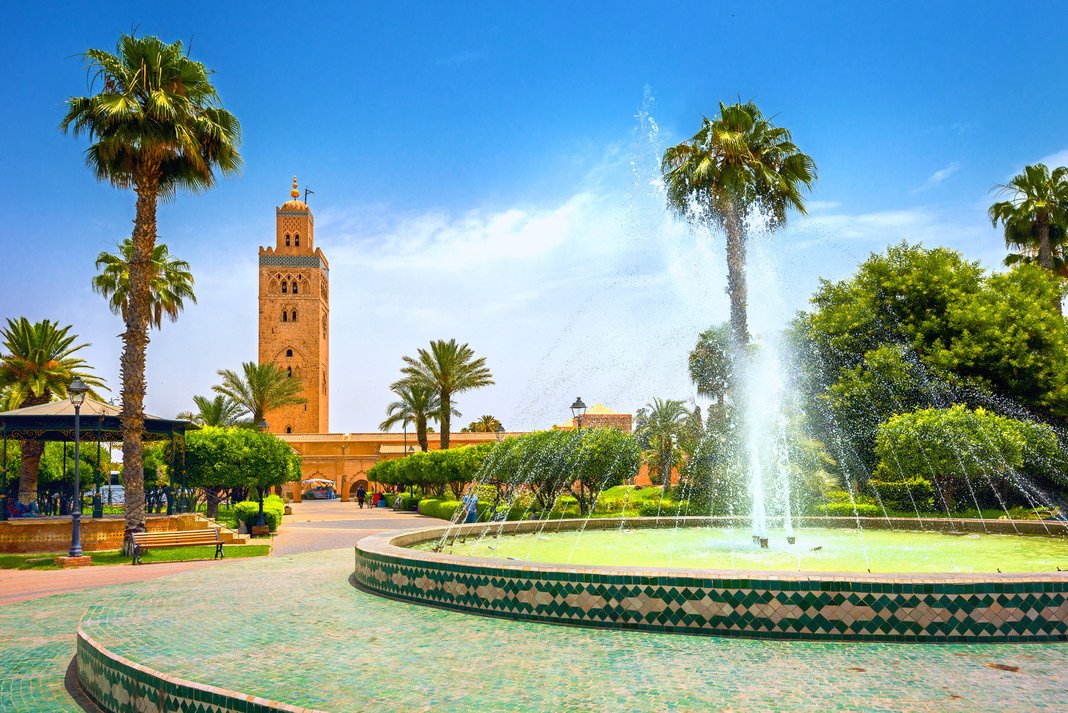

Cross mountain passes, kasbah country, palm-filled valleys, and the dunes of the Sahara.
Southern Morocco rewards travelers who follow the road beyond Marrakech. On this journey, you will move from the city's rose-colored walls into the High Atlas, continue through the fortified villages and film-country landscapes around Ouarzazate, and trace old caravan routes toward Merzouga and Zagora. Along the way, explore mud-brick kasbahs, visit the palm oasis of Tinghir and dramatic gorges, watch the light change across Saharan dunes, share mint tea with local hosts, and return to Marrakech with a deeper sense of the landscapes and cultures that shape Morocco's south. If you are preparing for the desert segments and overnight camp stays on this route, see our advice on what to pack for a Sahara desert tour.
Travelers with limited time seeking a shorter Marrakech-based desert option may explore our private 4-Day Luxury Guided Sahara Desert Experience.
Why You'll Love This Tour
- Marrakech medina, souks & Jemaa el-Fna
- Bahia Palace and traditional Moroccan architecture
- High Atlas Mountains & Tizi n'Tichka pass
- UNESCO-listed Ait Benhaddou
- Ouarzazate kasbahs and film-country landscapes
- Todra Gorge and southern oasis scenery
- Erg Chebbi dunes near Merzouga
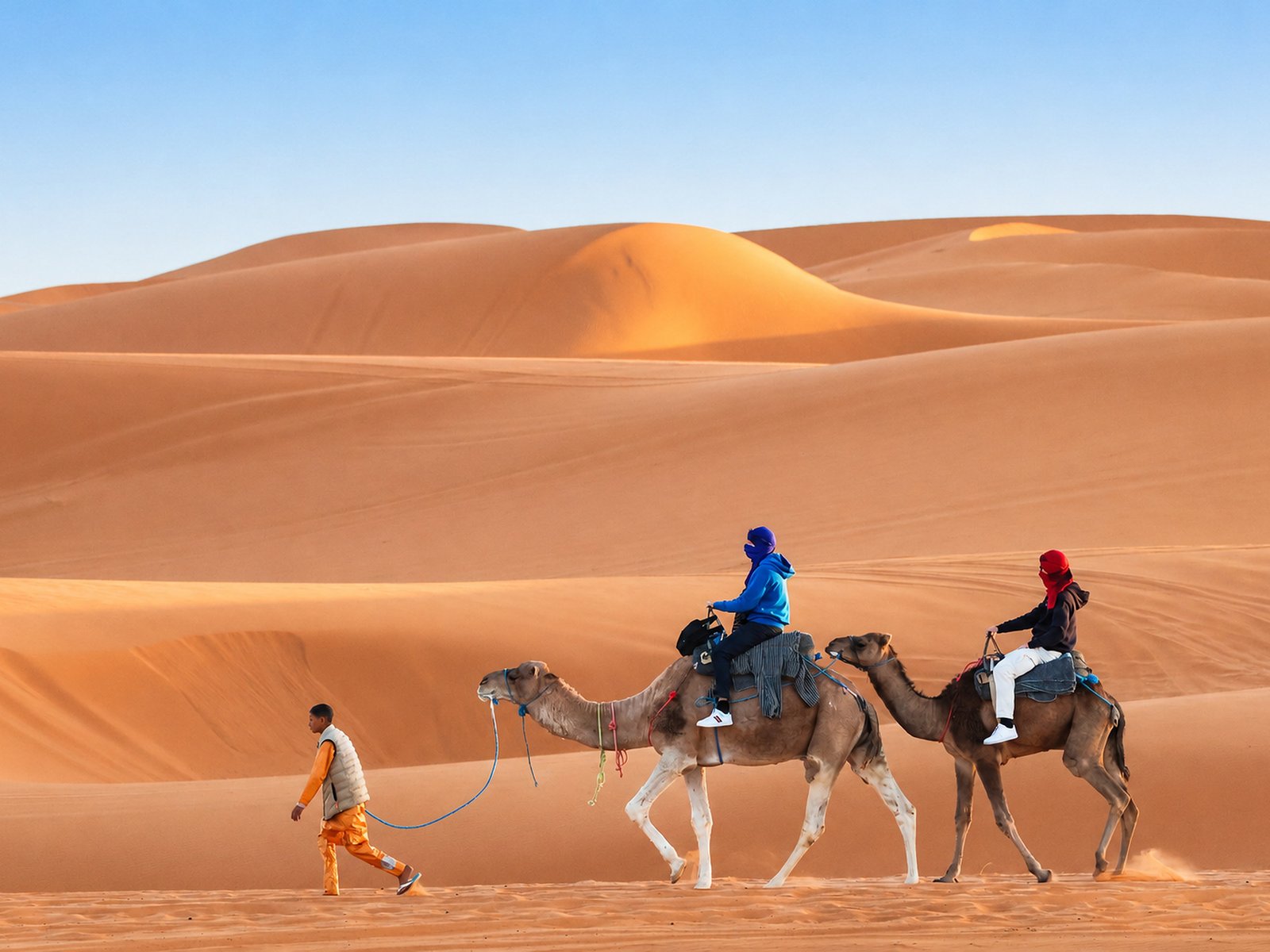
- Camel ride and desert-camp evening
- Draa Valley palm groves
- Zagora's caravan-route heritage
Detailed Itinerary
Day 1: Marrakech
Day 2: Sightseeing Tour of Marrakech
Day 3: Free Day in Marrakech
Day 4: Ouarzazate via the High Atlas & Ait Benhaddou
Day 5: Ouarzazate Sightseeing & Kasbah Country
Day 6: Merzouga via the Valley of Roses, Tinghir & Todra Gorge
Day 7: Sahara Desert Experience
Day 8: Zagora via Rissani, Alnif & Tazzarine
Day 9: Draa Valley & Zagora
Day 10: Return to Marrakech via Agdz & the High Atlas
Day 11: Free Morning & Tour Conclusion
Tour Inclusions
- ✓10 nights in handpicked hotels, riads, and a desert camp
- ✓10 breakfasts, 3 lunches, and 3 dinners
- ✓2 food or tea tastings
- ✓10 sightseeing tours and guided experiences
- ✓Expert Morocco Guided Tours Tour Director & local guides
- ✓Private deluxe motor coach
- ✓4x4 desert excursion in the Merzouga region
Not Included
- ✕International airfare to and from Marrakech (RAK)
- ✕Travel and medical insurance
- ✕Meals and beverages not specified in the itinerary
- ✕Optional experiences (Moroccan Cooking Class & Dinner, Ourika Valley & Atlas Villages, Sunset viewpoint outside Zagora)
- ✕Personal expenses and market purchases
- ✕Gratuities for Tour Director, local guides, desert team, and drivers
Important Tour Notes
Passport, Visa & Entry Requirements
Entry requirements depend on your nationality and can change. Travelers are responsible for carrying valid travel documents that meet Morocco's current requirements. Make sure your passport has sufficient validity and blank pages for the duration of your trip. If your nationality requires a visa or other authorization, arrange it before your tour begins. Check the latest requirements with the appropriate Moroccan diplomatic or government source before travel.
Physical Activity & Mobility
This is a high physical activity-level tour. You can expect regular walking, uneven surfaces, stairs, desert terrain, and several long overland travel days. Walking surfaces may include cobblestones, uneven medina lanes, packed earth, rocky paths, stairs, sand, and sloped terrain. Ait Benhaddou, kasbahs, gorges, and desert areas may involve uneven steps and limited handrails. Camel riding is not required; travelers who prefer not to ride should speak with the Tour Director about available alternatives within the desert program. Travelers should be healthy enough to participate in included walks without individualized assistance. Optional excursions may increase the amount of walking. The Tour Director's responsibility is to coordinate the group and cannot include ongoing individualized mobility or luggage assistance. The itinerary follows scheduled travel times and sightseeing stops, so the group may not be able to delay activities for individual needs. Some historic sites, riads, kasbahs, and desert facilities are not designed for wheelchairs or walkers. Travelers with mobility concerns should review the itinerary carefully before booking and discuss practical requirements with Morocco Guided Tours.
Climate Considerations
Marrakech and southern Morocco can be warm or hot during the day, while mountain and desert temperatures can drop sharply after sunset. The Sahara region is dry and exposed, with strong sun and occasional wind or blowing sand. Seasonal weather can affect mountain roads, desert activities, and the order of sightseeing. Pack layers so you can adjust to changing temperatures between cities, mountains, valleys, and desert areas.
Tour Pacing & Transportation
This is a brisk-paced tour with two 2-night stays and one final 1-night stay after Marrakech, several full days of included activities, and long driving stretches between southern Morocco destinations. Most included transportation is by private motor coach or minibus, depending on group size. A 4x4 vehicle is used for the Merzouga desert excursion. Roads in the High Atlas and southern Morocco can be winding, narrow, or bumpy, and travel times may vary with weather, road works, and local traffic. Comfort stops are planned on longer drives, but facilities may be simple in remote areas. Some medina hotels and riads cannot be reached directly by vehicle; short walks with luggage may be required.
Baggage Allowance & Expectations
For ease of loading and storage, travelers should limit themselves to one main suitcase and one small day bag per person. Label your luggage and keep valuables, medication, and important documents with you. Travelers should be prepared to handle their own luggage when porterage is unavailable. For the desert-camp portion, a smaller overnight bag is recommended so you do not need to move a large suitcase across sandy or uneven ground.
Clothing & Packing Tips
Pack lightweight, breathable clothing that can be layered for cooler mornings, mountain crossings, and desert evenings. Bring sturdy walking shoes with good grip for medinas, kasbahs, gorges, and desert terrain. A sun hat, sunglasses, sunscreen, and reusable water bottle are strongly recommended. A light scarf can be useful for sun, dust, and visits to conservative areas. Modest clothing that covers shoulders and knees is recommended when visiting religious or traditional sites. Bring a universal travel adapter and check the voltage requirements of your personal devices.
Hotels, Riads & Desert Camp
Accommodations are selected for comfort, location, and local character and may include modern hotels, traditional riads, and a desert camp. Traditional riads and kasbah-style properties may have stairs, uneven floors, narrow corridors, or no elevator. In historic medinas, vehicles may not be able to stop directly at the accommodation entrance. Desert-camp facilities are more rustic than city hotels. Electricity, hot water, heating, cooling, and Wi-Fi can be limited or intermittent. Specific accommodations may vary by departure date and local availability.
Moroccan Cultural & Religious Etiquette
Morocco is a Muslim-majority country. Dress and behavior should be respectful, especially near mosques, shrines, and rural communities. Many mosques do not admit non-Muslim visitors; your guide will explain where interior visits are permitted. Ask permission before photographing people, artisans, performers, or private homes. Bargaining is common in souks, but it should remain friendly and respectful. Public displays of affection are generally more restrained than in many Western destinations. During Ramadan, daily schedules and restaurant hours may change, and extra consideration for local customs is appreciated.
Optional Excursions
Optional experiences may be offered before or during the tour, subject to local availability. Some activities require advance reservations or minimum participation. Weather, road conditions, or local closures may require changes or cancellations. Your Tour Director will explain timing, payment details, physical requirements, and cancellation terms for any optional activity offered on tour.
Health, Meals & Cuisine
Consult your healthcare provider before travel if you have questions about medications, vaccinations, heat, altitude, or activity levels. Bring enough prescription medication for the full tour and keep it in its original labeled packaging. Drink bottled or appropriately treated water and stay well hydrated, especially in the desert. Use sun protection consistently and be mindful of heat during midday sightseeing. Tell Morocco Guided Tours in advance about serious food allergies or dietary restrictions so suppliers can be informed where possible. Included meals may be served as set menus, buffets, family-style meals, or traditional Moroccan shared dishes combining savory spices, herbs, preserved ingredients, and slow-cooked preparations such as tagine, couscous, grilled meats, vegetable salads, harira soup, pastilla, and freshly baked bread. In the south, dates, almonds, olives, seasonal vegetables, and simple oasis-grown ingredients are common. Mint tea is a central part of hospitality. Vegetarian meals can usually be arranged, but choices may be more limited in remote areas.
Tipping, Currency & Wi-Fi
Tipping is customary for guides, drivers, hotel staff, and other service providers in Morocco. Your Tour Director can suggest appropriate amounts based on the service and local norms. Carry small denominations of Moroccan currency (dirham) for tips, cafes, small purchases, and rest stops. Cards are widely accepted in many hotels, larger restaurants, and shops in major cities, but cash remains important in souks, villages, and remote areas. ATMs are available in larger towns and cities, though access may be limited on desert travel days. Notify your bank of your travel plans if required. Wi-Fi is available at many hotels and riads, though speed and reliability vary. Connectivity is more limited in remote valleys and the Sahara, and the desert camp may have weak or no service.
Tour Director, Support & Responsible Travel
Your Morocco Guided Tours Tour Director coordinates the journey, confirms services, manages timing, and provides destination context throughout the tour. Local guides may join the group in Marrakech, Ouarzazate, the desert region, Zagora, or other stops for specialized sightseeing. Morocco Guided Tours provides on-tour assistance for operational issues that arise during the itinerary. If weather, road conditions, closures, or other local circumstances affect the program, the team may adjust timing, routing, or the order of visits. Morocco follows GMT+1. Support locally owned restaurants, cooperatives, artisans, and family-run businesses whenever possible. Ask before photographing people and respect requests not to be photographed. Use water carefully, especially in desert and oasis regions where it is a limited resource. Avoid leaving litter in the mountains, gorges, oases, desert, or historic sites. Do not remove stones, fossils, plants, pottery fragments, or other objects. Choose respectful animal interactions and approach differences in language, religion, dress, food, and daily routines with curiosity and respect.
Frequently Asked Questions
Practical Tour Details
Accommodation Notes
Stay 10 nights in handpicked hotels, authentic riads, kasbah lodges, and a Sahara desert camp in Marrakech, Ouarzazate, Merzouga, and Zagora.
Transportation & Driver
Private deluxe motor coach / minibus throughout all intercity transfers and a 4x4 desert excursion in the Merzouga region.
Pickup & Drop-off
Tour begins at the designated central meeting point/hotel in Marrakech on Day 1. Concludes in Marrakech on Day 11.
What to Bring
Valid passport with sufficient validity and blank pages, Sturdy walking shoes with good grip for medinas, kasbahs, gorges, and desert sand, Lightweight, breathable clothing for daytime and warm layers for desert evenings, Sun hat, sunglasses, and high-SPF sunscreen, Reusable water bottle, Light scarf for sun, dust, and visits to conservative areas, Modest clothing covering shoulders and knees for traditional sites, Universal travel adapter (Type C/E), Small overnight bag for the Sahara desert camp stay
Specialist Local Guides for This Tour
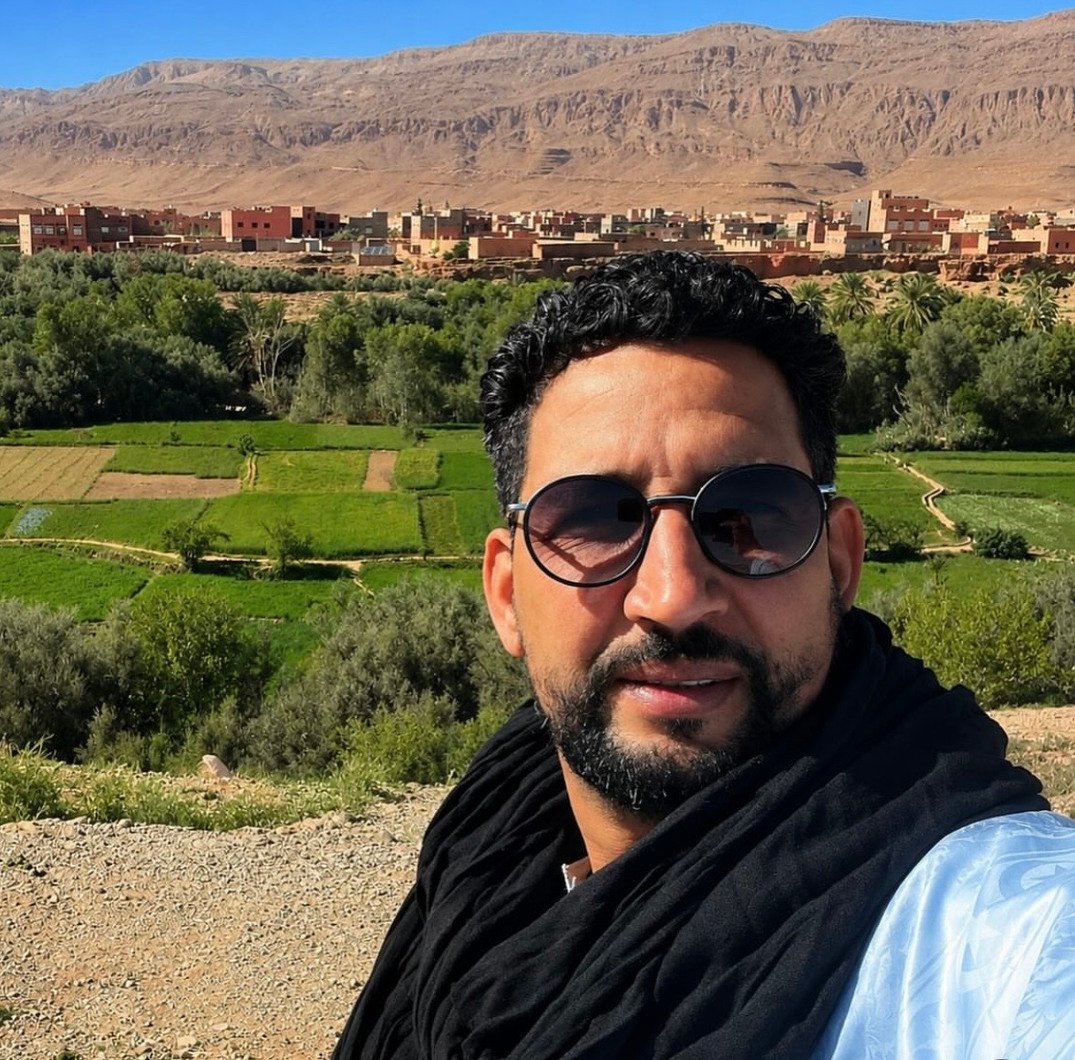
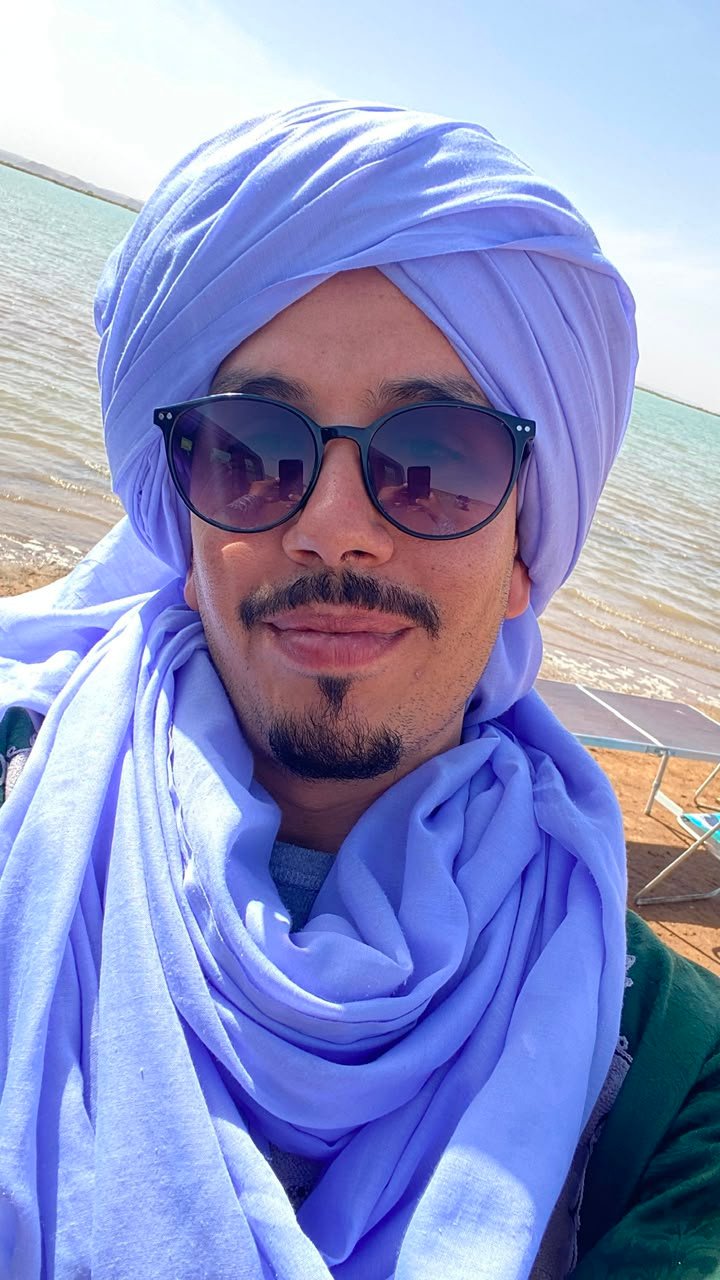
Private & shared tour pricing available on request.
Guided Tour • Private & Shared Options • Flexible Pacing
Displayed starting prices are per person for shared tours. Contact us to confirm availability and the final price for your preferred date and tour format.
Want to modify or personalize this route?
Customize This TripYou Might Also Like
3-Day Marrakech to Merzouga Guided Desert Tour
Cross the High Atlas Mountains, explore ancient kasbahs, and sleep under the Saharan stars.

4-Day Fes to Merzouga Guided Desert Tour
Roundtrip guided desert journey from Fes through the Middle Atlas, Ziz Valley, and Erg Chebbi dunes.

7-Day Morocco Imperial Cities Guided Tour
Discover Morocco’s imperial cities on a 7-day journey beginning and ending in Casablanca.