
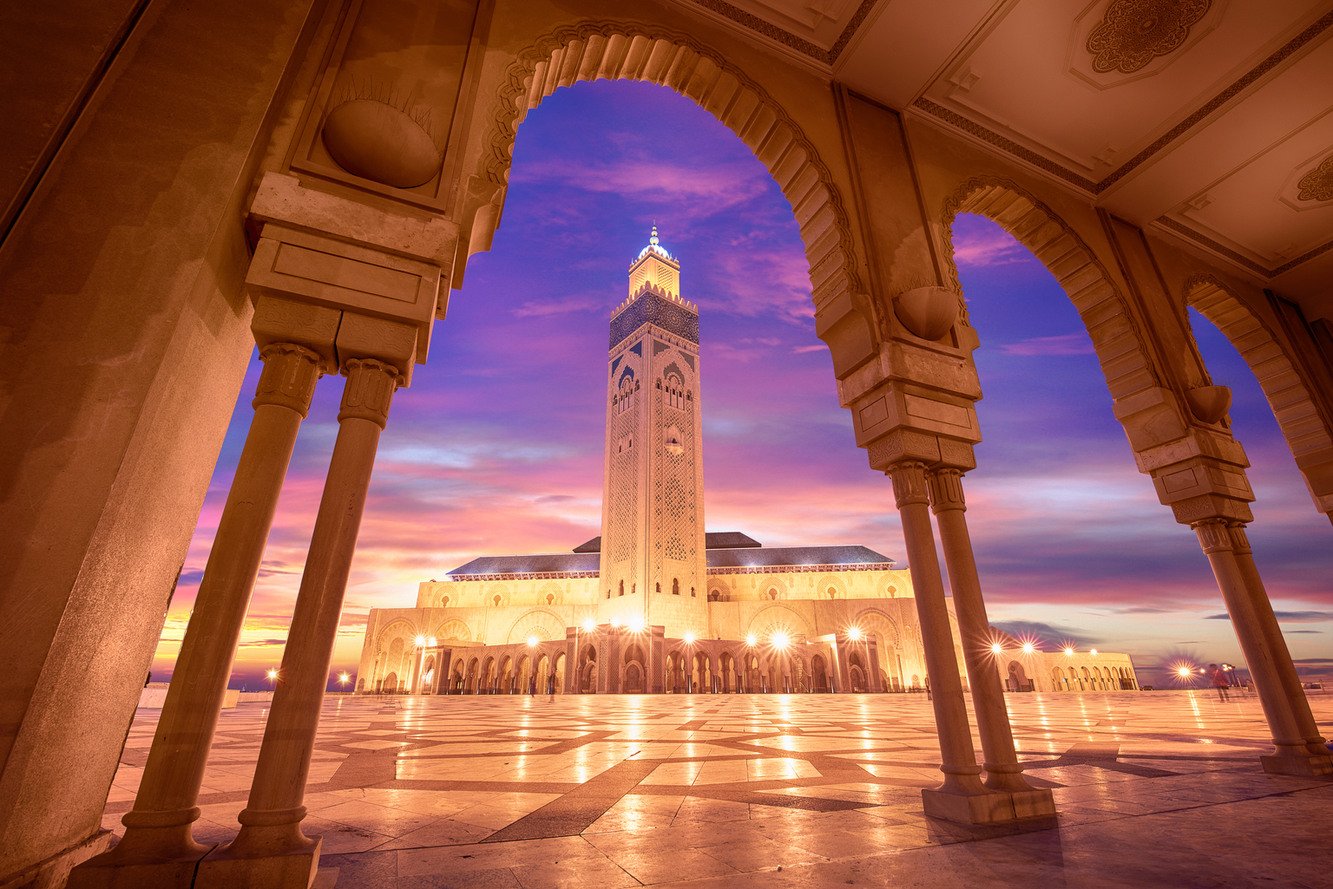
Casablanca
Monumental Hassan II Mosque, early-20th-century Art Deco boulevards, Habous quarter, and vibrant Atlantic waterfront.
Why Go to Casablanca
Set on Morocco's Atlantic coast, Casablanca is the country's great modern metropolis—a place where monumental Moroccan architecture, early-20th-century Art Deco buildings, lively commercial districts and Atlantic waterfront life exist side by side. Morocco's National Tourism Office describes it as the country's economic heart and emphasizes the contrast between modern infrastructure, Arab-Muslim heritage and architecture inherited from the colonial period.
Casablanca feels very different from Marrakech, Fès or Chefchaouen. Rather than being built primarily around an ancient medina, the city rewards visitors who explore its contrasts: the imposing Hassan II Mosque on the ocean, the narrow lanes of the Old Medina, the arcades and markets of the Habous quarter, grand central boulevards lined with Art Deco façades, and the cafés and beaches of the Corniche. The official tourism office lists the Hassan II Mosque, Aïn Diab Corniche, Old Medina and Habous among the city's principal attractions.
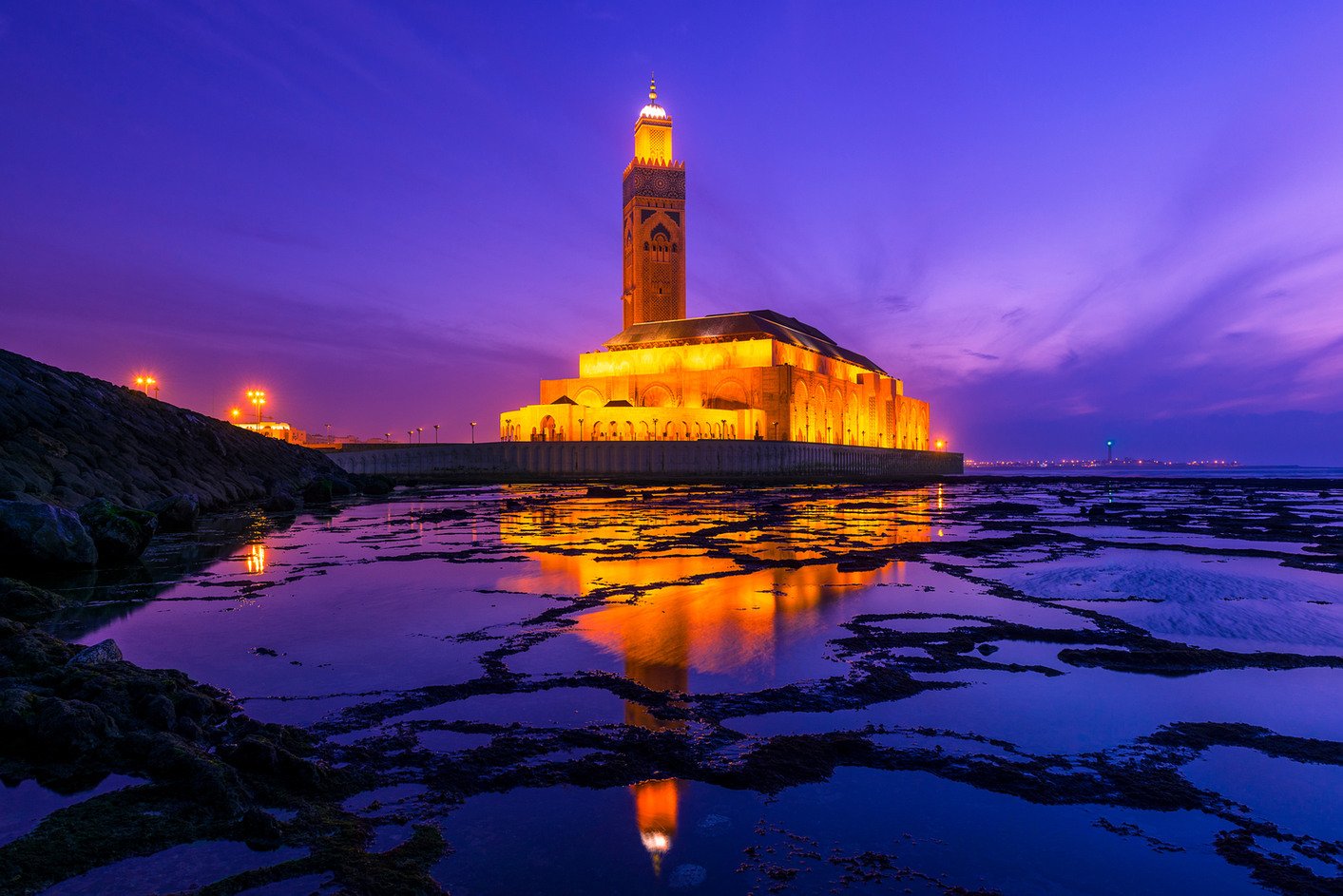
The city's defining monument is the Hassan II Mosque, dramatically positioned beside the Atlantic. Visitors can enter parts of the complex through official paid guided tours, which include the prayer hall, minaret hall and ablution room. Tour schedules vary by season and during Ramadan, so checking the Hassan II Mosque Foundation's current timetable before visiting is worthwhile.
Casablanca is also an excellent destination for travelers interested in architecture, contemporary Moroccan urban life, restaurants and nightlife. It is less about escaping the modern world than seeing how modern Morocco actually functions.
Best of Casablanca
Best Hotels in Casablanca
Casablanca has a much larger selection of international and business-oriented hotels than many Moroccan tourist cities. These are not an official ranking, but 10 established options across the luxury and upscale categories:
Royal Mansour Casablanca Hotel
An opulent luxury palace property bringing the esteemed Royal Mansour heritage to the commercial capital with signature dining and spa suites.
Four Seasons Hotel Casablanca
A premier seaside sanctuary nestled directly along the Anfa coastline with ocean-view balconies, pools, and French-Moroccan fine dining.
Sofitel Casablanca Tour Blanche
A contemporary luxury high-rise located near Casa Port offering panoramic city views, French elegance, and a tranquil Carita spa.
Royal Hideaway Casablanca
An upscale, design-forward hotel offering sophisticated modern accommodations and central access for business and leisure.
Hyatt Regency
A landmark luxury hotel situated directly on United Nations Square, overlooking the Old Medina and Hassan II Mosque.
Casablanca Marriott Hotel
A classic full-service international hotel in the city center providing expansive conference facilities, dining, and spacious executive rooms.
Hotel Barceló Anfa Casablanca
A stylish 5-star hotel in the lively Anfa boulevard district featuring modern Art Deco-inspired interiors and outdoor terrace dining.
Le Casablanca Hotel
A boutique luxury hotel in the residential Anfa neighborhood evoking 1930s glamour with lush gardens, lounge bars, and vintage charm.
Radisson Blu Hotel, Casablanca City Center
A sleek contemporary hotel on Boulevard Mohammed V adorned with local artwork, luxury suites, and a rooftop bar.
Kenzi Tower Hotel
An iconic five-star hotel situated in the Twin Center of the Maârif district offering sweeping 360-degree vistas across Casablanca.
For first-time sightseeing, a central location around the city center, United Nations Square or the Old Medina makes it easier to reach historic architecture and transport. For ocean views and a more resort-like stay, the Corniche and Aïn Diab area are better choices.
Best Things to Do in Casablanca
Tour the Hassan II Mosque
Enter Africa’s second-largest functioning mosque on an official guided tour to marvel at handcrafted zellige tilework, carved titanium domes, and marble fountains.
Walk along the Atlantic waterfront beside the mosque
Take in panoramic coastal breezes, crashing Atlantic waves, and the monumental 210-meter minaret towering above the ocean.
Explore Casablanca’s Art Deco city center
Stroll Boulevard Mohammed V, Rue Idriss Lahrizi, and United Nations Square to admire French colonial Mauresque and Art Deco architectural facades.
Wander through the Habous quarter
Explore the charming 1920s French-built "New Medina" featuring horseshoe-arched arcades, traditional bookshops, olive souks, and Bennis pastry shops.
Explore the Old Medina
Wander through the historic pre-colonial walled neighborhood near the port to experience local neighbourhood life, leather goods, and street spices.
Visit Place Mohammed V
Admire the grand civic square surrounded by monumental French-Moorish administrative palaces, the historic clock tower, and dramatic public fountains.
Walk through the Central Market
Discover Casablanca’s vibrant daily produce market on Boulevard Mohammed V, celebrated for fresh Atlantic oysters, fish stalls, and flowers.
Spend an afternoon on the Corniche and Aïn Diab
Enjoy breezy beachfront promenades, upscale beach clubs, open-air cafes, and sunset ocean views along Boulevard de la Corniche.
See the Mahkama du Pacha from the Habous area
Marvel at the intricate stone courthouse showcasing master Moroccan craftsmanship with over 60 ornate rooms adorned with zellige and carved cedar.
Relax in Arab League Park or explore Casablanca’s modern shopping districts
Stroll through the shaded palm-lined alleys of Parc de la Ligue Arabe or explore contemporary fashion and leisure at Morocco Mall and Maârif.
Morocco's official tourism site specifically highlights the Hassan II Mosque, Morocco Mall, Aïn Diab Corniche, Old Medina and Habous as the city's five most popular attractions, while also identifying United Nations Square and the Mahkama of the Pasha among Casablanca's essentials.
Casablanca Travel Tips
Best Months to Visit
Casablanca's Atlantic location gives it a much milder climate than inland Morocco. Summers are warm rather than routinely scorching, while winters are mild but wetter. Historical climate averages show daytime highs around 64°F (18°C) in January and approximately 79°F (26°C) in July and August.
For most visitors, April through June and September through October offer an especially pleasant balance for sightseeing: warm temperatures, relatively little rain and comfortable conditions for walking around the city.
July and August are also manageable compared with Marrakech or the Sahara, although the coastline can feel humid. Winter is perfectly possible for a city break, but November through January bring considerably more rainfall than summer.
For broader seasonal guidance across different regions, read our complete guide on the Best Time to Visit Morocco.
Weather in Casablanca
Average Temperature (°F)
Temperate Atlantic coastal climate with mild winters (64°F–68°F) and pleasantly warm, breezy summers (75°F–79°F).
Average Precipitation (in)
Virtually dry summers (0.02–0.14 in) with moderate Atlantic rainfall concentrated from November to January (2.40–2.95 in).
| Month | Average High (°F) | Average Low (°F) | Precipitation (in) |
|---|---|---|---|
| Jan | 64°F | 48°F | 2.69 in |
| Feb | 64°F | 50°F | 1.74 in |
| Mar | 68°F | 54°F | 1.53 in |
| Apr | 68°F | 55°F | 1.37 in |
| May | 72°F | 61°F | 0.66 in |
| Jun | 75°F | 66°F | 0.11 in |
| Jul | 79°F | 68°F | 0.14 in |
| Aug | 79°F | 70°F | 0.02 in |
| Sep | 79°F | 68°F | 0.41 in |
| Oct | 75°F | 63°F | 1.52 in |
| Nov | 70°F | 55°F | 2.95 in |
| Dec | 66°F | 52°F | 2.40 in |
These are long-term climate averages rather than forecasts. The historical data show August as the warmest month and November as the wettest, with very little rainfall during midsummer.
What You Need to Know
- Casablanca is large. Unlike compact destinations such as Chefchaouen or Essaouira, its attractions are spread across several districts. Combine walking with the tramway and taxis.
- Book your Hassan II Mosque visit around the official tour schedule. The mosque's foundation publishes different schedules for regular periods and Ramadan.
- Don't expect Marrakech's tourism atmosphere. Casablanca is a working commercial metropolis, which is precisely part of its appeal.
- Look upward in the city center. Some of Casablanca's most interesting Art Deco and neo-Moorish architectural details are above ground-floor shopfronts. The tourism office specifically recommends exploring the central Art Deco architecture.
- Carry Moroccan dirhams. Cards are widely useful in modern Casablanca, but cash remains convenient in markets, cafés, taxis and smaller businesses.
- Learn a few Moroccan Arabic phrases. “Salam” for hello and “Chokran” for thank you are useful throughout Morocco.
How to Save Money in Casablanca
- Use the tramway and busway. Casablanca's official network currently includes tramway lines T1, T2, T3 and T4 plus Busway lines BW1 and BW2.
- Use a rechargeable transit card if making several journeys. The official network currently lists rides from 6 MAD, with the rechargeable card itself costing 15 MAD.
- Eat at neighborhood cafés and markets. Casablanca has excellent restaurants, but simple grills, bakeries and traditional cafés can provide inexpensive meals.
- Explore architecture on foot. Art Deco streets, the Old Medina, Habous and much of the waterfront atmosphere can be enjoyed without large entrance charges.
- Use trains rather than private transfers between major Moroccan cities. Casablanca is one of the country's principal rail hubs, and ONCF operates intercity and airport services.
Culture & Customs
Casablanca presents a different side of Moroccan culture from the historic imperial cities. It is a contemporary business center, but its streets still reveal multiple layers of Moroccan history.
The center contains a particularly notable concentration of Art Deco and colonial-era architecture, while the Habous district presents a planned interpretation of traditional Moroccan urban architecture. Morocco's tourism authority explicitly encourages visitors to explore both the city's Art Deco center and its Arab-Muslim heritage.
Casablanca is cosmopolitan, and Moroccan Arabic, French and increasingly English are encountered throughout hotels, restaurants and business districts. Arabic and Amazigh remain Morocco's official languages.
The city is generally less conservative in appearance than smaller towns, but respectful clothing remains sensible around mosques and traditional neighborhoods. Visitors entering the Hassan II Mosque on a tour should follow the site's rules and dress appropriately for a place of worship.
During Ramadan, the city's rhythm changes considerably. Many Muslims fast from dawn until sunset, some restaurant schedules change, and evenings become much more active after the daily fast is broken. The Hassan II Mosque also operates a special Ramadan visitor timetable.
What to Eat
Casablanca's restaurant scene is one of the most varied in Morocco. As a large Atlantic port city, it combines Moroccan cooking with fresh fish and seafood, French-influenced cafés, modern restaurants and cuisines brought by communities from across Morocco and abroad.
Begin with Moroccan classics such as tagine, couscous, pastilla, harira, grilled meats and Moroccan salads. Casablanca is also an excellent place for fish tagine, grilled sardines, sole, prawns and other Atlantic seafood.
The Central Market is a particularly atmospheric area for seeing fish, produce and everyday food shopping, while restaurants near the waterfront specialize in seafood and ocean views.
In the Habous quarter, Moroccan pastries make an excellent snack. Look for cornes de gazelle, ghriba, almond pastries and briouates, ideally accompanied by mint tea.
Casablanca also has a strong café culture. Sitting with a coffee or tea and watching the city is as characteristic an experience here as wandering through a souk elsewhere in Morocco.
Movie fans may also recognize Rick's Café, a Casablanca restaurant inspired by the fictional café in the 1942 film Casablanca. It is a later homage rather than an original filming location.
Safety
Casablanca requires the same normal urban precautions as other large international cities. Keep phones, wallets and bags secure in crowded markets, transport hubs and busy streets, and avoid displaying large amounts of cash.
Traffic can be one of the more immediate practical concerns for pedestrians. Cross carefully even where marked crossings exist and remain alert around busy intersections.
Use registered taxis or established transport services, particularly late at night. The tramway and busway provide another practical way of crossing large parts of the city; the official network currently reports 151 stations across its tramway and busway system.
The current U.S. State Department advisory places Morocco at Level 2: Exercise Increased Caution due to terrorism. It notes that potential targets can include tourist sites, transportation hubs, markets and shopping centers.
Government advisories can change, so travelers should consult their own country's latest guidance shortly before departure.
Getting Around Casablanca
Casablanca is too large to explore entirely on foot, but its central districts are pleasant for walking once you reach them.
The Casatramway and Casabusway network is one of the easiest ways to cover longer urban distances. As of August 2026, the official network lists four tramway routes—T1, T2, T3 and T4—along with Busway routes BW1 and BW2. T2 reaches Aïn Diab Plage, T3 serves Casa Port, and T4 reaches the Parc de la Ligue Arabe, making the system useful for visitors as well as commuters.
Taxis remain useful for trips that do not align conveniently with public transport. For shorter central journeys, walking and tram combinations often avoid traffic.
Travelers arriving by air use Casablanca Mohammed V Airport (CMN), the city's principal international airport. The airport is connected to Casablanca by ONCF train services, and ONCF's booking system lists services between Mohammed V Airport and Casablanca stations including Casa Port.
Casablanca is also one of Morocco's most important railway hubs, making it convenient for onward travel to destinations such as Rabat, Tangier, Marrakech and Fès. Check ONCF directly for current schedules because railway works and timetables can change.
Entry & Exit Requirements
Casablanca follows the same immigration rules as the rest of Morocco.
For U.S. citizens, current State Department information states that travelers need a valid passport with at least one blank page. A tourist visa is not required for visits lasting less than 90 days.
Travelers using other passports should check Morocco's requirements for their specific nationality, because visa rules vary.
Passport and immigration requirements can change, so always reconfirm them with an official Moroccan consular or government source shortly before departure.
Casablanca Guided Tours

7-Day Morocco Imperial Cities Guided Tour
Discover Morocco’s imperial cities on a 7-day journey beginning and ending in Casablanca.

10-Day Morocco Grand Guided Tour
The ultimate guided 10-day journey from Casablanca to Marrakech via Chefchaouen, Fes, Merzouga Sahara, and High Atlas.
Highlights of Morocco Guided Tour: Casablanca to Marrakech
Discover Morocco from Casablanca to Marrakech on a guided journey through imperial cities, ancient medinas, Atlas landscapes, artisan quarters, and celebrated cultural landmarks.
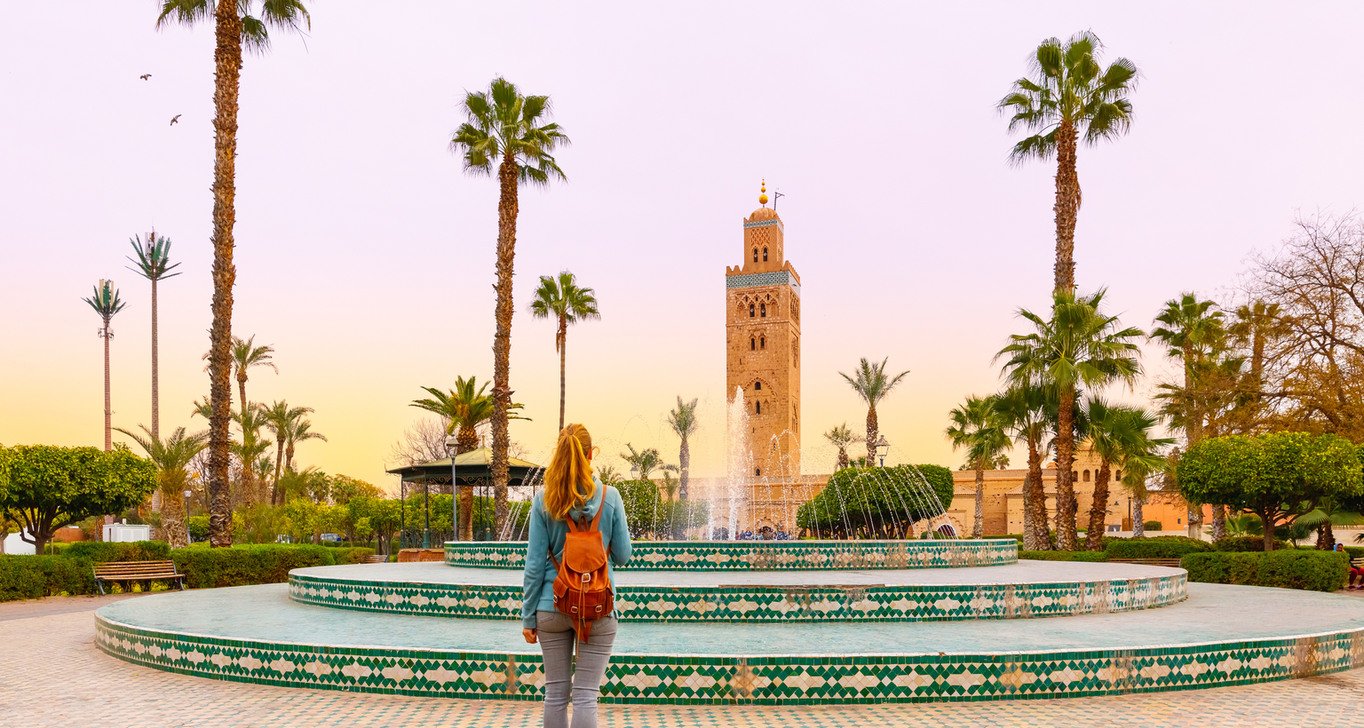
Springtime in Morocco Guided Tour: Casablanca to Marrakech
On this guided Morocco tour, experience spring from Casablanca to Marrakech through imperial cities, medinas, mountain landscapes, gardens, and waterfalls. View itinerary!
Guided Tours Visiting Casablanca
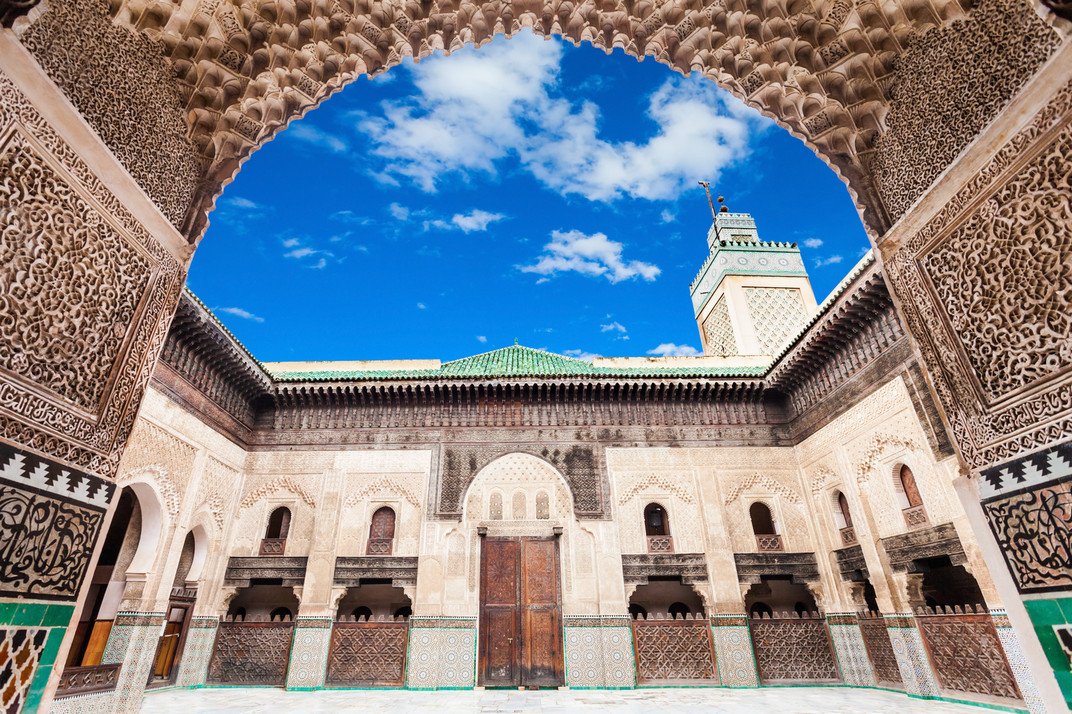
Spain & Morocco Guided Tour: Seville to Marrakech
Explore Andalusia and Morocco on a 14-day guided tour from Seville to Marrakech via Córdoba, Granada, Tangier, Chefchaouen, Fes, Rabat, and Casablanca.
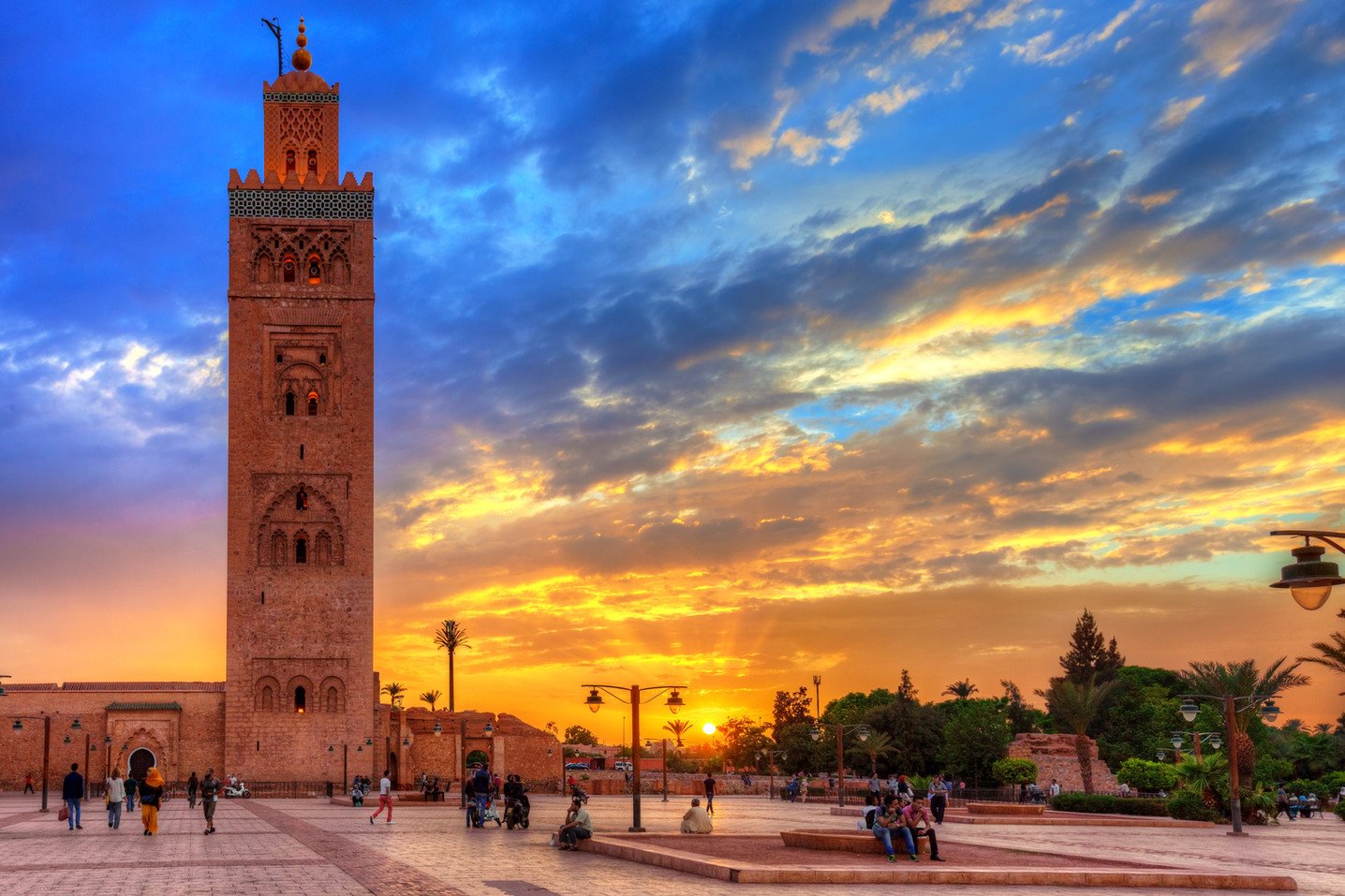
Morocco Guided Tour: Marrakech, the Atlas Mountains & Casablanca
Discover Marrakech, the High Atlas Mountains & Casablanca on a locally guided Morocco tour filled with medinas, mountain villages, Moroccan cuisine, and Atlantic-coast culture.
Plan Your Casablanca Journey
Experience the monumental Hassan II Mosque, early-20th-century Art Deco boulevards, Habous quarter, and seamless private airport transfers across Morocco.