
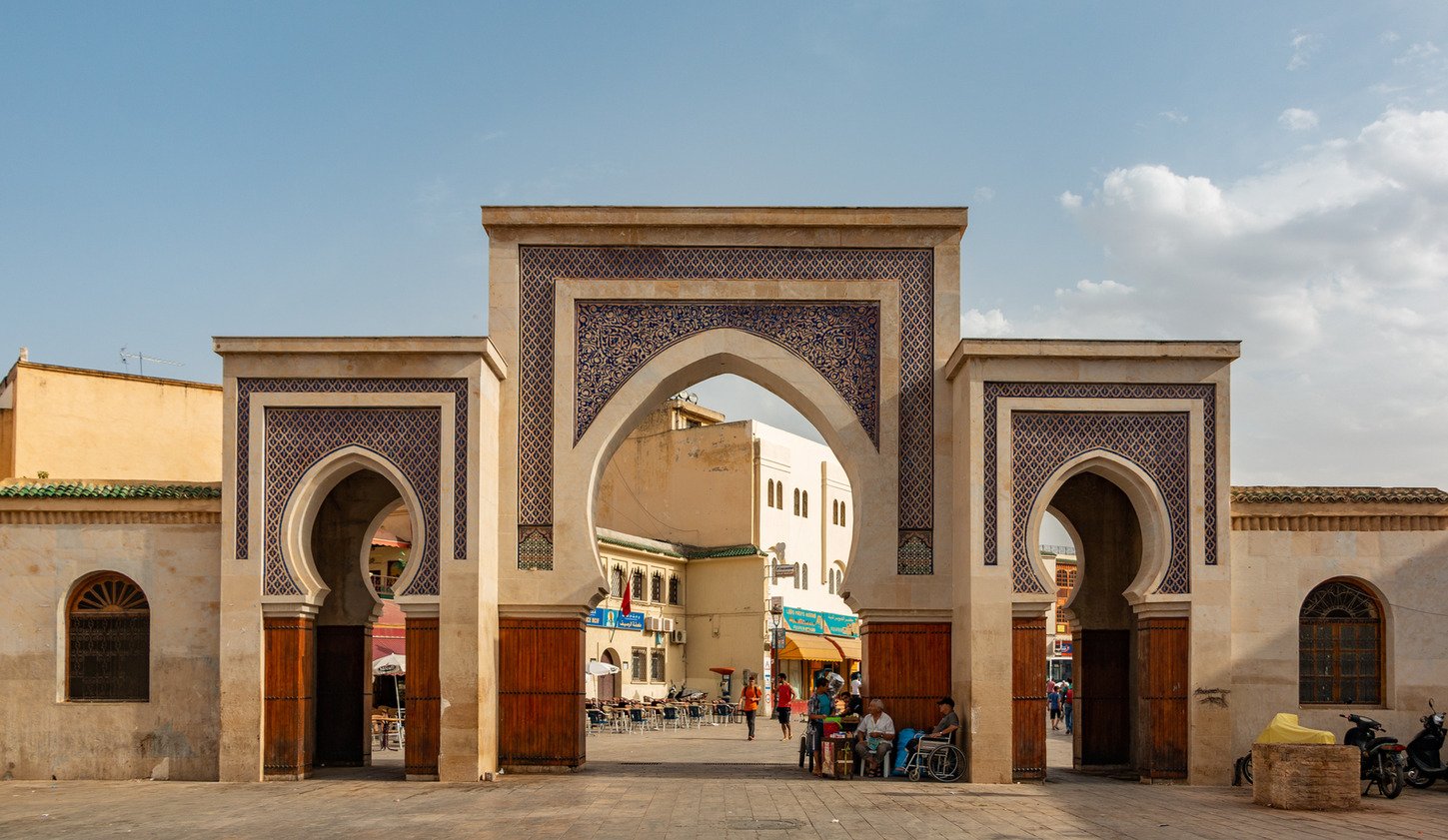
Fès
Morocco’s spiritual and cultural capital, home to the world’s oldest university and UNESCO-listed medina.
Why Go to Fès
Fès, also spelled Fez, is one of Morocco’s great imperial cities and one of the country’s most important centers of history, religion, craftsmanship and traditional culture. Its greatest attraction is Fès el-Bali, the ancient medina, where a dense network of narrow lanes leads past mosques, madrasas, fountains, workshops, souks and centuries-old houses.
The Medina of Fès is a UNESCO World Heritage Site. Founded in the 9th century, it developed into a major cultural and intellectual center and is regarded by UNESCO as one of the most extensive and best-preserved historic towns of the Arab-Muslim world. Much of its traditional urban fabric and many of its original functions have survived.
Walking through Fès feels markedly different from exploring Morocco’s newer districts. Artisans still work with leather, brass, wood, ceramics and textiles in workshops tucked into the medina. Enter through Bab Bou Jeloud, visit the famous tanneries, admire the decoration of the Bou Inania Madrasa, explore historic fondouks and museums, or simply follow the winding streets through Fès el-Bali. Morocco’s official tourism office highlights the medina, Al Quaraouiyine, the leather tanneries, Marinid Tombs, Nejjarine Museum and Jnan Sbil Garden among the city’s major attractions.
Best of Fès
Best Hotels in Fès
Fès is particularly known for riads and restored palaces, many of them hidden behind relatively modest doors inside the medina. These are notable options rather than an official ranking:
Riad Fes - Relais & Châteaux
An iconic luxury property showcasing classic Hispanic-Moorish architecture, refined Andalusian courtyards, a panoramic rooftop bar, and bespoke service inside the historic medina.
Palais Faraj
An opulent 19th-century palace perched on the south hill overlooking Fès el-Bali, featuring grand Arab-Andalusian suites, an oriental spa, and sweeping medina panoramas.
Palais AMANI
An exquisite 14-bedroom restored palace with a lush 600m² central citrus garden, authentic hammam rituals, and celebrated Fassi cooking workshops.
Hotel Sahrai
A stylish contemporary luxury hotel designed by Christophe Pillet, situated on the hills with an infinity pool overlooking the medina and an Givenchy luxury spa.
Karawan Riad
A meticulously restored 17th-century aristocratic mansion in the Andalusian quarter with seven bespoke suites, antique textiles, and serene tea salons.
Riad Laaroussa
A noble 17th-century palace built around an expansive courtyard shaded by century-old orange trees, celebrated for its warm hospitality and traditional bathhouse.
Fes Marriott Hotel Jnan Palace
A grand resort-style hotel located in the Ville Nouvelle with expansive swimming pools, gardens, and modern amenities offering easy road connectivity.
Riad Mayfez Suites & Spa Fes - Luxury Hotel Fez
A boutique jewel set in a private 1,500m² garden oasis with private suites, personalized butler care, heated swimming pool, and fine dining.
Dar Lys - Luxury Riad & Spa
An elegant oasis blending traditional Moroccan craft with modern understated luxury, featuring tranquil courtyards and dedicated wellness facilities.
Palais Chahd Luxury
A distinguished residence offering authentic palace grandeur with intricate carved stucco, cedar ceilings, and warm traditional Moroccan hospitality.
For atmosphere and easy access to historic sights, staying in or near the medina can be especially rewarding. Travelers who prefer easier road access, larger modern rooms or resort-style facilities may prefer the Ville Nouvelle and surrounding districts.
Best Things to Do in Fès
Explore the Medina of Fès el-Bali
Navigate the world’s largest contiguous car-free urban zone with its 9,000 winding alleys, ancient stone arches, brass workshops, spice souks, and hidden courtyard riads.
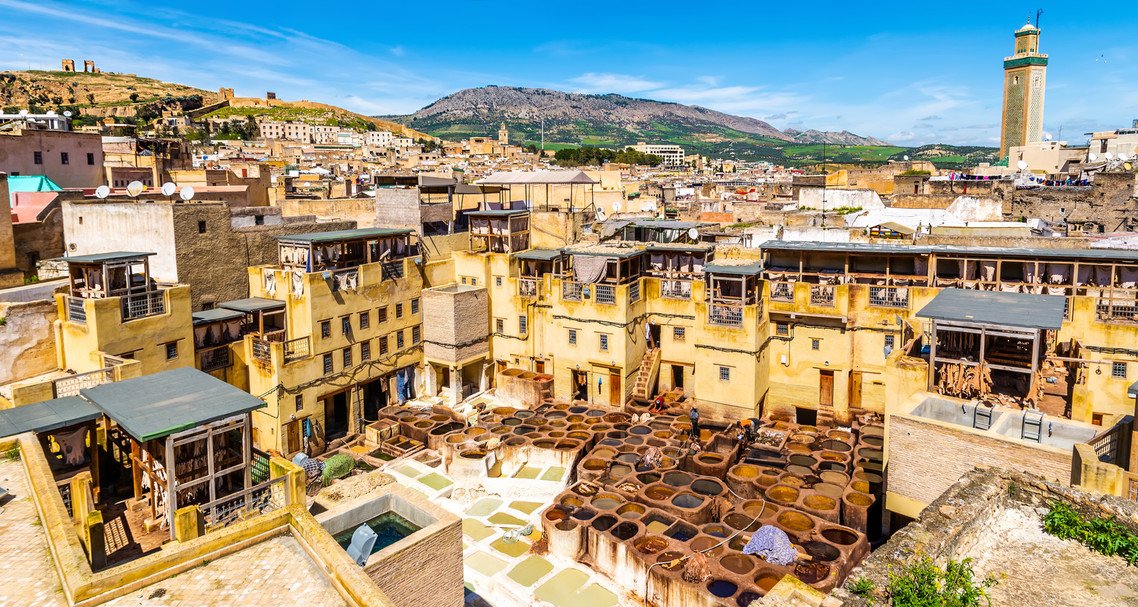
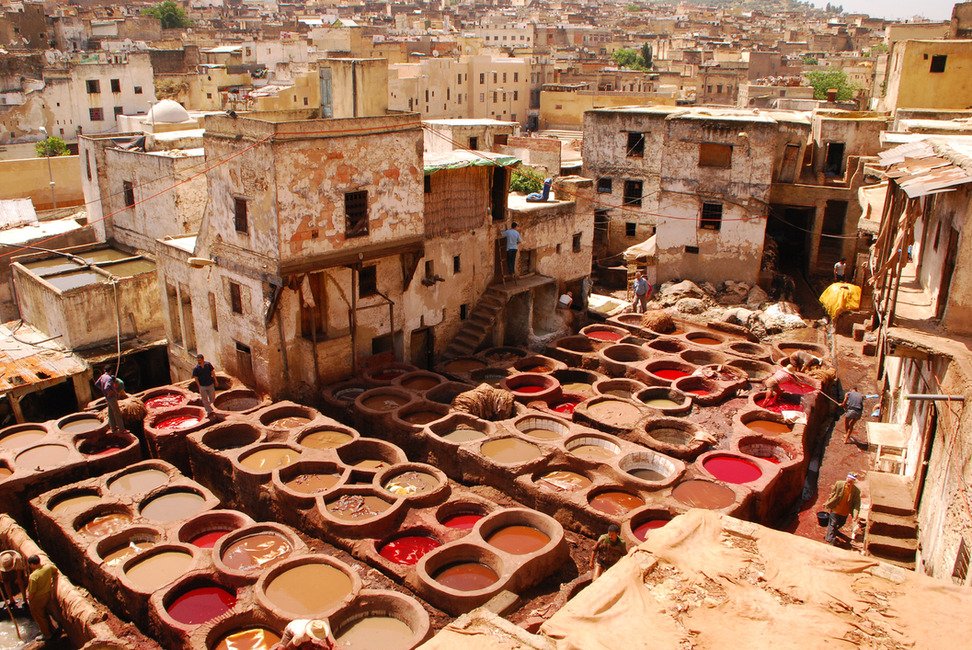
Watch the traditional work at the Chouara Tanneries
Overlook the famous 11th-century medieval stone tanning vats from surrounding leather shop terraces, where artisans cure and dye hides using centuries-old natural methods.
Admire the Bou Inania Madrasa
Step inside the premier 14th-century Marinid Islamic college, renowned for its extraordinary carved cedar woodwork, marble courtyard, water clock, and green-tiled minaret.
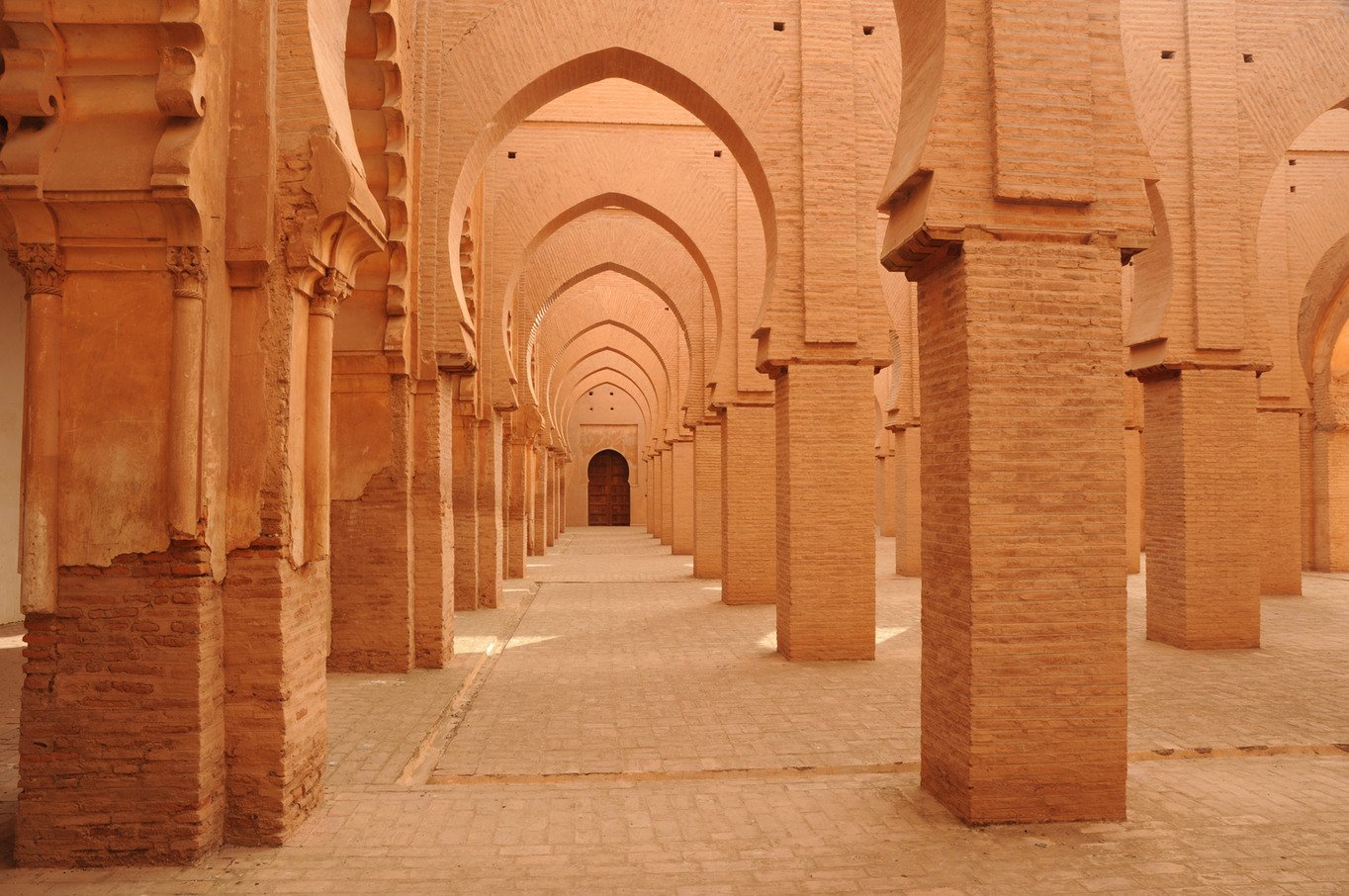
Discover Al Quaraouiyine and its historic surroundings
Admire the monumental spiritual center and oldest continually operating higher education institution in the world, founded in 859 AD by Fatima al-Fihri.
Enter the medina through Bab Bou Jeloud
Pass through the iconic "Blue Gate" of Fès, adorned with striking cobalt blue zellige on the outer façade and vibrant Islamic green tiles on the inner medina side.
Visit the Nejjarine Museum of Wooden Arts & Crafts
Marvel at the beautifully restored 18th-century fondouk (travelers’ caravanserai), showcasing intricate woodcarvings, tools, and a rooftop café overlooking the medina.
Relax in Jnan Sbil Gardens
Stroll through 7.5 hectares of peaceful royal oasis situated between Fès el-Bali and Fès el-Jdid, featuring grand fountains, shaded palm alleys, and botanical groves.
See the monumental gates of the Royal Palace and explore Fès el-Jdid
Photograph the seven dazzling brass gates of Dar al-Makhzen adorned with carved marble and zellige tilework in the 13th-century imperial district of Fès el-Jdid.
Walk through the historic Mellah
Explore the oldest Jewish quarter in Morocco, established in 1438, notable for its distinctive wooden balconies, wrought-iron windows, and Ibn Danan Synagogue.
Take in the panorama from the Marinid Tombs or Borj Nord
Ascend the hillside above the medina at dusk for an unforgettable panoramic view over the minarets, clay rooftops, and ancient ramparts of Fès el-Bali.
The Moroccan National Tourist Office specifically identifies Al Quaraouiyine, the leather tanneries, Marinid Tombs and Nejjarine Museum among the city’s most popular attractions, while Bab Bou Jeloud is one of the principal approaches to Fès el-Bali.
Fès Travel Tips
Best Months to Visit
For sightseeing, spring and autumn are generally the most comfortable periods, especially April through May and late September through October. During these months, daytime temperatures are usually much easier for walking through the medina than in midsummer.
Fès has a more continental climate than Morocco’s Atlantic coastal cities. Winters can be cool and wet, particularly at night, while summers are hot and very dry. Climate averages from the Fes-Sais weather station show highs around 61°F (16°C) in January and about 95°F (35°C) in July and August.
July and August can therefore be challenging for travelers who want to spend entire days walking outdoors. If visiting in summer, plan major sightseeing for the morning and late afternoon and take a longer break during the hottest part of the day.
For comprehensive season-by-season planning, consult our guide on the best time to visit Morocco.
Weather in Fès
Average Temperature (°F)
Cool winter days (61°F–64°F), pleasant spring/autumn months (68°F–81°F), and hot dry summers (95°F).
Average Precipitation (in)
Moderate rainfall during winter and spring (2.1–2.57 in) with minimal rain during summer months.
| Month | Average High (°F) | Average Low (°F) | Precipitation (in) |
|---|---|---|---|
| Jan | 61°F | 39°F | 2.33 in |
| Feb | 64°F | 41°F | 2.13 in |
| Mar | 68°F | 45°F | 2.1 in |
| Apr | 72°F | 48°F | 2.19 in |
| May | 81°F | 54°F | 1.41 in |
| Jun | 88°F | 59°F | 0.53 in |
| Jul | 95°F | 64°F | 0.07 in |
| Aug | 95°F | 66°F | 0.47 in |
| Sep | 88°F | 61°F | 0.97 in |
| Oct | 79°F | 55°F | 1.87 in |
| Nov | 68°F | 46°F | 2.57 in |
| Dec | 63°F | 41°F | 2.43 in |
These figures are based on historical weather reports collected at Fes-Sais for 1992–2021. They are climate averages, not forecasts; actual conditions can vary significantly from year to year.
What You Need to Know
- Learn a little Darija. Morocco’s official languages are Arabic and Amazigh, while French is also widely spoken and understood. Moroccan Arabic, or Darija, is the principal everyday spoken form of Arabic. Useful expressions include “Salam” for hello, “Chokran” for thank you, “Beslama” for goodbye and “Bch’hal?” when asking how much something costs.
- Expect to walk. Much of Fès el-Bali is best explored on foot. Wear comfortable shoes because the streets can be steep, uneven and crowded.
- The medina really is a maze. Routes that look straightforward on a map can become confusing once you are among the alleys, covered markets and passages. A reputable local guide can be particularly useful on your first day.
- Bargaining is normal in many souks. Prices for handicrafts and souvenirs are often negotiable. Bargain politely and decide what you are willing to pay before getting too far into the discussion.
- Carry Moroccan dirhams. The official currency is the Moroccan dirham (MAD). Cards are accepted in many larger hotels and establishments, but cash remains particularly useful in the medina and smaller businesses.
How to Save Money in Fès
- Eat at small local restaurants. Traditional cafés and neighborhood restaurants can be considerably less expensive than upscale riad restaurants while still serving excellent Moroccan food.
- Walk between medina attractions. Many of Fès’s most important sights are close together inside Fès el-Bali, so you can spend much of the day exploring without needing transportation.
- Stay in a simple riad or guesthouse. Fès has accommodations at many price levels, and smaller traditional properties can offer considerable character without luxury-hotel prices.
- Use public trains between cities. Morocco’s ONCF rail network connects Fès with cities including Casablanca and Rabat, making it easy to visit nearby Meknes, Oujda and other destinations. Current fares and timetables should be checked before traveling because schedules can change.
Culture & Customs
Fès has a particularly strong reputation as a center of Moroccan religious, intellectual and artisanal life. Its medina has preserved architectural traditions and craft skills developed over many centuries, with Andalusian, Oriental and African influences all contributing to the city’s character.
Arabic and Amazigh are Morocco’s official languages, while French is commonly understood. Darija is widely used in daily conversation. Trying a few local words is appreciated, particularly when greeting shopkeepers, restaurant staff or people you meet in the medina.
Fès is culturally more traditional than some Moroccan resort destinations. Visitors do not need to adopt Moroccan clothing, but relatively modest dress is respectful, particularly when exploring religious and historic neighborhoods. Shoulders and knees covered is a useful general standard when visiting culturally sensitive places.
During Ramadan, Muslim residents fast between dawn and sunset and daily schedules can change. Some restaurants and businesses may operate different hours, while evenings can become especially lively after the fast is broken.
Fès is also one of Morocco’s great centers of craftsmanship. Leatherwork is especially famous, but the city is also associated with ceramics, blue-and-white pottery, carved wood, brass and copperware, embroidery, textiles and intricate zellige tilework. Morocco’s tourism office emphasizes the continued importance of crafts within the medina.
What to Eat
Food is an important part of the Fès experience, and the city has long been associated with sophisticated Moroccan cooking. One dish particularly worth trying here is pastilla, a crisp pastry combining sweet and savory flavors, traditionally filled with poultry and almonds and seasoned with spices.
Morocco’s official tourism site even highlights chicken pastilla as one of the essentials of visiting Fès.
Other dishes to look for include tagine, couscous, mechoui and r’fissa. Moroccan cooking brings together Amazigh, Arab-Andalusian and Jewish culinary traditions and makes extensive use of ingredients such as cinnamon, cumin, coriander, saffron, preserved lemon, olives and dried fruits.
For something sweet, try cornes de gazelle, briouates, ghriba and other Moroccan pastries. Mint tea accompanies everything from breakfast to shopping negotiations and remains one of the country’s most recognizable traditions of hospitality.
Inside the medina, you will find everything from very simple food stalls to sophisticated restaurants inside restored riads. For a fuller introduction to Fassi cuisine, a cooking class or guided food tour can also be worthwhile.
Safety
Fès is accustomed to international visitors, but travelers should pay close attention to their belongings in crowded parts of the medina. The U.S. State Department warns that petty crime and pickpocketing are common in Morocco’s tourist areas, souks and public transportation. Keep phones and wallets secure and avoid carrying valuables in easily accessible pockets.
Be cautious with people who approach you offering unsolicited guiding services or insisting that a street is closed and that they can show you another route. Not everyone offering help is attempting a scam, but it is sensible to use licensed or prearranged guides and to be cautious with overly persistent strangers.
As of the latest U.S. State Department information available in August 2026, Morocco is at Level 2: Exercise Increased Caution, specifically because of terrorism concerns. Visitors are advised to remain alert in tourist areas and avoid demonstrations and crowds.
Because advisories can change, travelers should always check their own government’s current guidance immediately before departure.
Getting Around Fès
The best way to experience Fès el-Bali is on foot. Much of the historic medina consists of narrow lanes where regular vehicle access is limited or impractical. Walking is not simply transportation here; it is a major part of the experience.
For trips between the medina, Ville Nouvelle, railway station and other parts of the city, taxis are practical. Agree on or confirm how the fare will be calculated before beginning the journey, and use registered taxis.
Travelers arriving by plane use Fès-Saïss Airport, which has passenger services including taxis, currency exchange, internet access and car rental facilities.
Fès is also well connected by rail. Morocco’s national railway operator, ONCF, operates services linking Fès to other major destinations. Direct travel options include Casablanca, while routes also connect Fès with destinations such as Oujda and Nador.
The railway station is outside the historic medina, so travelers staying in Fès el-Bali will normally need a taxi between the station and the nearest accessible point to their riad.
Entry & Exit Requirements
For U.S. citizens, the current State Department guidance says a tourist visa is not required for visits of 90 days or less. Travelers need a valid passport and at least one blank passport page. Current U.S. guidance also specifies that passports should have at least six months’ validity at the time of entry.
Travelers staying more than 90 days need to address their immigration status with Moroccan authorities; overstaying without obtaining an extension can create problems when leaving the country.
Visitors of other nationalities should check Morocco’s entry rules for their particular passport, since visa requirements differ by citizenship. Because passport, customs and visa regulations can change, always confirm the requirements with an official government source shortly before travel.
Fes Guided Tours

4-Day Fes to Merzouga Guided Desert Tour
Roundtrip guided desert journey from Fes through the Middle Atlas, Ziz Valley, and Erg Chebbi dunes.
Guided Tours Visiting Fes

7-Day Morocco Imperial Cities Guided Tour
Discover Morocco’s imperial cities on a 7-day journey beginning and ending in Casablanca.

10-Day Morocco Grand Guided Tour
The ultimate guided 10-day journey from Casablanca to Marrakech via Chefchaouen, Fes, Merzouga Sahara, and High Atlas.
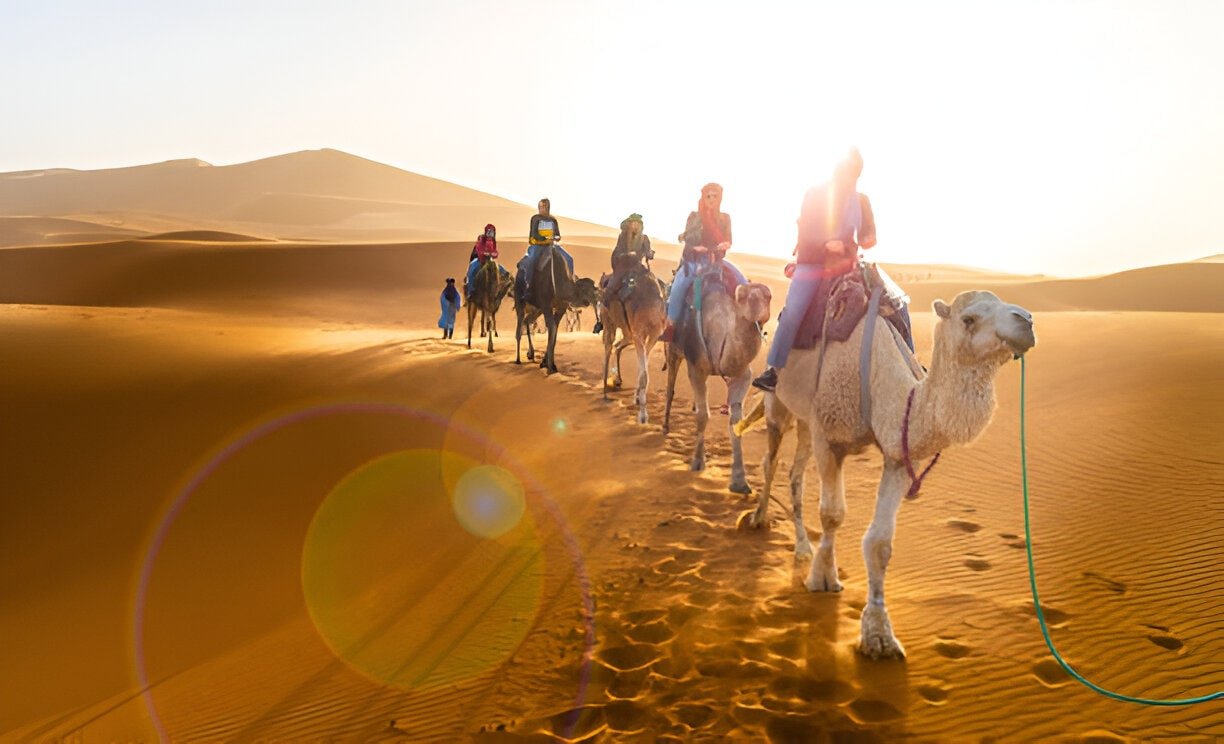
5-Day Marrakech to Fes Guided Desert Expedition
A 5-day one-way desert expedition from Marrakech to Fes through Ait Ben Haddou, Dades, Todra Gorge, and Erg Chebbi with two desert camp nights.

14-Day Ultimate Morocco Guided Grand Discovery
An extraordinary 14-day guided grand journey from Tangier to Marrakech via Chefchaouen, Fes, Merzouga Sahara, Ait Ben Haddou, and Essaouira.
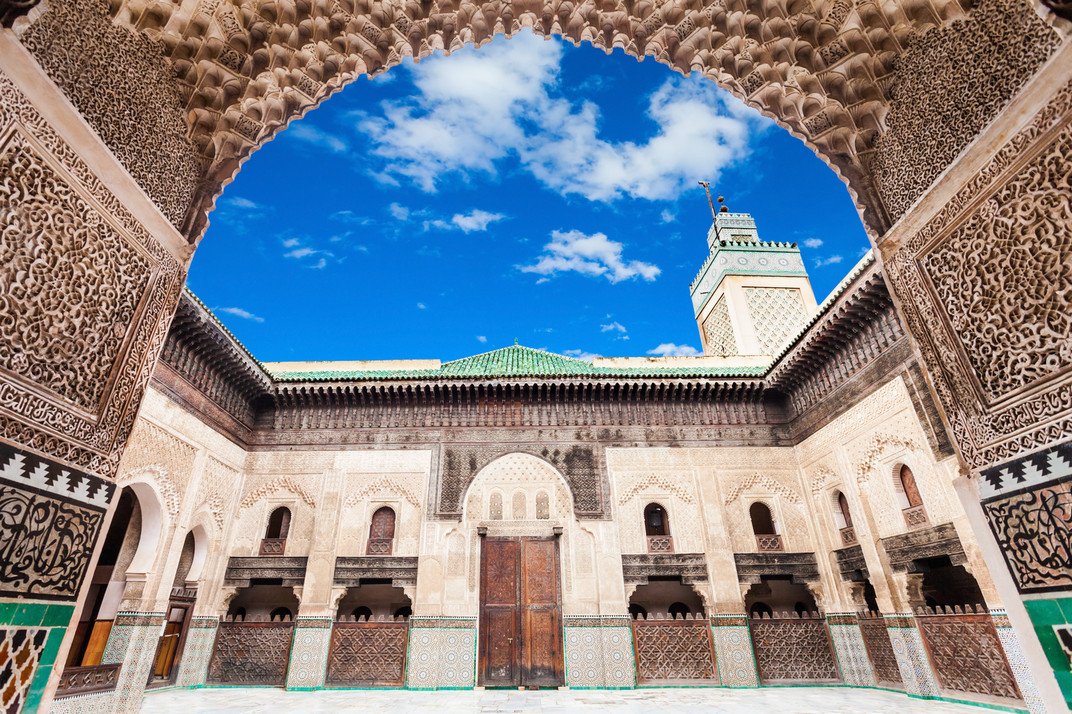
Spain & Morocco Guided Tour: Seville to Marrakech
Explore Andalusia and Morocco on a 14-day guided tour from Seville to Marrakech via Córdoba, Granada, Tangier, Chefchaouen, Fes, Rabat, and Casablanca.
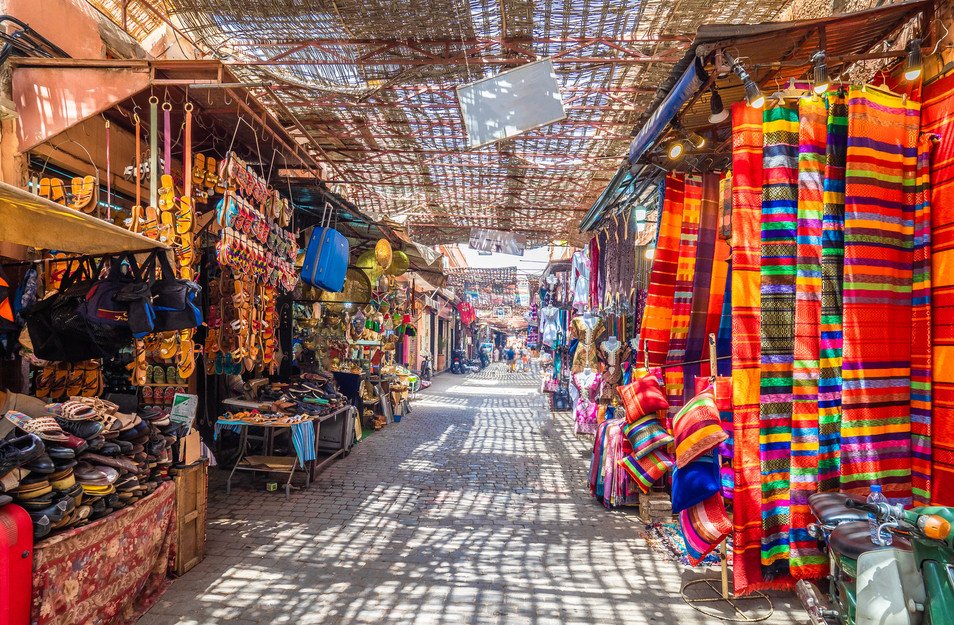
Morocco for Women Guided Tour: Marrakech, Essaouira & Fes
Connect with other women travelers on a guided journey through Marrakech, Essaouira, and Fes, with women-centered cultural experiences, local artisans, and Moroccan traditions.
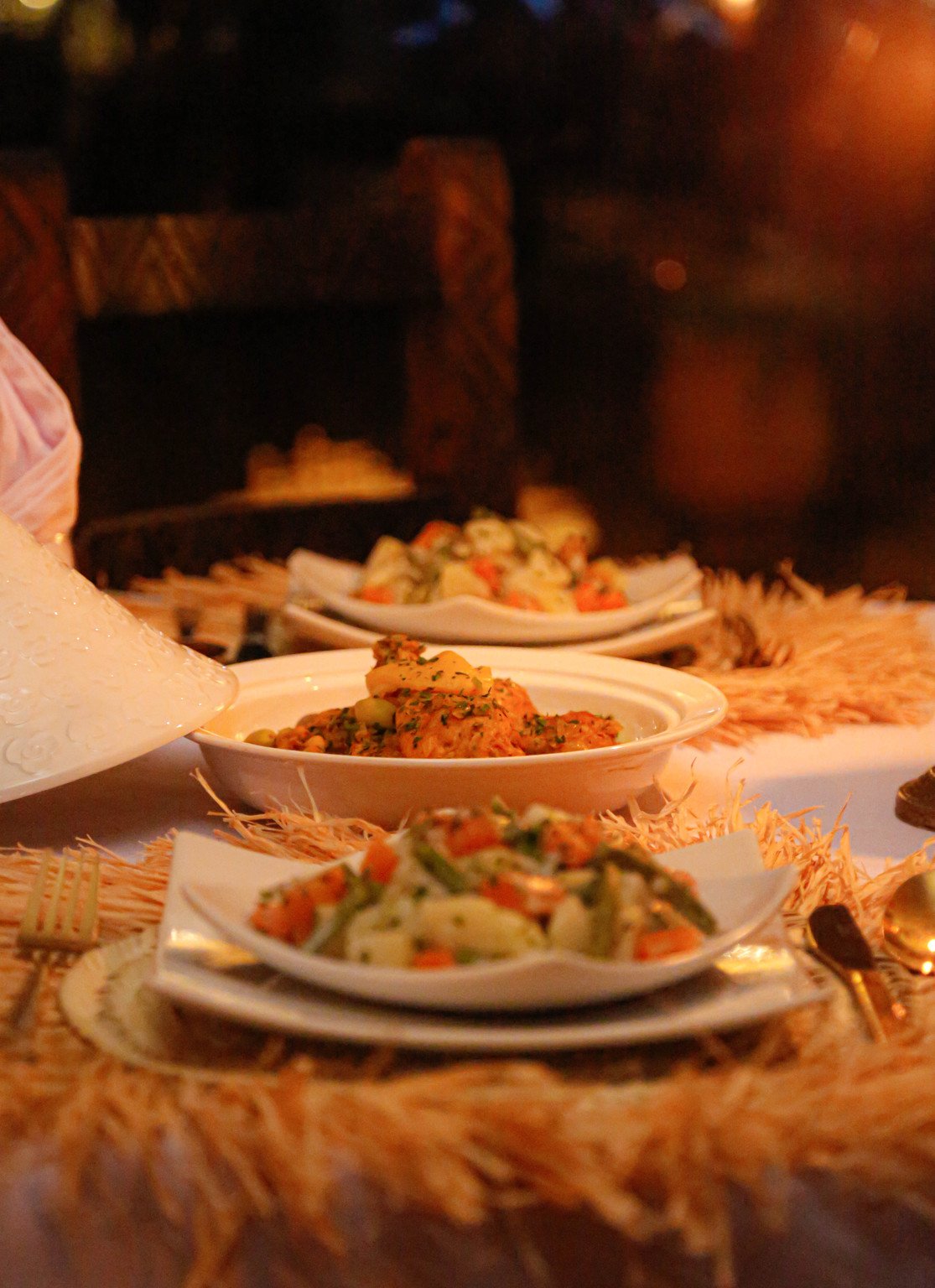
Food of Morocco Guided Tour: Marrakech, Fes & the Atlas Mountains
Taste Morocco’s culinary traditions on a guided food tour through Marrakech, Fes & the Atlas Mountains. Explore souks, cooking classes, tea rituals, village kitchens, and more.
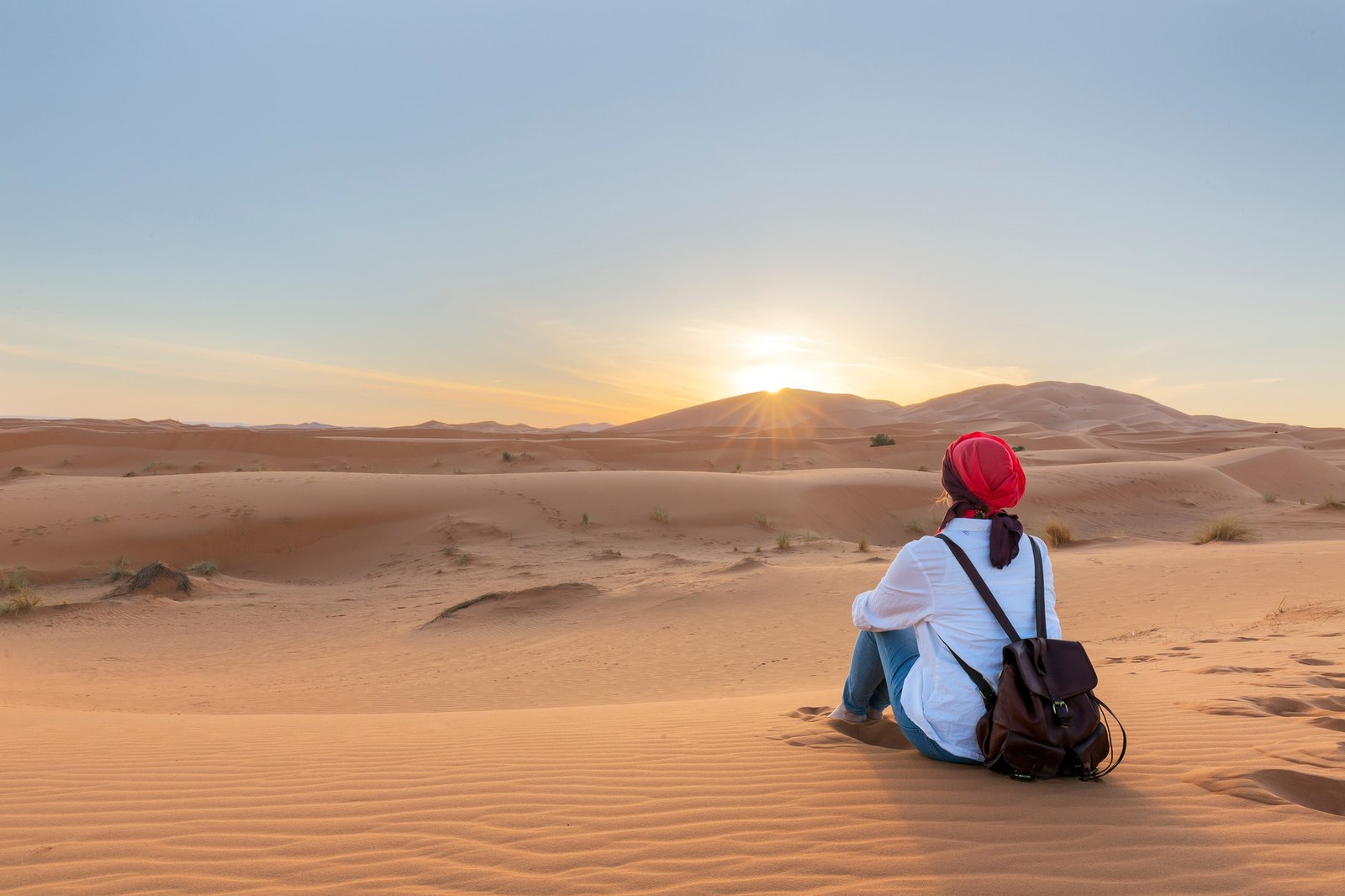
Morocco for Solo Travelers Guided Tour: Marrakech, the Sahara & Fes
Explore Marrakech, cross the Atlas Mountains, experience the Sahara, and discover Fes on a small guided group journey created for solo travelers.
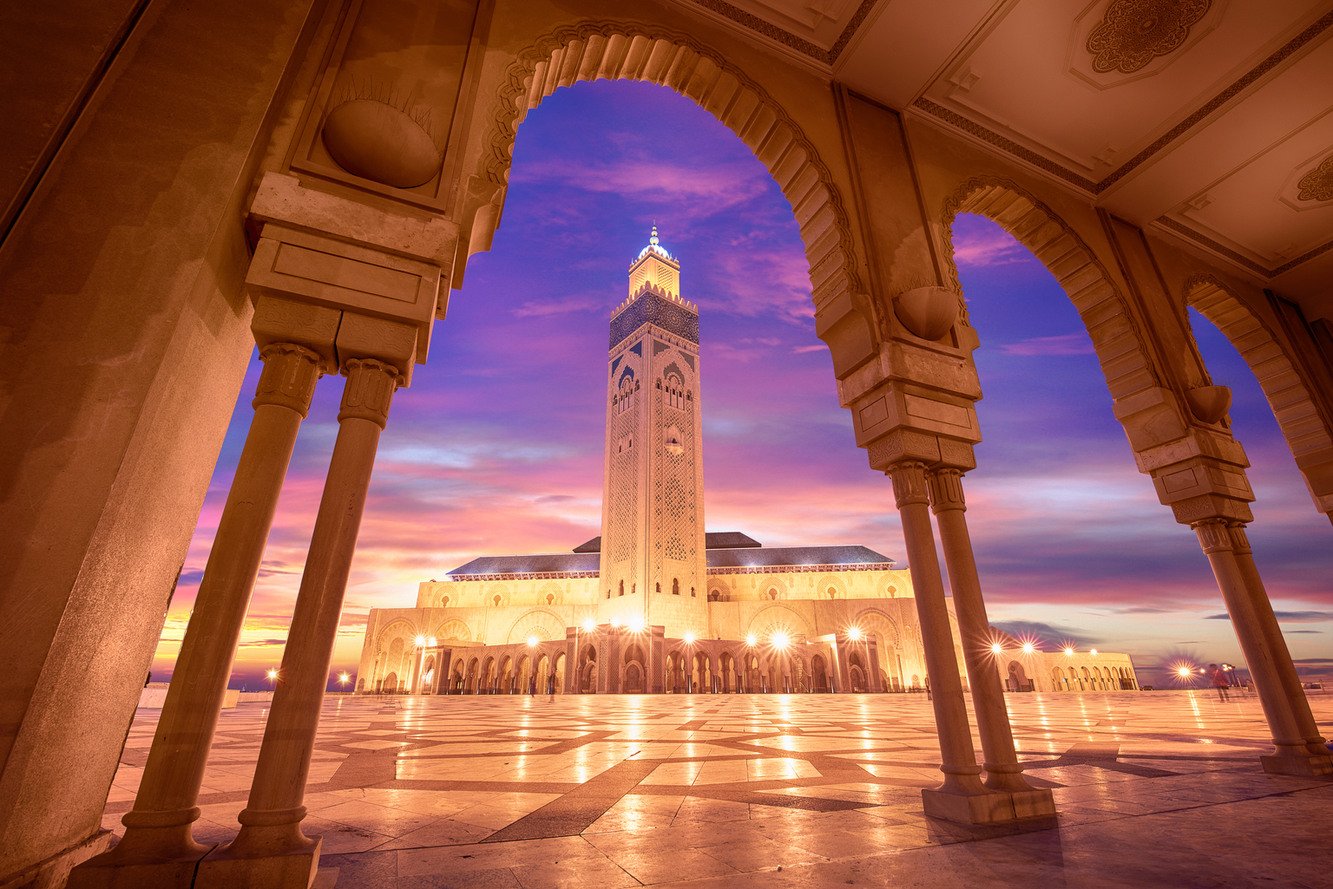
Highlights of Morocco Guided Tour: Casablanca to Marrakech
Discover Morocco from Casablanca to Marrakech on a guided journey through imperial cities, ancient medinas, Atlas landscapes, artisan quarters, and celebrated cultural landmarks.
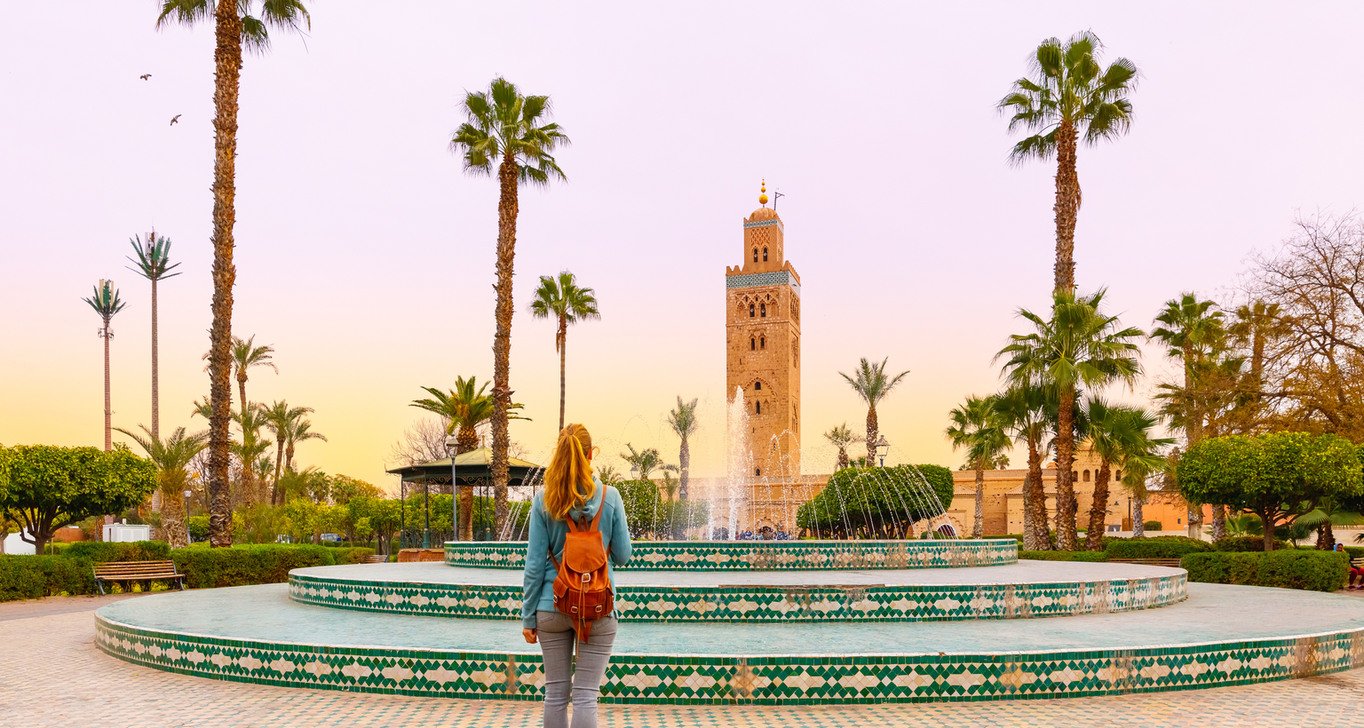
Springtime in Morocco Guided Tour: Casablanca to Marrakech
On this guided Morocco tour, experience spring from Casablanca to Marrakech through imperial cities, medinas, mountain landscapes, gardens, and waterfalls. View itinerary!
Plan Your Journey to Fès
Experience the living history, artisan workshops, and spiritual legacy of Fès el-Bali with a private licensed guide and tailored desert connections to Merzouga or Marrakech.