
Rabat
Set beside the Atlantic Ocean and the Bou Regreg River, Rabat is Morocco’s refined diplomatic capital—where 12th-century Almohad fortifications and serene Andalusian gardens harmoniously meet early-20th-century modern architecture.
Why Go to Rabat
Set beside the Atlantic Ocean and the Bou Regreg River, Rabat is Morocco's capital and one of its four historic imperial cities. It combines royal monuments, medieval fortifications and a traditional medina with broad avenues, museums, landscaped gardens and architecture created during Morocco's early-20th-century modernization. Morocco's National Tourism Office presents Rabat as a cultural capital rich in monuments, museums, festivals and green spaces.
Rabat's unusual combination of old and new is internationally recognized. “Rabat, Modern Capital and Historic City: a Shared Heritage” was inscribed on UNESCO's World Heritage List in 2012. The protected area includes both older monuments dating from the 12th century and the modern city developed under the French Protectorate from 1912 into the 1930s. UNESCO describes the city as the result of an exchange between the Arabo-Muslim past and Western modernism.
Among Rabat's signature sights are the Kasbah of the Udayas, Hassan Tower, Mausoleum of Mohammed V and Chellah, while the Mohammed VI Museum represents the city's contemporary cultural side. Rabat also has Atlantic beaches, gardens and a riverfront facing the neighboring city of Salé.
Compared with Marrakech, Fès, or the imperial city of Meknes, Rabat generally feels less dominated by tourism. That makes it particularly appealing to travelers who want major Moroccan heritage sites while also experiencing the daily rhythm of a functioning national capital.
Best of Rabat
Best Hotels in Rabat
Rabat offers historic palace hotels, modern international properties and smaller boutique stays. These are notable options rather than an official ranking:
Four Seasons Hotel Rabat at Kasr Al Bahr
An oceanfront palace sanctuary set within a restored 18th-century royal summer estate and military hospital, featuring seaside gardens and premier dining.
The Ritz-Carlton Rabat, Dar Es Salam
An opulent palace retreat nestled amidst 440 hectares of oak forest and championship golf greens in the tranquil Souissi district.
Sofitel Rabat Jardin des Roses
A luxury property surrounded by 7 hectares of manicured Andalusian gardens and over 3,000 rose bushes in the diplomatic quarter.
La Tour Hassan Palace
A historic flagship palace hotel built in 1912 exemplifying pure Hispano-Moorish architectural elegance in the central Hassan district.
Fairmont La Marina Rabat-Salé
A modern luxury haven positioned across the riverbank in Salé, offering panoramic vistas of the Bou Regreg estuary and the Kasbah of the Udayas.
The View Rabat
A sophisticated contemporary high-rise located in vibrant Agdal, celebrated for panoramic city panoramas and fine gastronomy.
Rabat Marriott Hotel
A sleek, full-service upscale urban hotel near the national library and Agdal railway station, pairing modern style with Moroccan hospitality.
Le Diwan Hotel Rabat – MGallery Collection
A boutique luxury hotel in central Rabat combining Moroccan craftsmanship with French Art Deco refinement.
Villa Mandarine
A peaceful boutique estate nestled inside a 3-hectare orange grove in the Souissi residential quarter, renowned for its intimate charm.
STORY Rabat Boutique Hôtel & Spa
An intimate, design-forward luxury boutique hotel in Souissi inspired by the legacy of legendary traveler Ibn Battuta.
Best Things to Do in Rabat
Morocco's tourism office identifies the Mohammed V Mausoleum and Mohammed VI Museum among Rabat's essential experiences, while UNESCO's World Heritage designation encompasses the Udayas, Hassan complex, Chellah, medina and important parts of the 20th-century new town.
Explore the Kasbah of the Udayas
Wander the peaceful white-and-blue alleys of this 12th-century Almohad cliffside citadel overlooking the Atlantic Ocean and Bou Regreg estuary.
Visit Hassan Tower and the Mausoleum of Mohammed V
Stand before the unfinished 12th-century red sandstone minaret and pay respects at the white Italian marble royal mausoleum guarded by royal cavalry.
Wander through the archaeological site of Chellah
Explore the atmospheric fortified necropolis blending ancient Roman Sala Colonia ruins with medieval Marinid mosques, minarets, and nesting storks.
Explore Rabat's historic Medina
Stroll the relaxed 17th-century Andalusian-built medina along Rue Souika and Rue des Consuls, famed for leather goods, embroidery, and handmade carpets.
Visit the Mohammed VI Museum of Modern and Contemporary Art
Discover Morocco’s premier modern art institution housed in a neo-Moorish palace showcasing modern and contemporary Moroccan masters.
Walk through the Andalusian-style gardens around the Udayas
Relax beneath shady date palms, orange trees, and bougainvillea blossoms in the peaceful walled garden created during the French Protectorate.
See Bab Rouah and Rabat's historic walls
Admire the monumental 12th-century "Gate of the Winds" carved from golden calcarenite stone, now hosting rotating fine art exhibitions.
Relax in the Jardin d'Essais Botaniques
Walk the shaded avenues of this 17-hectare experimental botanical park established in 1914, housing over 600 rare tropical and Mediterranean plant species.
Walk along the Bou Regreg waterfront and Atlantic coast
Take an evening promenade along the revitalized riverfront esplanade, with views of traditional wooden rowboats crossing between Rabat and Salé.
Explore the monumental avenues and architecture of the modern capital
Admire the early-20th-century planned Ville Nouvelle featuring Avenue Mohammed V, Parliament, Bank Al-Maghrib, and wide landscaped esplanades.
Rabat Travel Tips
Best Months to Visit
Rabat's Atlantic-influenced Mediterranean climate makes it relatively comfortable throughout the year. For most travelers, April through June and September through October provide an especially good balance of warm temperatures, long daylight hours and relatively low rainfall. Historical climate data show average daytime highs rising from about 70°F (21°C) in April to 81°F (28°C) in September.
July and August are warm and extremely dry, but Rabat's ocean influence generally keeps summer temperatures more moderate than in Marrakech or Fès. Average maximum temperatures are about 84°F (29°C) in July and 85°F (30°C) in August.
Winter remains mild enough for sightseeing, although November through March bring most of the year's rain. January's average maximum is approximately 62°F (17°C), with an average minimum around 48°F (9°C). Learn more in our guide on the Best Time to Visit Morocco.
Weather in Rabat
Average Temperature (°F)
Monthly average high and low daytime temperatures in Rabat.
Average Precipitation (in)
Historical average monthly rainfall in inches across the calendar year.
| Month | Average High (°F) | Average Low (°F) | Precipitation (in) |
|---|---|---|---|
| Jan | 62° | 48° | 2.5 in |
| Feb | 63° | 48° | 2 in |
| Mar | 67° | 52° | 2 in |
| Apr | 70° | 54° | 1.7 in |
| May | 75° | 59° | 1.1 in |
| Jun | 81° | 64° | 0.2 in |
| Jul | 84° | 67° | 0.1 in |
| Aug | 85° | 68° | 0.1 in |
| Sep | 82° | 66° | 0.7 in |
| Oct | 77° | 62° | 1.9 in |
| Nov | 68° | 55° | 2.8 in |
| Dec | 64° | 50° | 2.4 in |
What You Need to Know
- Rabat is easier to navigate than Morocco's largest cities. Many central sights can be combined on foot, while the tramway makes longer journeys straightforward.
- Don't skip the modern city. Rabat's UNESCO status is unusual because it recognizes both historic monuments and the planned 20th-century capital.
- Allow time for Chellah. It is more than a single monument: the site brings together archaeological remains and later Islamic architecture within a fortified landscape.
- Carry Moroccan dirhams. Cards are common in hotels and larger businesses, but cash remains useful in the medina, markets, cafés and taxis. Check our Packing List for Morocco for essential essentials.
- Use the tramway. A current single ticket costs 7 MAD and permits travel across the network for one hour from the first validation, including transfers between lines.
- Learn a few words of Moroccan Arabic. “Salam” is a useful greeting and “Chokran” means thank you.
How to Save Money in Rabat
- Use public transport. The Rabat–Salé tramway connects numerous central districts and cultural sites and is considerably cheaper than relying on taxis throughout the day.
- Walk between central attractions. The medina, Udayas, Hassan district and parts of the waterfront can be explored in combinations on foot.
- Eat at local cafés and bakeries. Neighborhood restaurants usually cost less than hotel dining and waterfront venues.
- Use trains for intercity travel. Rabat is integrated into Morocco's ONCF railway network, with connections including Al Boraq and Al Atlas services.
- Enjoy the city's public spaces. Walking the medina, riverfront, gardens and modern boulevards can fill much of a day without major entrance costs. See our advice on How Many Days Do You Need in Morocco?
Culture & Customs
Rabat's identity reflects its dual role as an historic imperial city and contemporary national capital. The UNESCO-listed urban landscape deliberately brings together Almohad-era monuments, the medina and Udayas with administrative neighborhoods, gardens and avenues created during the early 20th century.
The city also has an active museum and arts scene. The Mohammed VI Museum of Modern and Contemporary Art is one of the capital's leading cultural institutions, and Morocco's tourism office highlights Rabat's museums as a central part of the visitor experience.
Traditional craftsmanship remains important as well. Rabat is particularly associated with handmade carpets, while nearby Salé has strong traditions in pottery, metalwork and weaving. Morocco's tourism office highlights Rabat carpets for their detailed patterns and traditional hand-knotting techniques.
Arabic and Amazigh are Morocco's official languages, with Moroccan Arabic widely used in daily conversation and French commonly heard in government, business and tourism.
Relatively modest clothing is appropriate around religious and traditional sites. During Ramadan, many residents fast between dawn and sunset, business hours can change and restaurants may operate differently during the day.
What to Eat
Rabat offers a broad introduction to Moroccan cuisine, from inexpensive neighborhood eateries and medina cafés to sophisticated contemporary restaurants.
Look for classic dishes such as tagine, couscous, pastilla, mrouzia and r'fissa. Morocco's official tourism authority describes these among the country's emblematic dishes and notes that Moroccan cuisine combines Amazigh, Arab-Andalusian and Jewish culinary traditions.
Because Rabat sits directly on the Atlantic, fish and seafood are also natural choices. Grilled fish, seafood tagines and fried fish are commonly found alongside traditional meat and vegetable dishes.
Other staples worth trying include harira, Moroccan salads, grilled meats, olives, fresh breads and pastries. For dessert or a snack, look for almond pastries, ghriba and cornes de gazelle.
And, as throughout Morocco, mint tea is much more than a drink. It is closely connected with everyday hospitality and social life; Morocco's tourism office lists mint tea alongside tagine, couscous and pastilla among the country's defining culinary experiences.
Safety
Rabat is a major city, so standard urban precautions are sensible. Keep phones, wallets and passports secure in busy streets, markets and transport areas, and avoid leaving valuables unattended. U.S. State Department guidance notes pickpocketing, purse-snatching and other opportunistic theft among the more frequently reported crime concerns in Morocco's cities and tourist areas.
For transportation, the State Department specifically notes that Rabat's petit taxis are blue and recommends using taxis when moving through unfamiliar areas at night. Trains are generally considered safe, though theft can occur.
As of August 2026, Morocco remains at U.S. Travel Advisory Level 2: Exercise Increased Caution due to terrorism. The advisory warns that potential targets can include tourist locations, transport hubs, markets and government facilities and recommends avoiding demonstrations and crowds.
Travel guidance can change, so visitors should check their own government's latest advisory shortly before departure.
Getting Around Rabat
Central Rabat is well suited to a combination of walking, tramway and taxis. The medina and Udayas are most enjoyable on foot, while the Hassan district, Agdal and other areas are easier to reach with public transport.
The Rabat–Salé Tramway links the two cities across the Bou Regreg. A single fare currently costs 7 MAD, remains valid for one hour after first validation and allows transfers between lines. Tickets can be purchased through the Tram Mobile application, kiosks, vending machines and authorized retailers.
The tram network also serves several visitor-oriented cultural destinations. Its official tourism information lists stops for institutions including the National Library, archaeological museum, Mohammed V Theatre and Villa des Arts.
Rabat is one of Morocco's important railway cities. Rabat Ville and Rabat Agdal provide access to ONCF services, making rail convenient for onward journeys. ONCF currently advertises Al Boraq travel between Rabat and Tangier as well as Al Atlas services between Rabat and Fès; schedules should be checked before travel. You can also connect to Casablanca in less than an hour via high-speed and express rail.
Air travelers use Rabat–Salé Airport (RBA). Morocco's national airport authority lists taxi and bus services, car rental, currency exchange, internet and medical assistance among the facilities available at the airport.
Entry & Exit Requirements
Rabat follows the same immigration requirements as the rest of Morocco.
For U.S. citizens, current State Department information states that a passport must have at least six months of validity at the time of entry and at least one blank page. A tourist visa is not required for stays under 90 days.
Travelers who remain in Morocco for more than 90 days without obtaining an extension may need to resolve their immigration status before departure and can be required to appear before a judge.
Travelers of other nationalities should check the requirements applicable to their own passport. Visa and entry rules can change, so they should be reconfirmed with an official Moroccan government or consular source shortly before travel.
Guided Tours Visiting Rabat

7-Day Morocco Imperial Cities Guided Tour
Discover Morocco’s imperial cities on a 7-day journey beginning and ending in Casablanca.

10-Day Morocco Grand Guided Tour
The ultimate guided 10-day journey from Casablanca to Marrakech via Chefchaouen, Fes, Merzouga Sahara, and High Atlas.
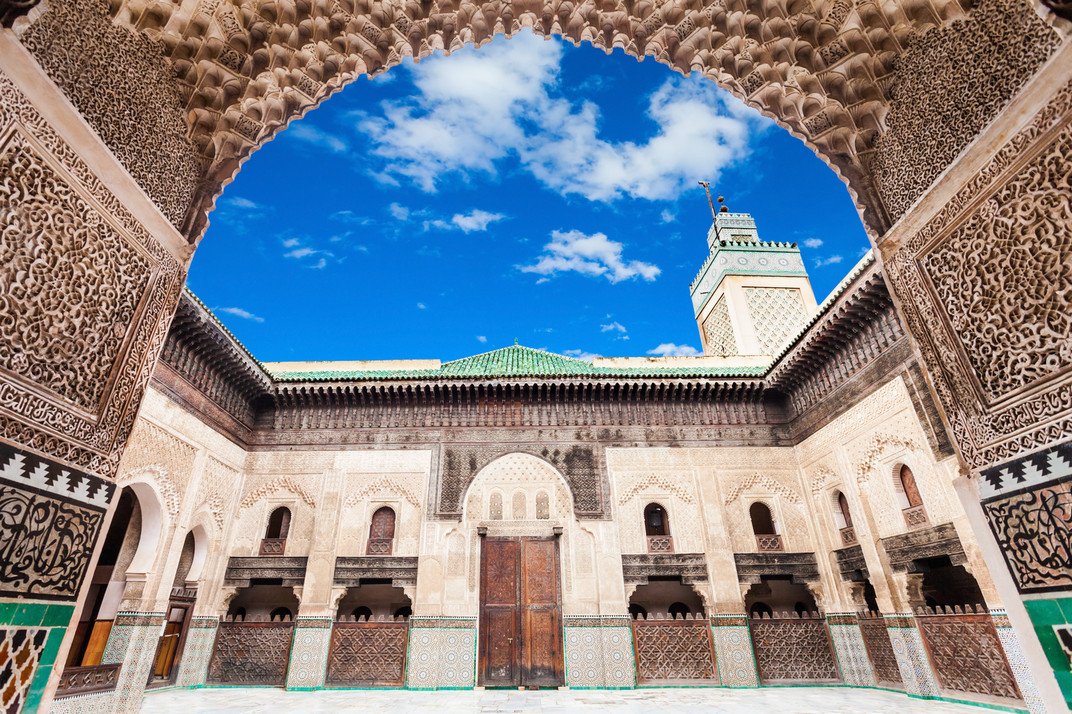
Spain & Morocco Guided Tour: Seville to Marrakech
Explore Andalusia and Morocco on a 14-day guided tour from Seville to Marrakech via Córdoba, Granada, Tangier, Chefchaouen, Fes, Rabat, and Casablanca.
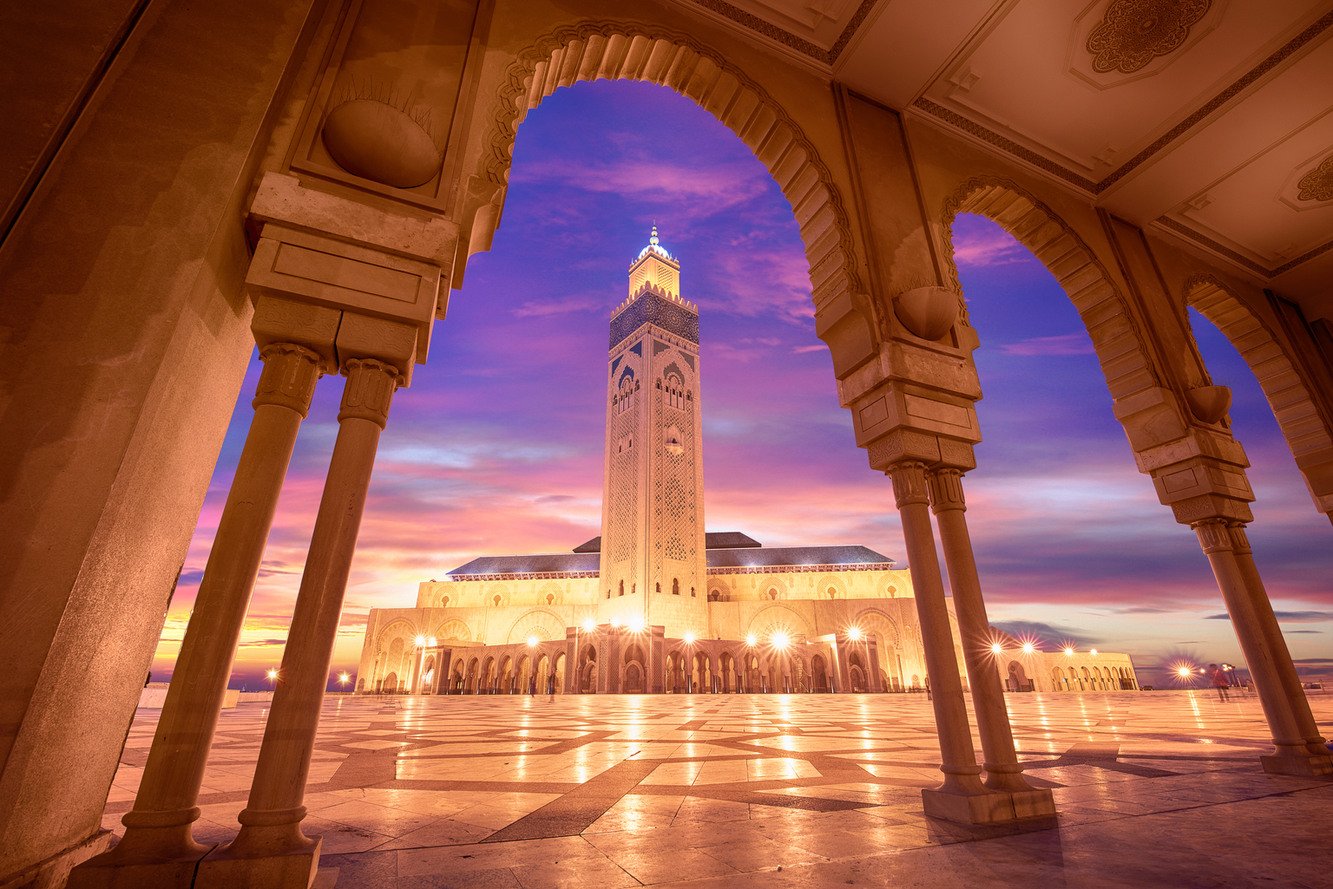
Highlights of Morocco Guided Tour: Casablanca to Marrakech
Discover Morocco from Casablanca to Marrakech on a guided journey through imperial cities, ancient medinas, Atlas landscapes, artisan quarters, and celebrated cultural landmarks.
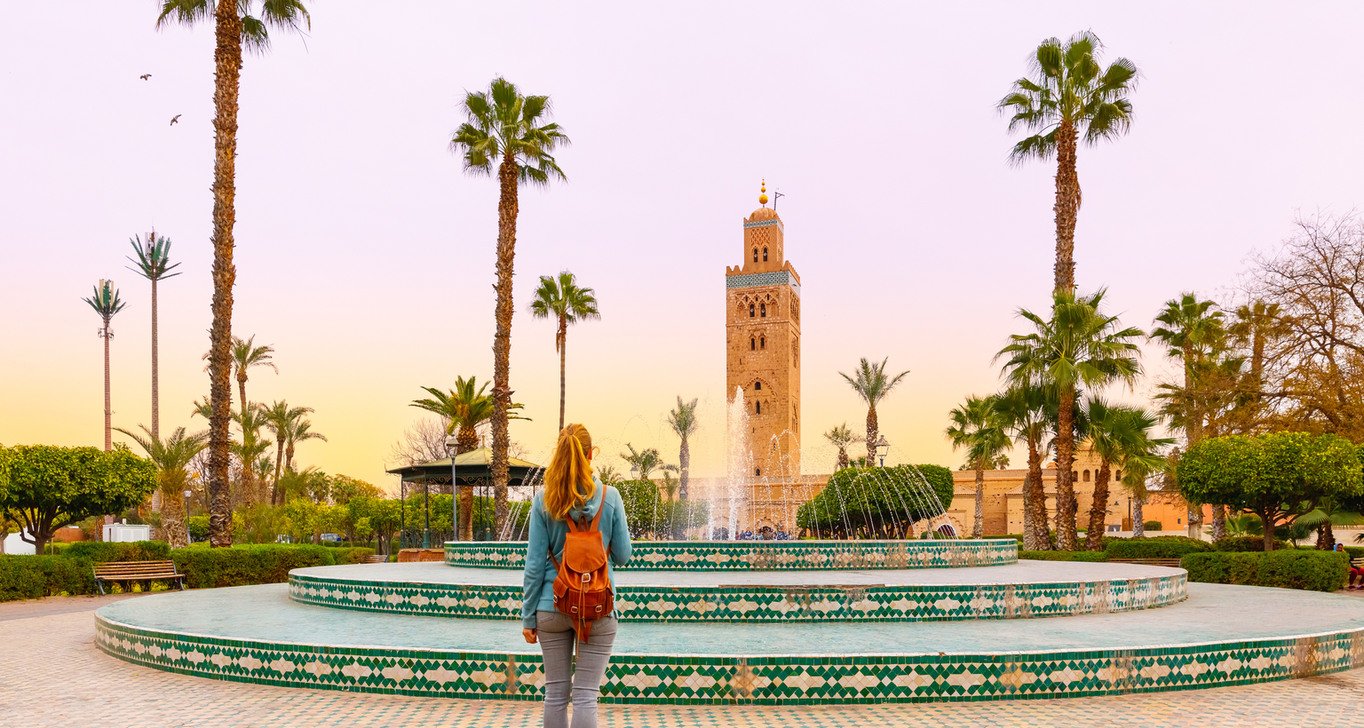
Springtime in Morocco Guided Tour: Casablanca to Marrakech
On this guided Morocco tour, experience spring from Casablanca to Marrakech through imperial cities, medinas, mountain landscapes, gardens, and waterfalls. View itinerary!
Plan Your Rabat Journey
Experience the Kasbah of the Udayas, Hassan Tower, Chellah necropolis, Mohammed VI Museum, and seamless private guided journeys across Morocco.