

Essaouira
Fortified UNESCO medina, working fishing port, Atlantic beach breezes, and Gnaoua music heritage.
Why Go to Essaouira
Set on Morocco's Atlantic coast, Essaouira, formerly known as Mogador, combines a fortified historic medina, a working fishing port, broad beaches and a strong musical and artistic identity. Its white-and-blue buildings, sandstone ramparts and oceanfront setting give it a distinctly different atmosphere from Morocco's inland imperial cities. Morocco's tourism office calls Essaouira the “Bride of the Atlantic.”
The Medina of Essaouira is a UNESCO World Heritage Site. UNESCO describes it as an outstanding example of a fortified late-18th-century town that blended contemporary European military architecture with a North African setting. The city developed as an important international trading port linking Morocco and its Saharan hinterland with Europe and other parts of the world.
Essaouira is also a destination where the ocean is central to daily life. Fishing boats fill the harbor, fresh seafood arrives at the port, and the city's dependable Atlantic winds have helped make its beaches popular for surfing, windsurfing and kitesurfing. Music is equally important: Essaouira is a UNESCO Creative City of Music and is closely associated with the Gnaoua musical tradition.
Best of Essaouira
Best Hotels in Essaouira
Essaouira offers everything from luxury resorts to intimate riads hidden within the medina. These are notable established options rather than an official ranking:
Heure Bleue Palais : Relais & Chateaux
An iconic luxury palace property combining Moroccan heritage with Relais & Châteaux prestige and a panoramic rooftop pool.
Hôtel Le Médina Essaouira Thalassa sea & spa - MGallery
An upscale oceanfront resort property featuring direct beach access, thalassotherapy spa treatments, and modern amenities.
Villa Maroc Essaouira
The historic first riad hotel in the medina, celebrated for timeless bohemian charm, intimate courtyards, and rooftop sunset views.
Riad Chbanate
A romantic, exquisitely restored 18th-century riad situated along the ancient city walls with spacious luxury suites.
Villa Beldi Boutique Hôtel & Restaurant
A stylish boutique country-style retreat outside the center surrounded by olive trees, gardens, and artisanal decor.
Madada Mogador
A chic, intimate boutique hotel located directly by the medina entrance overlooking the ocean and port ramparts.
Villa Quieta
A distinguished traditional Moroccan villa located along the beachfront promenade with lush gardens and ornate woodwork.
Hôtel Riad Mimouna
A dramatic, ocean-facing stone riad built directly above the Atlantic waves offering sea spray terraces and sunset views.
MAMA LOVA Essaouira - Boutique Hôtel, Riad, Restaurant & SPA
A modern, vibrant boutique hotel in the medina featuring contemporary Moroccan design, a relaxing spa, and quality dining.
Atlas Essaouira Riad Resort
A comprehensive full-service beachfront resort with outdoor pools, spa facilities, and comfortable ocean-view rooms.
For atmosphere and easy access to historic sights, staying inside the medina works particularly well. Travelers who prioritize beach access, larger rooms or resort facilities may prefer accommodation along the oceanfront or in the Mogador area.
Best Things to Do in Essaouira
Wander through the UNESCO-listed Medina
Stroll the wide, car-free thoroughfares, whitewashed alleys with cobalt-blue shutters, and vibrant art galleries.
Walk along the Skala de la Ville and old ramparts
Take in panoramic ocean views alongside rows of 18th-century Spanish and Portuguese bronze cannons mounted on sea walls.
Explore the fishing port and watch the blue boats return
Witness fishermen unloading fresh daily catches of sardines, sea bass, and prawns among iconic wooden blue trawlers.
Visit the Sqala du Port
Climb the fortified ocean bastion for the classic vantage point framing the medina, port entrance, and Purpuraires Islands.
Spend time around Place Moulay el Hassan
Relax at an outdoor café terrace on Essaouira’s main public square, ideal for people-watching between the medina and port.
Walk or relax on Essaouira Beach
Enjoy broad golden sands stretching south along the bay, perfect for breezy shoreline walks, camel rides, and horseback treks.
Try surfing, windsurfing or kitesurfing
Take advantage of reliable Atlantic swell and trade winds (Alizés) with local surf schools for world-class watersports.
Discover local galleries and thuya-wood workshops
Observe master artisans carving fragrant, burled thuya wood inlaid with lemonwood, mother-of-pearl, and cedar.
Experience Gnaoua music
Listen to the hypnotic rhythms of iron castanets (qraqeb) and the three-stringed guembri in atmospheric medina venues.
Take a trip to Diabat or the beaches around Sidi Kaouki
Explore the ruined Dar Sultan palace in Diabat or visit the laid-back surf village and sweeping wild beaches of Sidi Kaouki.
The medina, fishing port and seafood are among the experiences specifically highlighted by Morocco's tourism authority, while the Atlantic winds and waves make the area particularly well suited to board sports.
Essaouira Travel Tips
Best Months to Visit
Essaouira can be visited year-round because its Atlantic location moderates temperatures much more than in inland destinations such as Marrakech or Merzouga. For general sightseeing, April through June and September through October offer a good balance of warmth, sunshine and comfortable conditions for walking.
Summer is dry and popular, but Essaouira's famous wind becomes an important part of the experience. That is excellent news for kitesurfers and windsurfers, though travelers hoping for completely still beach weather should be prepared for breezy afternoons. Morocco's tourism office specifically identifies the city's winds and waves as a major reason for its reputation in surfing, kitesurfing and windsurfing.
Winter remains relatively mild compared with much of Europe, though rainfall is more likely and evenings can feel cool, especially with the Atlantic wind. The climate data below should be considered approximate because the source's weather station is at Agadir Al Massira, about 90 kilometers from Essaouira.
For comprehensive seasonal guidance across Morocco, consult our guide on the best time to visit Morocco.
Weather in Essaouira
Average Temperature (°F)
Mild, moderated maritime climate with comfortable winter highs (72°F–73°F) and warm, breezy summers (82°F–90°F).
Average Precipitation (in)
Arid coastal conditions with virtually dry summers (0.00–0.08 in) and modest winter rainfall (0.41–1.46 in).
| Month | Average High (°F) | Average Low (°F) | Precipitation (in) |
|---|---|---|---|
| Jan | 72°F | 43°F | 0.41 in |
| Feb | 73°F | 46°F | 0.76 in |
| Mar | 75°F | 50°F | 0.99 in |
| Apr | 77°F | 55°F | 0.54 in |
| May | 81°F | 59°F | 0.20 in |
| Jun | 82°F | 61°F | 0.00 in |
| Jul | 86°F | 64°F | 0.00 in |
| Aug | 90°F | 66°F | 0.08 in |
| Sep | 84°F | 63°F | 0.51 in |
| Oct | 84°F | 61°F | 0.90 in |
| Nov | 77°F | 54°F | 1.46 in |
| Dec | 73°F | 46°F | 0.65 in |
These figures come from weather reports collected during 2012–2021 at Agadir Al Massira, so actual conditions on Essaouira's immediate coastline can differ, particularly because of its maritime setting and wind.
What You Need to Know
- Bring a light layer. Even when temperatures are warm, the Atlantic wind can make mornings, evenings and shaded terraces feel cooler.
- Expect wind. Wind is part of Essaouira's character, particularly during the warmer months. Secure hats and keep this in mind when planning long beach days.
- Walk the medina. The historic center is compact and easy to explore on foot.
- Carry Moroccan dirhams. Cards are useful in hotels and larger restaurants, but cash remains convenient for small cafés, workshops and market purchases.
- Ask before photographing people. The port and medina are extremely photogenic, but they are also workplaces and residential neighborhoods.
- Check ocean conditions before swimming or doing water sports. Atlantic surf, currents and wind can vary, so use reputable surf or kite schools and follow local advice.
How to Save Money in Essaouira
- Eat fresh fish simply. Seafood does not have to mean an upscale restaurant. The port and surrounding area are closely associated with freshly landed fish and seafood.
- Stay in a smaller riad or guesthouse. There are many options inside and around the medina at lower prices than large beachfront hotels.
- Walk instead of using taxis. The medina, port, ramparts and main beach are close enough to combine on foot.
- Enjoy the free attractions. Wandering the medina, walking the beachfront and watching activity around the harbor can fill much of a day without major entrance costs.
- Take a coach from Marrakech. CTM operates the Marrakech–Essaouira route, making scheduled coach travel an alternative to private transfers.
Culture & Customs
Essaouira's history is unusually multicultural. UNESCO notes the city's long coexistence of Amazigh, Arab, African and European communities, as well as Muslim, Jewish and Christian traditions. This mixture contributed to the distinctive cultural character of the old port city.
Music is especially important. Essaouira has been part of the UNESCO Creative Cities Network as a City of Music since 2019, and its musical identity includes the internationally known Gnaoua and World Music Festival.
Gnawa itself is inscribed on UNESCO's Representative List of the Intangible Cultural Heritage of Humanity. It combines music, ritual, spiritual traditions and cultural practices with deep historical roots in Morocco and sub-Saharan Africa.
Craftsmanship is another important part of Essaouira's identity. The city is particularly known for decorative work using thuya wood, and Morocco's tourism office specifically highlights Essaouira as a place to find thuya objects and traditional marquetry.
As elsewhere in Morocco, relatively modest clothing is respectful, particularly when entering less tourist-oriented neighborhoods or religious environments. During Ramadan, many residents fast between dawn and sunset and some opening hours may change.
What to Eat
For food lovers, the obvious place to begin is the Atlantic Ocean. Morocco's tourism authority specifically highlights fish dishes in Essaouira and encourages visitors to explore the fishing port and seafood brought in by local fishermen.
Try grilled sardines, sea bass, sole, prawns, calamari or whatever is freshest that day. Rather than choosing a particular species in advance, asking what came in from the boats can produce the best meal.
Moroccan classics are also widely available, including fish tagine, vegetable tagine, couscous, harira, Moroccan salads and pastilla. Coastal cooking naturally incorporates more fish and seafood than the cuisines of inland destinations.
The wider Essaouira region is also closely associated with the argan tree, which grows extensively in this part of southwestern Morocco. Culinary argan oil can be eaten with bread and is also used in amlou, a spread traditionally made with almonds, honey and argan oil. The province's natural landscape includes substantial argan forests.
Mint tea remains an essential part of Moroccan hospitality, while cafés around the medina and Place Moulay el Hassan provide excellent places to stop between sightseeing.
Safety
Normal precautions apply in Essaouira and elsewhere in Morocco. Keep valuables secure in busy tourist areas, avoid displaying large amounts of cash and take particular care with phones and bags in crowded parts of the medina.
The ocean requires its own precautions. Strong wind, waves and currents can make conditions different from sheltered Mediterranean beaches. Travelers participating in surfing, windsurfing or kitesurfing should use established operators and choose conditions appropriate to their experience level. Essaouira is specifically promoted as a major Moroccan location for these sports because of its wind and Atlantic waves.
As of August 2026, the latest published U.S. State Department advisory for Morocco remains Level 2: Exercise Increased Caution due to terrorism. It advises travelers to remain alert in tourist locations and avoid demonstrations and crowds.
Travel advisories can change, so check your own government's latest guidance shortly before departure.
Getting Around Essaouira
The historic center is best explored on foot. The medina is compact, while the port, Place Moulay el Hassan, ramparts and main beach are all relatively close together.
Taxis are useful for accommodation farther from the medina, the bus station, the airport and nearby destinations such as Diabat. For excursions farther down the coast, including Sidi Kaouki, travelers can use taxis, transfers or rental cars.
Essaouira is not on Morocco's main passenger rail network, so visitors normally reach it by road or air. Coaches are particularly important for destinations not served conveniently by rail, and CTM currently advertises the Marrakech–Essaouira route.
Travelers arriving by plane use Essaouira Mogador Airport. Morocco's airport authority lists taxi service, currency exchange, internet access, medical assistance, shops, cafés and car rental among the airport's facilities.
Many visitors combine Essaouira with Marrakech, making the Atlantic city a natural coastal break after several days inland, while others continue south to Agadir along the scenic Atlantic coast.
Entry & Exit Requirements
Essaouira follows the same immigration rules as the rest of Morocco.
For U.S. citizens, current U.S. State Department information states that a passport must have at least six months of validity at the time of entry and at least one blank page for the entry stamp. A tourist visa is not required for stays of under 90 days.
Travelers using passports from other countries should check Morocco's requirements for their specific nationality, since visa rules vary. Entry regulations can change, so requirements should always be reconfirmed through an official government or Moroccan consular source shortly before travel.
Guided Tours Visiting Essaouira
Essaouira Day Trip from Marrakech — Optional Guided Visit
Discover the relaxed blue-and-white Atlantic coastal fortress town famed for fresh seafood, historic ramparts, and thuya artisan woodwork.

14-Day Ultimate Morocco Guided Grand Discovery
An extraordinary 14-day guided grand journey from Tangier to Marrakech via Chefchaouen, Fes, Merzouga Sahara, Ait Ben Haddou, and Essaouira.
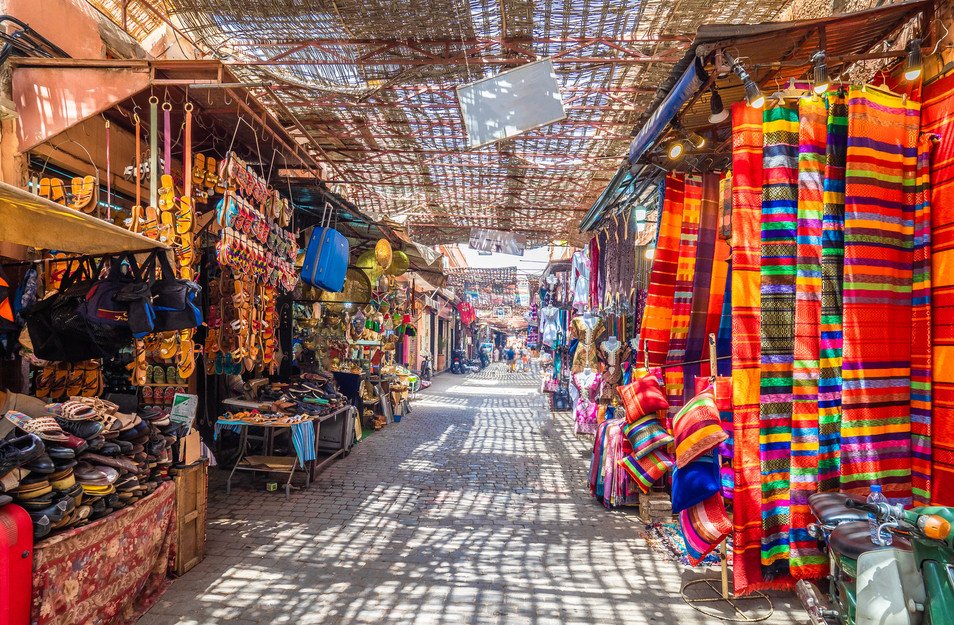
Morocco for Women Guided Tour: Marrakech, Essaouira & Fes
Connect with other women travelers on a guided journey through Marrakech, Essaouira, and Fes, with women-centered cultural experiences, local artisans, and Moroccan traditions.
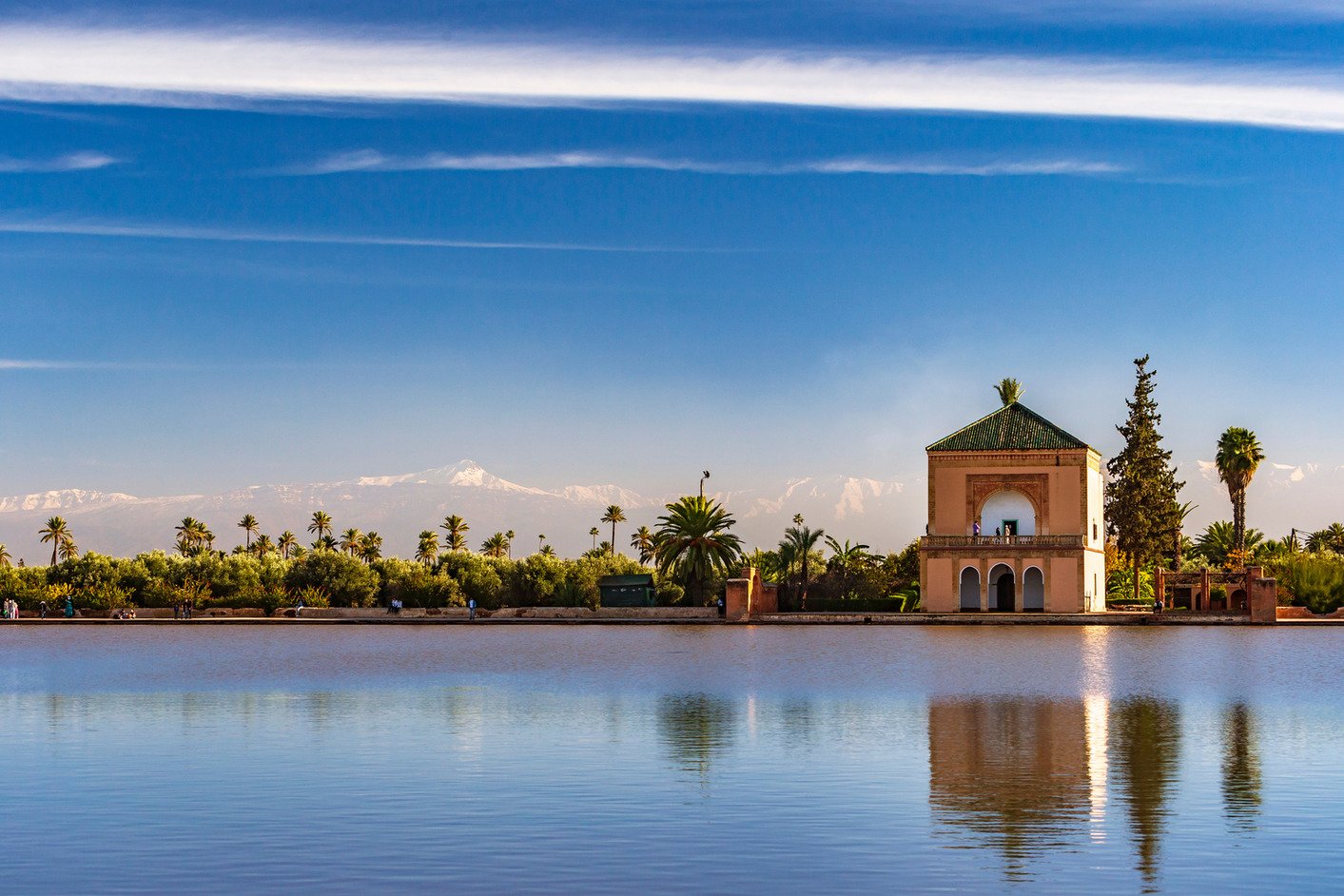
A Week in Marrakech Guided Tour: From the Atlas Mountains to Essaouira
Base in the Red City for a week of palaces, gardens, souks, and day trips to the Atlas Mountains and Essaouira.
Plan Your Essaouira Journey
Experience the fortified sea ramparts, UNESCO-listed medina, Atlantic seafood, and private door-to-door transfers with our licensed local guides.