
Understanding Moroccan Culture, Tipping, and Local Customs
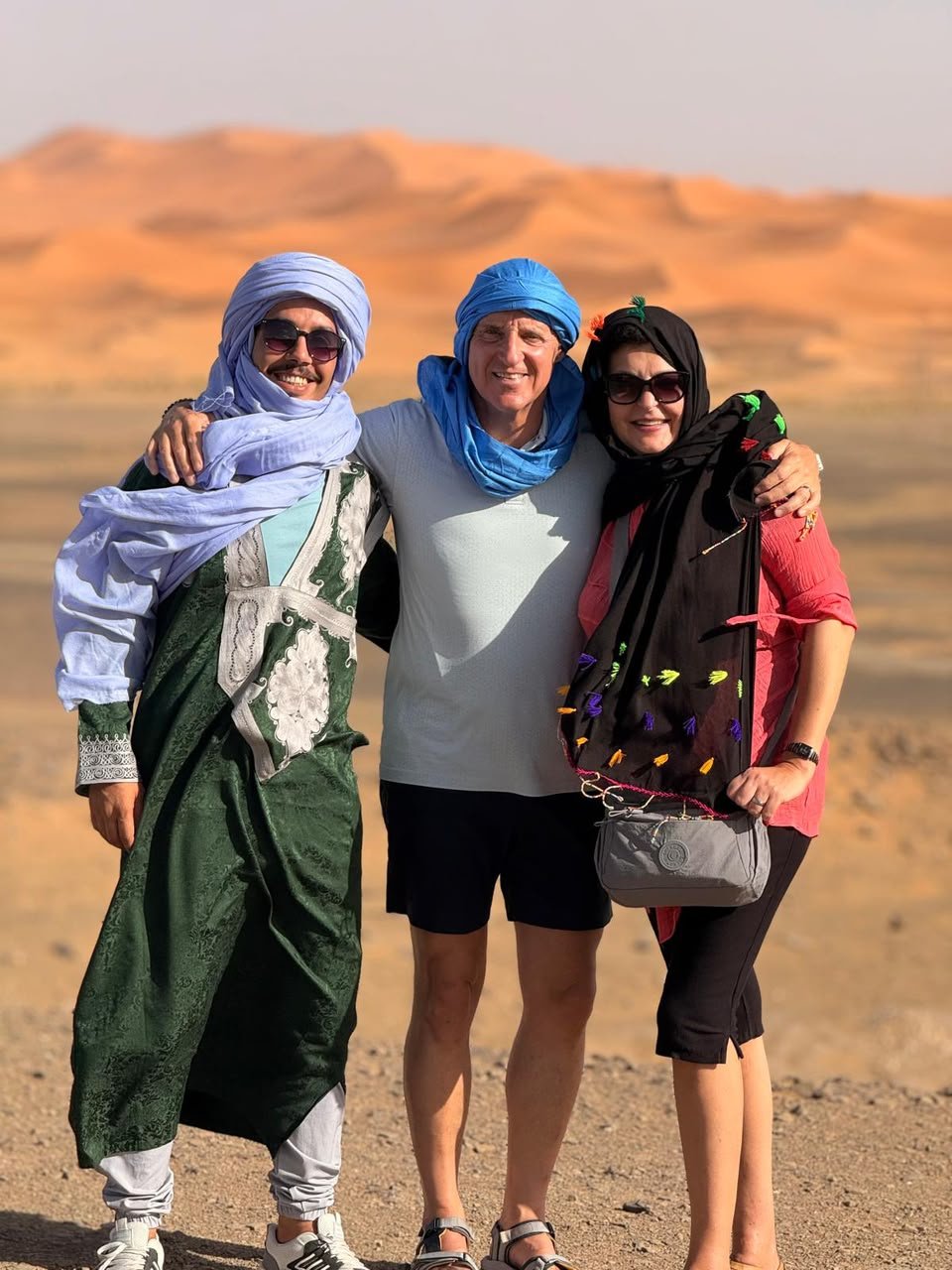
One of the best parts of traveling in Morocco isn't something you'll find on a sightseeing checklist. It's the warmth of the people you meet along the way: a shopkeeper welcoming you with hot mint tea, a riad host sharing tips about their neighborhood, or a driver pointing out a scenic mountain viewpoint you would have driven right past.
At the same time, traveling in a country with rich Islamic traditions and distinct cultural norms can bring up everyday questions: How much should I tip? What should I wear in the medinas? Is it okay to take photos? What should I expect during Ramadan?
As Moroccan local guides at Morocco Guided Tours, we put together this practical guide to help first-time visitors navigate Moroccan culture, etiquette, and tipping with ease and confidence.
Moroccan Hospitality: What Visitors Should Know
Hospitality (diyafa) is deeply rooted in Moroccan culture. Welcoming guests with generosity and warmth is considered both a cultural value and a point of personal pride.
When you enter a riad, visit a local home, or sit down in a carpet shop, you will almost certainly be offered a glass of traditional Moroccan mint tea—often called "Berber whiskey" as a lighthearted joke. Moroccan mint tea is brewed with green gunpowder tea leaves, fresh spearmint, and generous spoonfuls of sugar, poured from high above the glass to create a delicate layer of foam (regga).
Accepting a glass of mint tea is a gesture of friendliness and connection. It is not an obligation to purchase anything, but rather an invitation to pause, converse, and connect as human beings before getting down to business.
How Do You Greet People in Morocco?
Greetings carry great importance in Moroccan daily life. Rushing straight into a transaction without a greeting is considered abrupt.
A few basic greetings in Moroccan Arabic (Darija) go a long way:
- Salam alaykum: "Peace be upon you" (the universal, respectful greeting). The response is Wa alaykum salam ("And upon you be peace").
- Labas?: "How are you? / Everything good?" A friendly, casual greeting. The common response is Labas, l-hamdullah ("Good, thanks to God").
- Shukran: "Thank you." To say thank you very much, use Shukran bezaf.
- La, shukran: "No, thank you" (polite and effective for declining offers in the souks).
- Bslama: "Goodbye."
Handshakes and Greetings
When meeting someone in Morocco, a light handshake accompanied by eye contact and a warm smile is standard. After shaking hands, many Moroccans place their right hand over their heart as a gesture of sincere respect and warmth.
Between men and women who do not know each other well, it is customary to wait for the other person to extend their hand first. If someone does not extend a hand, placing your right hand over your heart with a slight nod and greeting is a graceful, universally understood gesture of respect.
How Much Should You Tip in Morocco?
Tipping (pourboire) is a standard and expected part of the service economy in Morocco, just as it is across much of the Mediterranean and North Africa. Wages in service roles—such as restaurant servers, hotel porters, drivers, and medina guides—are often modest, and tips make up an important portion of workers' take-home earnings.
However, tipping in Morocco is always customary, not mandatory. Gratuities are given in appreciation of attentive, polite, and professional service.
These aren't laws or mandatory amounts. They are customary ranges based on standard Moroccan travel practices.
Should I Tip in Moroccan Dirhams, Euros, or US Dollars?
Whenever possible, tip in Moroccan Dirhams (MAD).
While foreign currency (Euros or US Dollars) may be accepted by private drivers and tour guides, local coins and small foreign bills cannot easily be exchanged at local Moroccan banks. Tipping in Moroccan Dirhams ensures that service workers can use the money immediately for their daily living expenses without paying foreign exchange commissions.
Quick Tipping Guide for Morocco
| Service | Suggested Tip |
|---|---|
| Café | Round up or leave a few dirhams |
| Casual restaurant | Around 5–10% for good service |
| Nice restaurant | Around 5–10% if service isn't included |
| Hotel/riad porter | Around 10–20 MAD per bag |
| Housekeeping | Around 10–20 MAD per day |
| Taxi | Round up for good service |
| Hammam attendant | Around 20–50 MAD |
| Private driver | Around 50–100+ MAD per day |
| Private local guide | Around 100–200+ MAD per day/small group |
| Short guided activity | Small tip based on service and group size |
How Much Should I Tip a Tour Guide in Morocco?
Licensed local city guides in historical medinas like Fes and Marrakech provide hours of cultural commentary, navigation through thousands of narrow lanes, and personalized historical context.
- For a half-day private city tour, a tip of 100–150 MAD for the guide from your group is customary for good service.
- For a full-day private city tour, a tip of 150–200+ MAD from the group is standard.
- On shared group walking tours, 30–50 MAD per person is typical.
How Much Should I Tip My Driver in Morocco?
If you are traveling on a multi-day private tour across Morocco, your private driver-guide is your companion, navigator, and logistical support across hundreds of kilometers of mountain passes and desert roads.
- For a dedicated private driver on a multi-day journey, a customary tip is 50–100+ MAD per day from your traveling party (e.g., 500–1,000 MAD at the end of a 10-day tour).
- If your driver went above and beyond—making spontaneous scenic stops, translating, arranging special experiences, and taking excellent care of your family—you may choose to tip more at your discretion.
Should I Tip at Restaurants in Morocco?
At casual eateries and local cafés, rounding up the bill or leaving 5–10 MAD is customary.
At sit-down tourist restaurants and fine dining riads, a tip of 5–10% of the total bill is standard for good service, provided a service charge has not already been included. Always check the itemized bill before tipping, and leave the gratuity in cash on the table or directly with your server rather than adding it to a credit card terminal.
Should I Tip at Cafés?
Morocco has a vibrant café culture where locals gather to sip espresso, mint tea, or nous-nous (half coffee, half milk). At a neighborhood café, rounding up to the nearest 5 or 10 dirhams or leaving 2–5 MAD on the table is standard practice.
Do You Tip Taxi Drivers in Morocco?
In city petit taxis (which run on meters in cities like Marrakech, Rabat, and Casablanca), it is customary to round up the fare to the nearest 5 or 10 dirhams. For example, if a metered ride costs 16 MAD, paying 20 MAD and letting the driver keep the change is standard.
Tipping at Hotels and Riads
Porters
For hotel and riad porters who carry heavy luggage through cobblestone medina streets or up multiple flights of riad stairs, 10–20 MAD per bag is standard and appreciated.
Housekeeping
For riad and hotel cleaning staff, leaving 10–20 MAD per day (either left daily on the bedside table or in a tip envelope at checkout) is a thoughtful gesture.
Riad Staff
Many boutique riads have a shared tip box (boîte à pourboire) at the reception desk. Contributing to the communal tip box ensures that behind-the-scenes cooks, night security, and cleaners all share in gratuities.
Do You Tip at a Hammam?
Visiting a traditional Moroccan bathhouse (hammam) is an essential cultural wellness experience. The bathhouse attendant (kessala or tiyaba) performs a vigorous black soap application, full-body exfoliation with a kessa glove, and hair washing.
- In a traditional neighborhood hammam, tipping 20–30 MAD directly to your attendant is customary.
- In a luxury spa or hotel hammam, a tip of 50–100 MAD is standard.
Should You Tip Shopkeepers?
No. Tipping is not customary when purchasing goods in shops or souks. The transaction is complete once the price has been agreed upon and paid.
Bargaining in Morocco: Is It Rude?
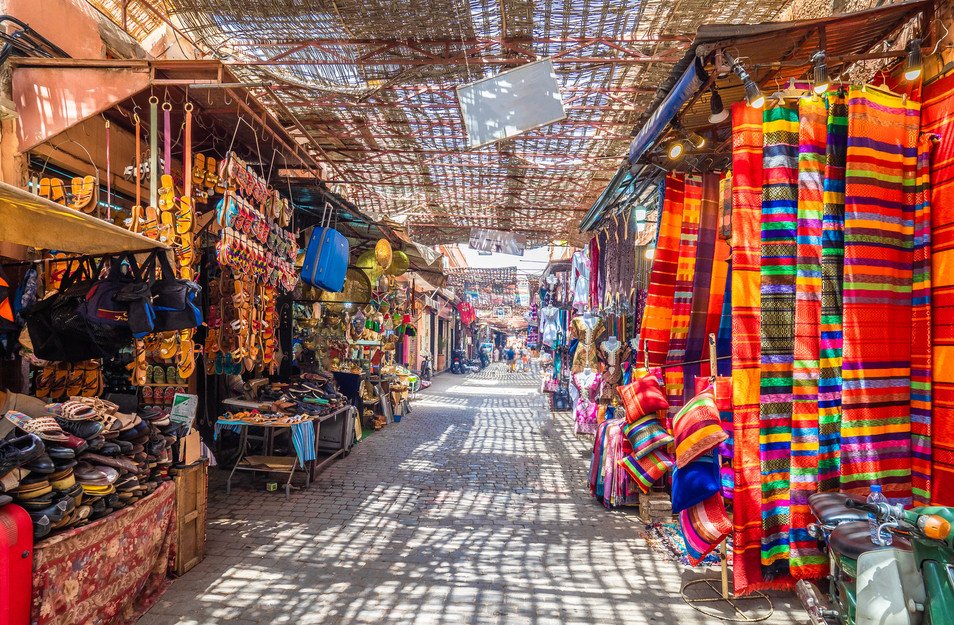
Bargaining (shattar) in traditional Moroccan souks is not rude—it is an expected, social part of commerce for items without fixed price tags, such as carpets, leather bags, ceramics, brass lanterns, and spices.
Keep these practical principles in mind when bargaining:
- Keep It Friendly: Bargaining is a conversation, not an adversarial argument. Keep a warm, polite demeanor, smile, and enjoy the interaction.
- Know What You're Willing to Pay: Decide what an item is worth to you before making an offer. If the seller accepts, you are expected to complete the purchase.
- Don't Bargain for Small Essentials: Do not haggle over fixed-price items such as bread, fruit, bottled water, pharmacy items, or meals at restaurants.
- Walking Away Is Okay: If a price does not work for your budget, politely say "La, shukran" and walk away with a smile. If the seller can lower their price, they will call you back.
What Should Tourists Wear in Morocco?
Morocco is a moderate, welcoming Muslim country that hosts millions of international travelers each year. Tourists are not legally required to adhere to a strict religious dress code, and foreign visitors do not need to cover their hair simply because they are visiting Morocco.
However, dressing respectfully shows appreciation for local cultural and religious values:
- In Major Cities and Modern Areas: In modern districts of Casablanca, Rabat, and upscale Marrakech, casual Western clothing (t-shirts, jeans, knee-length dresses) is common.
- In Medinas, Rural Villages, and Religious Sites: Opt for modest, breathable clothing that covers shoulders and knees (linen shirts, long trousers, maxi skirts, and lightweight shawls).
- In the Sahara Desert and High Atlas Mountains: Practical layers are essential. Bring a light fleece or warm jacket for cool desert nights and high mountain passes.
Can Non-Muslims Visit Mosques in Morocco?
In Morocco, active mosques are generally reserved for Muslim worshipers and are closed to non-Muslim visitors.
The most notable exception is the monumental Hassan II Mosque in Casablanca, which welcomes non-Muslim visitors on organized guided interior tours outside of scheduled prayer times. In addition, historic religious colleges (madrasas) that no longer operate as active mosques—such as the 14th-century Bou Inania and Al-Attarine Madrasas in Fes, and Ben Youssef Madrasa in Marrakech—are open to all visitors as architectural monuments.
Photography Etiquette in Morocco
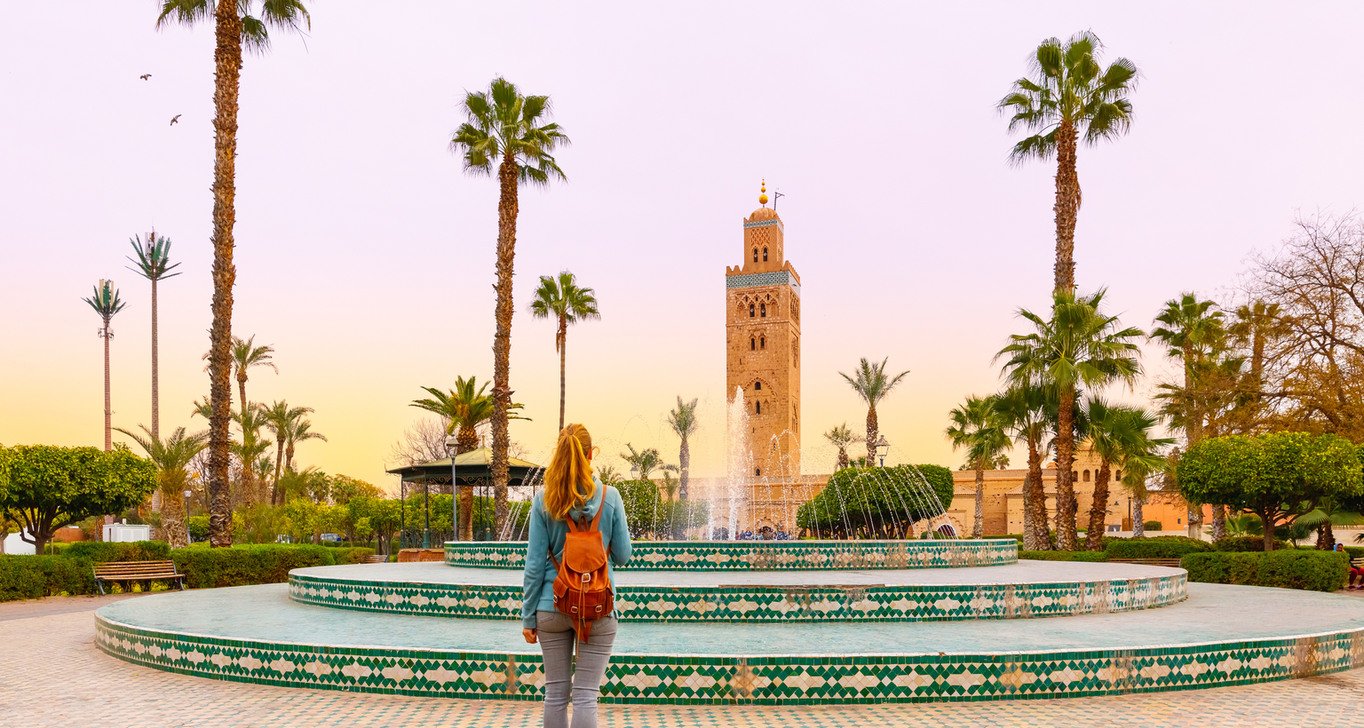
Morocco is extraordinarily photogenic, from vibrant spice stalls to historic earthen kasbahs. However, thoughtful photography etiquette is essential:
- Always Ask Before Photographing People: Always ask permission before taking a close portrait of a local person, artisan, or shopkeeper. A polite smile and "Mumpkin soura?" ("May I take a photo?") shows respect.
- Respect Refusals Gracefully: If someone waves their hand or indicates no, put your camera down immediately without argument.
- Performers and Entertainers: In bustling squares like Jemaa el-Fna in Marrakech, snake charmers, acrobats, and costumed water sellers make their living through photography and expect a small tip (10–20 MAD) if you take their photo.
- Government and Military Buildings: Do not photograph police checkpoints, military installations, or royal palace gates.
Visiting Morocco During Ramadan
Ramadan is the holy month of fasting in the Islamic calendar. From dawn until sunset, Muslims abstain from food, water, and smoking.
Visiting Morocco during Ramadan offers a unique, culturally rich perspective:
- Daytime Pacing: Life moves at a slower, quieter pace during the day. Some shops and restaurants may have adjusted opening hours or close briefly before sunset.
- Tourist Facilities Remain Open: Hotels, tourist restaurants, monuments, and private tours operate smoothly throughout Ramadan.
- Public Etiquette: As a courtesy, visitors are encouraged to be discreet about eating, drinking, or smoking in busy public streets during fasting hours.
- The Evening Iftar (Ftour): At sunset, the city comes alive with the sound of the cannon or call to prayer signaling the break of the fast. Families gather to share ftour—a festive meal of harira lentil soup, dates, hard-boiled eggs, chebakia honey pastries, and fresh juices.
Eating With Moroccan Families
If you are invited to share a home-cooked meal with a Moroccan family, you are experiencing the pinnacle of Moroccan hospitality:
- Wash Hands Before Eating: A basin of warm water and soap (tas) is often brought around before the meal.
- Eat With Your Right Hand: When eating from a communal tagine or couscous platter, use your right hand (or a piece of crusty bread) to scoop food from the portion of the dish directly in front of you.
- Leave a Little on Your Plate: Finishing every last bite can signal that you are still hungry, prompting your hosts to bring out even more food!
If You're Invited Into a Moroccan Home
Being invited into a Moroccan home is a special honor:
- Remove Your Shoes: Always remove your shoes at the entrance unless your host explicitly invites you to keep them on.
- Bring a Small Host Gift: A box of Moroccan pastries, fruit, sweets for the children, or good-quality tea and sugar is a traditional, polite gesture of gratitude.
Public Displays of Affection
Moroccan society is relatively conservative regarding romantic displays in public. Holding hands is common and widely accepted, but passionate kissing or intense physical affection in public streets, squares, or religious areas is frowned upon.
Alcohol in Morocco
Although Morocco is an Islamic nation, alcohol is legal and available in licensed venues:
- Licensed hotels, riads, tourist restaurants, bars, and major supermarkets (such as Carrefour) sell beer, wine, and spirits.
- Drinking alcohol on public streets, squares, or outside licensed venues is strictly prohibited.
- Moroccan wines produced in the Meknes and Berkane regions are of surprisingly high quality and worth sampling with dinner.
Friday in Morocco
Friday is the holy day of communal prayer (Jumu'ah) in Islam:
- Between noon and 3:00 PM, many shops, souk stalls, and family businesses close so owners can attend prayers and gather with family.
- Friday lunch across Morocco is traditionally celebrated with a large platter of steamed couscous with seven vegetables, slow-cooked meat, and caramelized onions.
Respecting Moroccan Religious and Cultural Traditions
Showing respect for Moroccan culture doesn't require adopting local customs completely—it simply means approaching people and places with curiosity, kindness, and open-minded awareness.
Moroccans are proud of their heritage, warm toward foreign visitors, and deeply appreciative of travelers who take a genuine interest in their traditions.
Don't Confuse Tourism With Everyday Moroccan Life
Bustling tourist hubs like Marrakech's Jemaa el-Fna or the main shopping lanes of Fes el-Bali are vibrant commercial centers where salesmanship is intense.
Do not mistake the lively energy of commercial market squares for the character of Moroccan culture as a whole. Venture outside the busiest tourist lanes, explore quiet mountain villages in the Atlas Mountains, speak with artisans in their workshops, and you will discover a culture defined by dignity, patience, and genuine human warmth.
When Not to Tip
While tipping is customary, you should not feel obligated to tip when:
- Service was genuinely rude, aggressive, or unhelpful.
- A street tout or unsolicited "guide" attempts to follow you through medina alleys or demands money for pointing directions.
- A mandatory service charge is already included on a restaurant bill.
A Local Guide's Advice About Tipping
Always carry small Moroccan Dirham banknotes (20, 50, and 100 MAD) and coins in your pocket. Medina shopkeepers and taxi drivers rarely have change for large 200 MAD bills, and having small change makes tipping smooth and effortless throughout the day.
The Most Important Moroccan Custom: Respect
At the end of the day, you do not need to memorize every single cultural nuance to have a wonderful trip to Morocco.
Approach the country with an open heart, treat people with the same dignity and respect you would expect in your own hometown, greet locals with a smile and Salam alaykum, and you will find that Morocco welcomes you with open arms.
Experience Morocco With Local Guides
Want to experience the real Morocco with local experts who can guide you through every cultural landmark, historic medina, and desert landscape?
At Morocco Guided Tours, our licensed local drivers and city guides are passionate about sharing their culture, heritage, and stories with travelers from around the world. Whether you are planning a 10-day Morocco itinerary for first-time visitors or looking for a custom private Morocco tour, we can create an itinerary tailored to your travel style.
They may become your favorite part of Morocco.
Recommended Tours for this Route

7-Day Morocco Imperial Cities Guided Tour
Discover Morocco’s imperial cities on a 7-day journey beginning and ending in Casablanca.

10-Day Morocco Grand Guided Tour
The ultimate guided 10-day journey from Casablanca to Marrakech via Chefchaouen, Fes, Merzouga Sahara, and High Atlas.
Ready to Experience Morocco First-Hand?
Let our local guides craft a personalized tour around your travel schedule and interests.
More Morocco Travel Articles
The Best Morocco Itinerary for First-Time Visitors
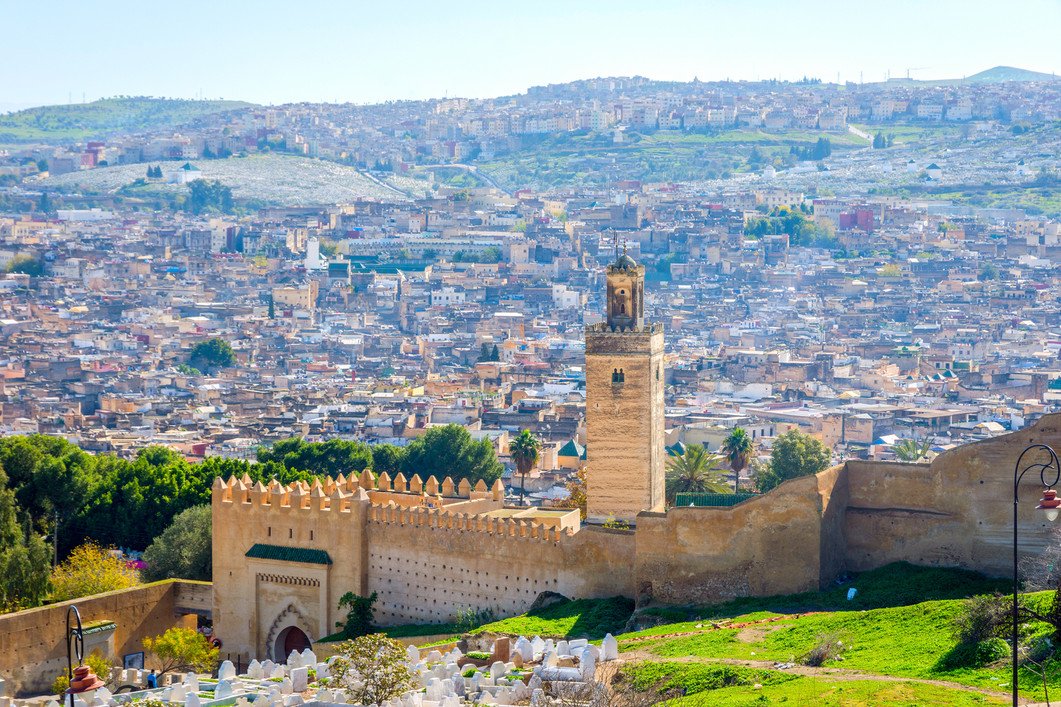
Planning your first trip to Morocco? Follow this 10-day Morocco itinerary through Casablanca, Rabat, Chefchaouen, Fes, Merzouga, the Sahara, Dades Valley, Aït Ben Haddou, and Marrakech.
How Much Does a Private Guided Tour in Morocco Cost?
Transparent breakdown of private transport, boutique riad stays, local guides, and daily budget expectations.
Packing List For Morocco 2026
Use our complete Morocco packing list for 2026, including clothes, travel essentials, toiletries, electronics, luggage and practical tips for your trip.