Marrakech to Merzouga: Route, Highlights, and What to Expect
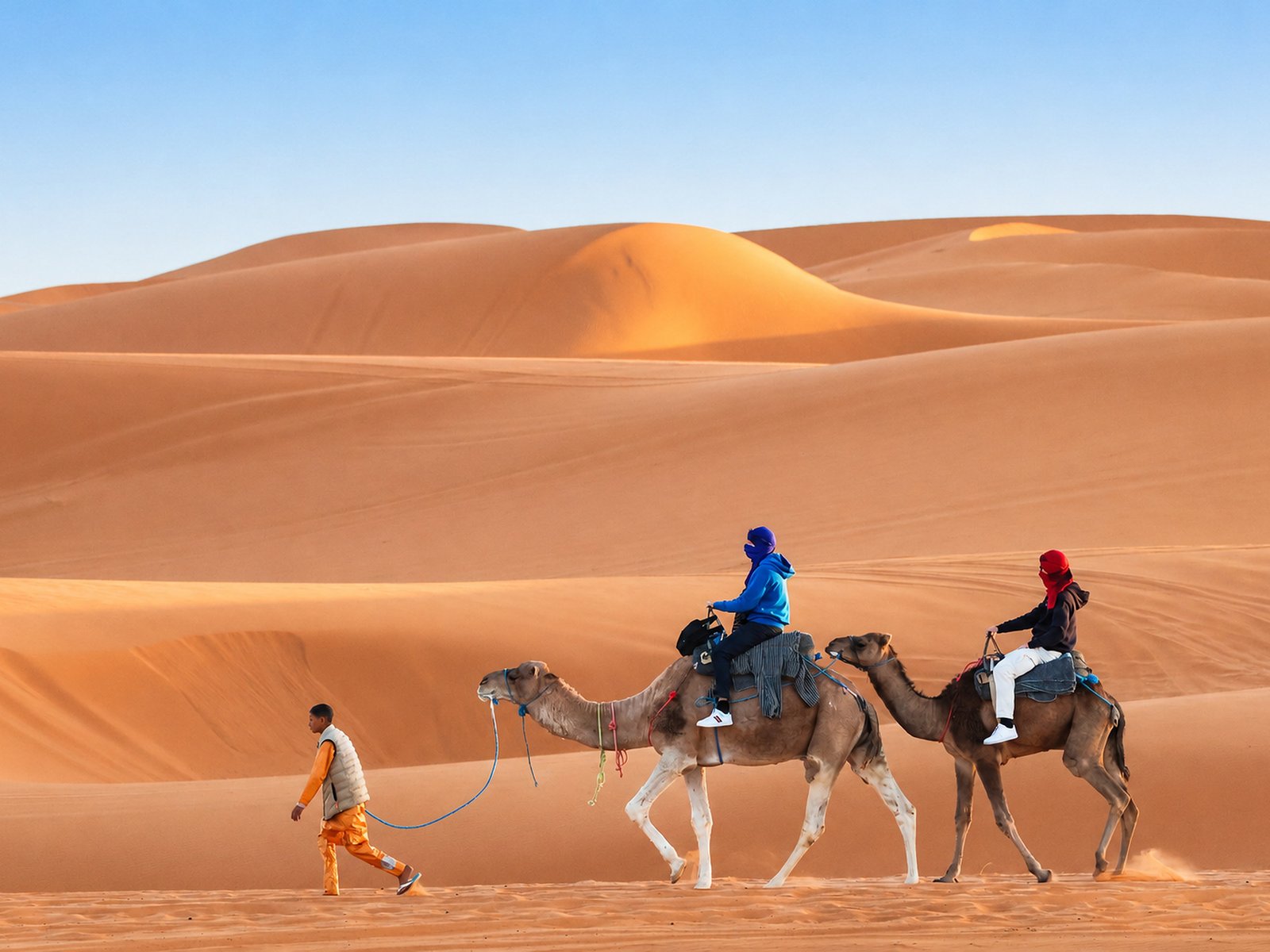
Leaving the busy streets of Marrakech behind and heading toward the golden dunes of Merzouga is one of the most memorable journeys you can make in Morocco.
The overland journey from Marrakech to the Sahara Desert takes you through a breathtaking cross-section of Morocco: winding mountain passes over the High Atlas, ancient earthen kasbahs, lush river valleys, dramatic rock gorges, and ultimately into the towering sand dunes of Erg Chebbi.
Whether you are planning a 3-day Marrakech to Merzouga guided desert tour, a private custom itinerary, or simply want to understand what the drive involves, this guide breaks down the route, the key stops, travel times, and practical advice for getting the most out of your journey.
How Far Is Merzouga From Marrakech?
The driving distance between Marrakech and Merzouga is approximately 560 kilometers (350 miles).
Without stopping, the total driving time is roughly 9 to 10 hours. However, traveling across Morocco is not simply about getting from point A to point B. The route crosses the rugged High Atlas Mountains and passes through several of Morocco's most celebrated cultural and historical landmarks.
Because of the distance and terrain, the journey is almost never driven in a single day on standard tours. Instead, travelers break the trip into two days of driving on the way to the desert, spending a night along the route in the Dades Valley or Ouarzazate.
Marrakech to Merzouga Route at a Glance
Here is the standard route sequence from Marrakech to the Sahara:
Marrakech → High Atlas Mountains → Tizi n'Tichka Pass → Aït Ben Haddou → Ouarzazate → Skoura/Rose Valley → Dades Valley → Tinghir → Todra Gorge → Erfoud/Rissani → Merzouga → Erg Chebbi
Most 3-day itineraries follow this classic trajectory:
- Day 1: Marrakech to the High Atlas Mountains, Aït Ben Haddou, Ouarzazate, and overnight in the Dades Valley or Boumalne Dades.
- Day 2: Dades Valley to Tinghir, Todra Gorge, Erfoud, Rissani, arriving in Merzouga for a sunset camel trek into Erg Chebbi and an overnight desert camp.
- Day 3: Sunrise over the dunes, breakfast, and return drive from Merzouga back to Marrakech (or onward to Fes).
Leaving Marrakech and Crossing the High Atlas Mountains
The journey begins early in the morning with departure from Marrakech. As the city fades into the rearview mirror, the flat Haouz plains quickly give way to the rising foothills of the High Atlas mountain range.
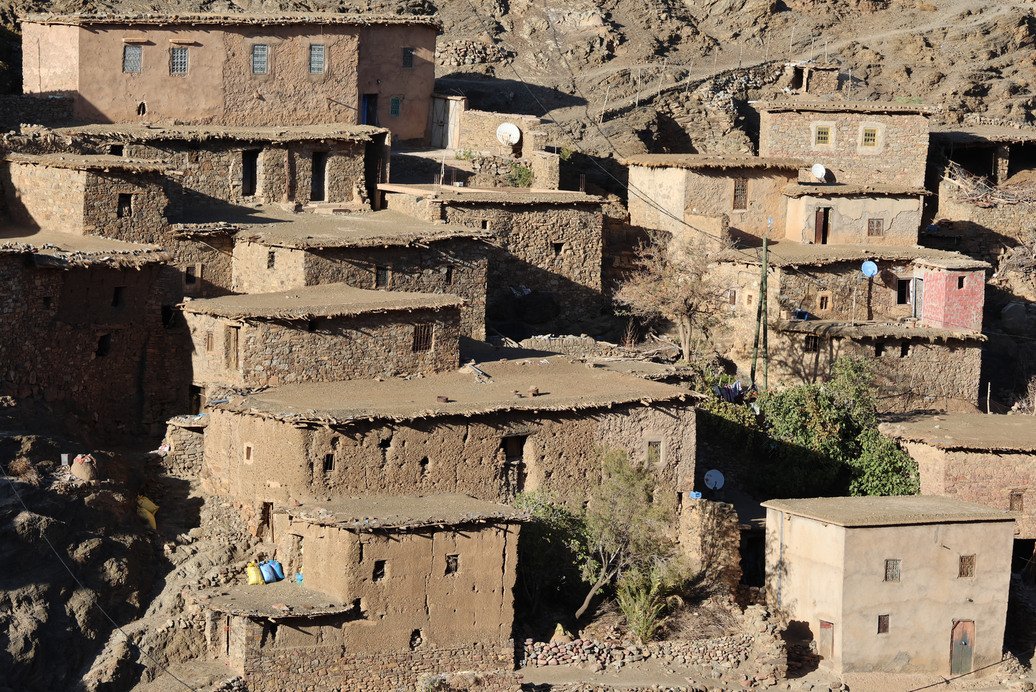
The road gradually ascends through Berber villages perched along terraced valleys with walnut groves and stone dwellings.
Tizi n'Tichka Pass
At an altitude of 2,260 meters (7,415 feet) above sea level, the Tizi n'Tichka Pass is the highest major mountain pass in North Africa.
Constructed originally by the French Legion in the 1930s and significantly modernized and widened in recent years, the pass offers spectacular sweeping views across deep canyons, barren peaks, and green valley bottoms. Drivers often pause at designated panoramic viewpoints near the summit for photos and refreshments before beginning the descent down the southern slopes toward the pre-Saharan plains.
Aït Ben Haddou
Descending from the Atlas Mountains, the landscape shifts from alpine greens to sun-baked ochres. One of the most famous stops on the route is the ancient fortified village of Aït Ben Haddou (Ksar Aït Benhaddou).
Recognized by UNESCO as a World Heritage Site, Aït Ben Haddou is one of the most striking and best-preserved examples of southern Moroccan earthen clay architecture (pisé). The ksar consists of a cluster of earthen dwellings, corner watchtowers, and fortified granaries rising dramatically above the Ounila River valley.
For centuries, Aït Ben Haddou served as an important trading post along the historic trans-Saharan caravan route linking Marrakech with Timbuktu and Sudan. In modern times, its dramatic architecture has made it a celebrated filming location for international films and television productions, including Gladiator, Lawrence of Arabia, The Mummy, and Game of Thrones. Visitors can cross the stepping-stone bridge and walk through the atmospheric narrow passageways up to the hilltop agadir (fortified granary) for panoramic views across the desert landscape.
Ouarzazate
Located approximately 30 kilometers east of Aït Ben Haddou, Ouarzazate is known as the "Door of the Desert" and the film capital of Morocco.
Set at an elevation of 1,160 meters, Ouarzazate is a regional administrative center with wide palm-lined boulevards and impressive earthen kasbahs. It is home to Kasbah Taourirt, an intricate 19th-century palace complex built by the Glaoui family, as well as the renowned Atlas Film Studios and CLA Studios, where large-scale film sets and historical props are preserved.
The Road of Kasbahs
Leaving Ouarzazate, the route eastward follows the renowned Road of a Thousand Kasbahs (National Route N10), running between the High Atlas range to the north and the rugged volcanic peaks of the Jbel Saghro range to the south.
This historic corridor is lined with hundreds of ancient mud-brick fortresses, fortified settlements, and lush oasis palm groves fed by snowmelt from the Atlas peaks.
Skoura and the Valley of Roses
Along the Road of Kasbahs, the route passes through Skoura, an extensive 12th-century oasis palm grove crisscrossed by traditional irrigation channels (khettaras) and home to the famous 17th-century Kasbah Amridil, famously depicted on the Moroccan 50-dirham banknote.
Further east lies the Valley of Roses (Vallée des Roses) surrounding the town of Kelaat M'Gouna. Famous for its fragrant Damascus roses (Rosa damascena), the valley harvests thousands of tons of rose petals each spring between April and May, transforming them into rosewater, essential oils, and cosmetic products celebrated throughout Morocco.
Dades Valley
The Dades Valley is where most 3-day and 4-day desert itineraries break for the first night.
Carved by the Dades River, the valley is known for its dramatic geological formations, including the famous "Monkey Fingers" rock cliffs and the winding switchback bends of the Dades Gorge (Tisdrine). Overnighting in a traditional riad or auberge nestled in the valley offers cool evening mountain air, authentic Berber hospitality, and a quiet respite before continuing toward the sand dunes the following day.
Tinghir and Todra Gorge
On the second morning, the journey continues toward the town of Tinghir and its sprawling palmery of over a million date palms.
Just beyond the town lies one of Morocco's most magnificent natural spectacles: Todra Gorge (Gorges du Todra).
What to Expect at Todra Gorge
Todra Gorge is a massive limestone canyon carved over millennia by the Todra and Dades rivers. At its narrowest point, the canyon walls soar vertically up to 300 meters (almost 1,000 feet) high, while the canyon floor narrows to just 10 to 20 meters wide with a clear mountain stream flowing along the base.
Visitors typically take a 20- to 30-minute walk along the canyon floor between the towering cliffs, admiring the dramatic rock faces popular with rock climbers from around the world and browsing local Berber handicraft stalls.
Erfoud and Rissani
Continuing east from Tinghir, the landscape flattens into expansive pre-Saharan plains and desert steppe.
The town of Erfoud is known as the date capital of Morocco and is world-famous for its unique fossil beds, where 350-million-year-old ammonites, trilobites, and orthoceras fossils are quarried and polished into decorative stonework.
A short drive further south is Rissani, the historic desert capital of the Tafilalet region and the ancestral home of Morocco's ruling Alaouite dynasty. Historically, Rissani was the final major outpost on the trans-Saharan trade route where camel caravans rested before crossing the desert. Today, its bustling traditional souk—held on Tuesdays, Thursdays, and Sundays—remains one of the most authentic market experiences in southern Morocco, featuring donkey parking areas, spice traders, dates, and traditional desert crafts.
Arriving in Merzouga
Leaving Rissani, the paved road leads directly to Merzouga, a small desert village situated directly at the foot of the magnificent Erg Chebbi sand dunes.
Rising abruptly from the flat black stone desert (reg), Erg Chebbi is an ocean of golden-orange sand dunes stretching roughly 28 kilometers from north to south and reaching heights of up to 150 meters (nearly 500 feet).
Upon arriving in Merzouga in the late afternoon, travelers transition from their vehicles to begin the desert camp experience.
Camel Trek Into Erg Chebbi
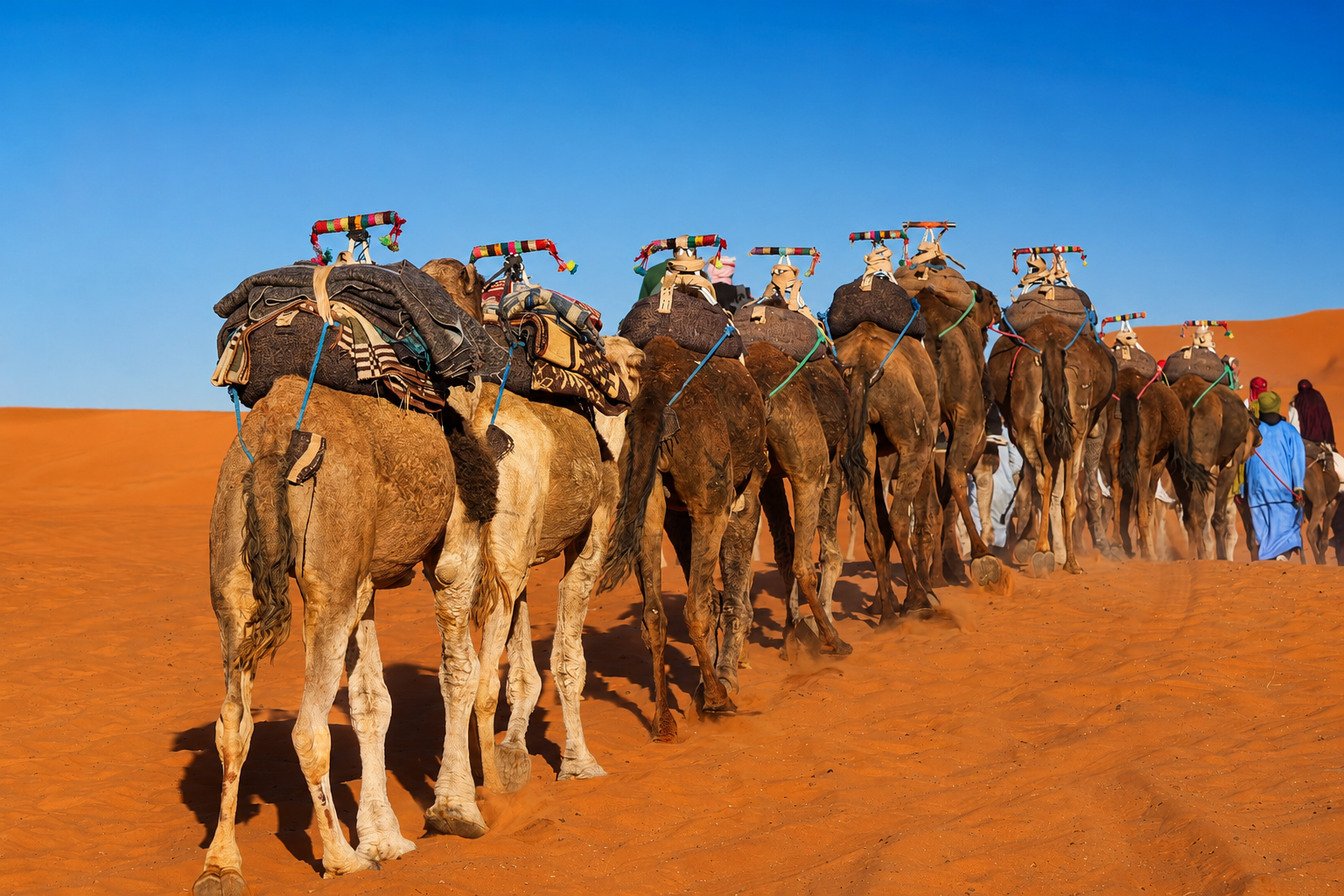
For most visitors, riding a camel across the dunes to a desert camp is the highlight of the entire journey.
Led by experienced local Berber camel handlers (caravaniers), the camel trek typically lasts between 45 minutes and 1.5 hours as you make your way deeper into the sea of dunes. The gentle, rhythmic swaying of the camels, the soft crunch of sand underfoot, and the peaceful silence of the Sahara create an unforgettable experience.
Sunset in the Sahara
As you ride through the dunes or reach a high vantage point near your camp, you will witness the changing light of a Sahara sunset.
The golden-orange sand dunes shift in color from bright amber to deep red and purple as the sun dips below the horizon, casting long, dramatic shadows across the dune ridges. It is one of the most photogenic moments in Morocco.
Overnight in a Merzouga Desert Camp
Spending the night in a desert camp under the vast Saharan sky is the centerpiece of the trip.
Modern desert camps range from comfortable standard camps to luxury tented suites. High-end luxury camps feature spacious walk-in canvas tents with king-size beds, handcrafted Moroccan rugs, private en-suite bathrooms with hot showers, and electricity.
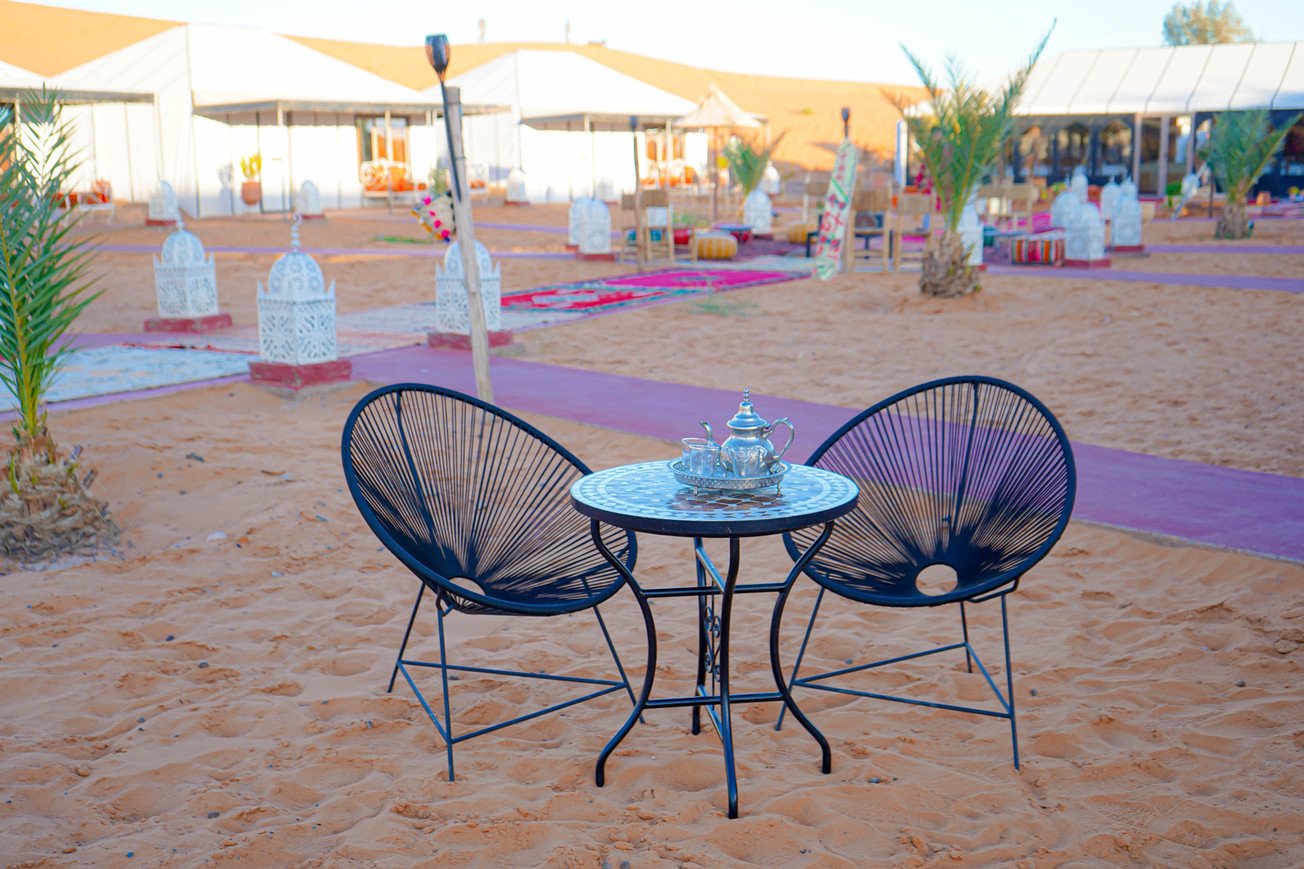
Evenings in the camp include a traditional Moroccan multi-course dinner (such as tagines, fresh salads, and mint tea), followed by a gathering around an open campfire where local Berber musicians play traditional drums and sing Saharan desert folk songs.
With virtually zero light pollution, the night sky over Erg Chebbi reveals millions of stars, constellations, and the Milky Way with breathtaking clarity.
Sunrise Over Erg Chebbi
The following morning, waking up before dawn is well worth the early alarm.
Climbing to the top of a nearby sand ridge to watch the sunrise reveals the desert bathed in soft pink, gold, and amber morning light. After breakfast at the camp, you return to Merzouga by camel or 4x4 vehicle to begin your onward journey.
How Many Days Do You Need From Marrakech to Merzouga?
Choosing the right duration for your desert trip depends on your overall Morocco travel schedule and travel style.
3-Day Marrakech to Merzouga Tour
The 3-Day Marrakech to Merzouga Guided Desert Tour is the classic and most popular itinerary. It provides enough time to see the primary highlights—Aït Ben Haddou, Dades Valley, Todra Gorge, and Erg Chebbi—with one night in Dades and one night in the desert camp. The final day involves a long return drive back to Marrakech (approx. 9 hours of driving including stops).
4-Day Marrakech to Merzouga Tour
A 4-day itinerary is ideal for travelers who prefer a more relaxed pace. With an additional day, you can spend more time exploring the Berber villages of the Atlas, hiking deeper into the Dades or Todra gorges, visiting the Draa Valley, or continuing onward to finish your tour in the historic imperial city of Fes rather than doubling back to Marrakech.
What Is the Drive Really Like?
Travelers often wonder whether the drive is grueling.
While the distances are substantial, the drive itself is an integral part of the Morocco experience. The scenery changes dramatically every couple of hours—from bustling city to snow-capped mountain peaks, terraced green valleys, earthen clay fortresses, palm oases, and finally sweeping sand dunes.
Roads along the main national routes (N9 and N10) are paved and well maintained. Professional drivers know the best spots to stop for clean restrooms, fresh mint tea, scenic photo viewpoints, and authentic local meals.
Private Tour or Shared Desert Tour?
When planning your trip, you can choose between a shared group tour and a private tour.
Shared Marrakech to Merzouga Tour
Shared tours are typically conducted in 14- to 17-seat minibuses with a group of travelers. They offer a budget-friendly option for solo backpackers, though schedules are rigid and group stops are fixed.
Private Marrakech to Merzouga Tour
A private tour provides a dedicated 4x4 vehicle or comfortable minivan with an experienced English-speaking driver-guide exclusively for your party. Advantages include door-to-door riad pickup, flexible departure times, personalized photo stops, upgraded boutique accommodations, and the freedom to explore at your own pace.
What Should You Bring?
Packing for the desert requires preparing for both warm days and chilly desert nights.
Key essentials include:
- Lightweight, breathable clothing for daytime
- A warm sweater, fleece, or jacket for chilly desert evenings and mornings
- A Moroccan cotton scarf or cheche to protect against sun and blowing sand
- Comfortable closed walking shoes for rocky terrain and sand
- High-SPF sunscreen, sunglasses, and moisturizing lip balm
- A portable power bank for keeping phones and cameras charged
- A small overnight backpack for the camel trek and camp stay
For a complete checklist, read our guide to What to Pack for a Sahara Desert Tour in Morocco.
Best Time to Travel From Marrakech to Merzouga
The best seasons for traveling from Marrakech to Merzouga are spring (March to May) and autumn (September to November). During these months, daytime temperatures are pleasantly warm (22°C to 28°C / 72°F to 82°F) and evening temperatures are mild.
Winter (December to February) offers crisp, clear, sunny days ideal for photography, though desert nights can drop close to freezing (0°C to 5°C / 32°F to 41°F), making warm layers and heated camp tents essential.
Summer (June to August) brings extreme desert heat, with midday temperatures often exceeding 40°C (104°F). If traveling in summer, activities are scheduled around early mornings and late evenings.
Is Merzouga Worth the Long Drive From Marrakech?
Without question, yes. Merzouga and the Erg Chebbi dunes offer the quintessential, postcard-perfect Sahara Desert experience that most travelers picture when dreaming of Morocco.
Unlike the smaller and rockier desert near Zagora, Erg Chebbi features massive, rolling sand dunes that stretch as far as the eye can see. The combination of crossing the High Atlas, walking through ancient kasbahs, riding camels into golden dunes, and sleeping under a canopy of Saharan stars makes this one of the most rewarding travel experiences in the world.
Frequently Asked Questions About Marrakech to Merzouga
How far is Marrakech from Merzouga?
The road distance is approximately 560 kilometers (350 miles). Driving straight through takes around 9 to 10 hours, which is why tours divide the journey over multiple days.
Can you travel from Marrakech to Merzouga in one day?
While technically possible by driving nonstop for 10 hours, it is strongly discouraged. You would miss all the scenic highlights along the way (Aït Ben Haddou, Dades Valley, Todra Gorge) and arrive in the desert after dark, missing the sunset and camel trek.
Is a 3-day Marrakech to Merzouga tour enough?
Yes, a 3-day tour is the most popular way to experience the Sahara. You spend one night along the route in the Dades Valley and one night in an Erg Chebbi desert camp, with time for all primary highlights.
Is Merzouga actually in the Sahara Desert?
Yes. Merzouga is located in southeastern Morocco at the edge of the Erg Chebbi dune field, which forms part of the greater Sahara Desert.
Do Marrakech to Merzouga tours visit Aït Ben Haddou?
Yes, nearly all guided Marrakech to Merzouga itineraries stop at the UNESCO World Heritage ksar of Aït Ben Haddou on the first day of travel.
Do you have to ride a camel in Merzouga?
No. While camel trekking is the traditional way to reach desert camps, 4x4 vehicle transfers across the dunes can easily be arranged for travelers who prefer not to ride a camel.
What is better: Zagora or Merzouga?
Merzouga is widely considered superior for travelers seeking grand golden sand dunes. Zagora is closer to Marrakech (suitable for a quick 2-day trip) but features flat, rocky desert (reg) with low dunes, whereas Merzouga offers the towering, dramatic sand dunes of Erg Chebbi.
Marrakech to Merzouga With Morocco Guided Tours
At Morocco Guided Tours, we specialize in private, tailor-made desert journeys across southern Morocco. Our experienced local Berber drivers and guides ensure your journey from Marrakech across the Atlas to the Sahara is safe, seamless, comfortable, and deeply enriching.
Ready to travel from Marrakech to the Sahara? Explore our Marrakech to Merzouga guided desert tours or contact Morocco Guided Tours to build your private itinerary.
Recommended Tours for this Route
3-Day Marrakech to Merzouga Guided Desert Tour
Cross the High Atlas Mountains, explore ancient kasbahs, and sleep under the Saharan stars.
Ready to Experience Morocco First-Hand?
Let our local guides craft a personalized tour around your travel schedule and interests.
More Morocco Travel Articles
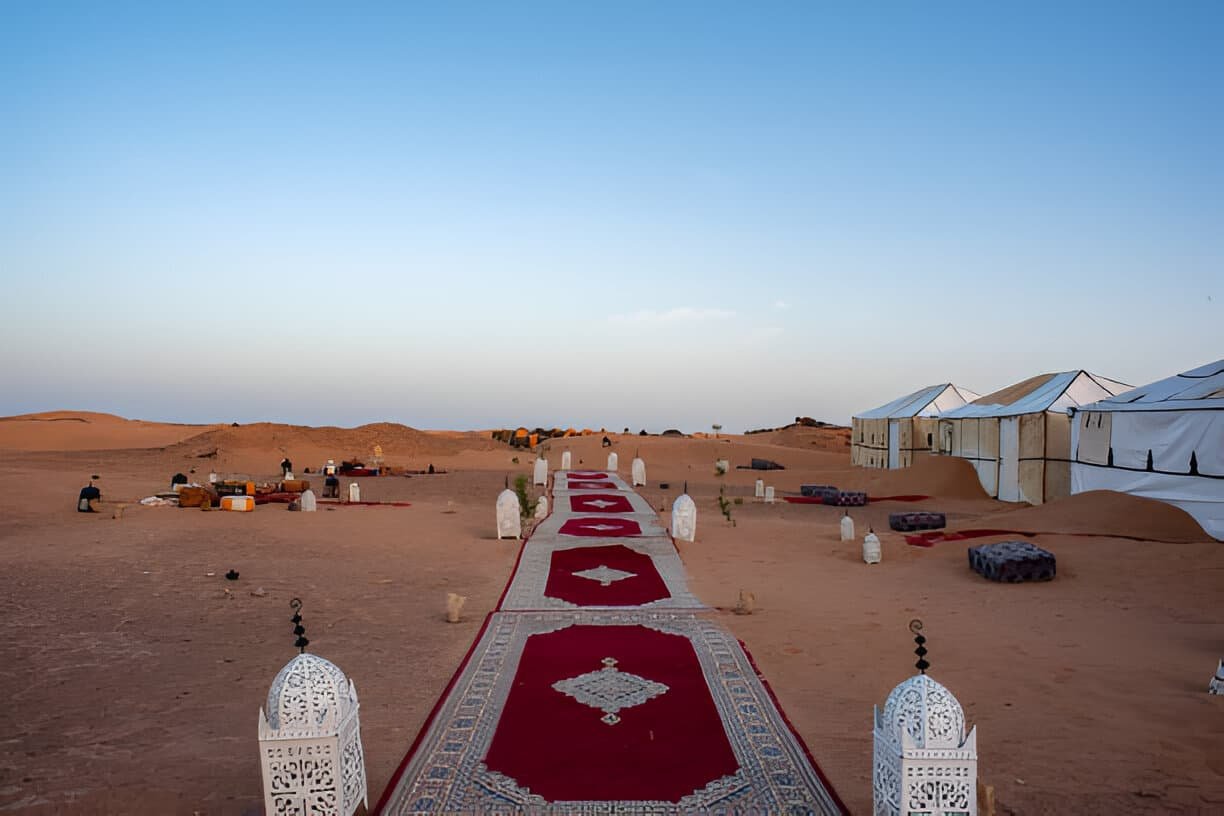
What to Pack for a Sahara Desert Tour in Morocco
Planning a Morocco desert trip? Discover exactly what to pack for a Sahara Desert tour, including clothing, footwear, sun protection, toiletries, and camel-trek essentials.
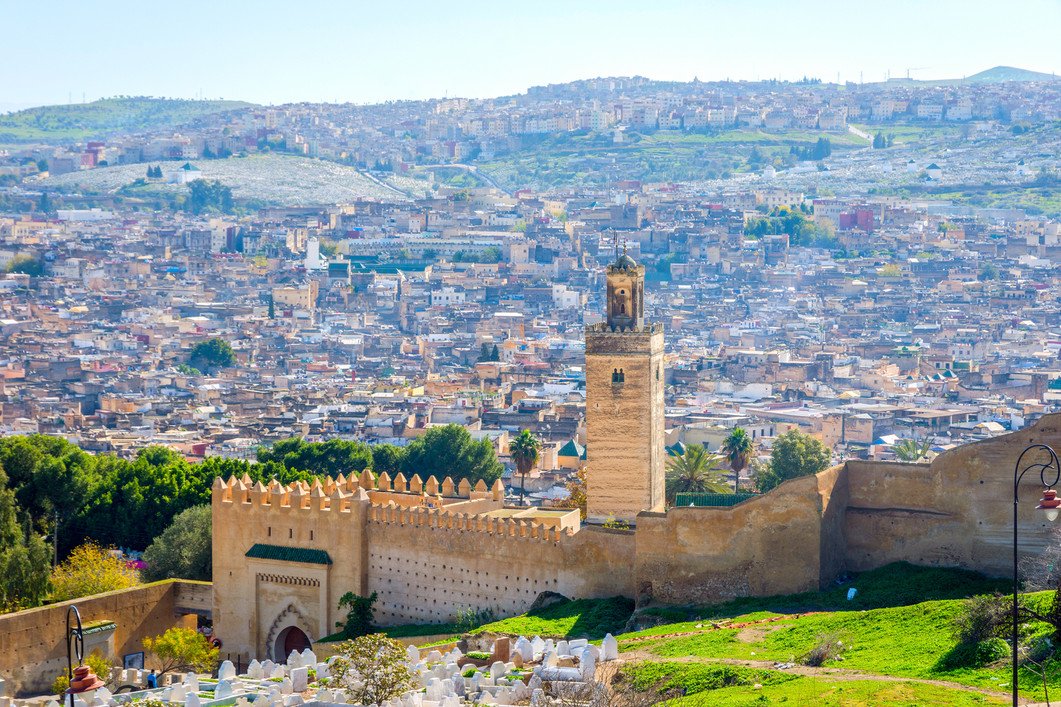
The Best Morocco Itinerary for First-Time Visitors
Planning your first trip to Morocco? Follow this 10-day Morocco itinerary through Casablanca, Rabat, Chefchaouen, Fes, Merzouga, the Sahara, Dades Valley, Aït Ben Haddou, and Marrakech.
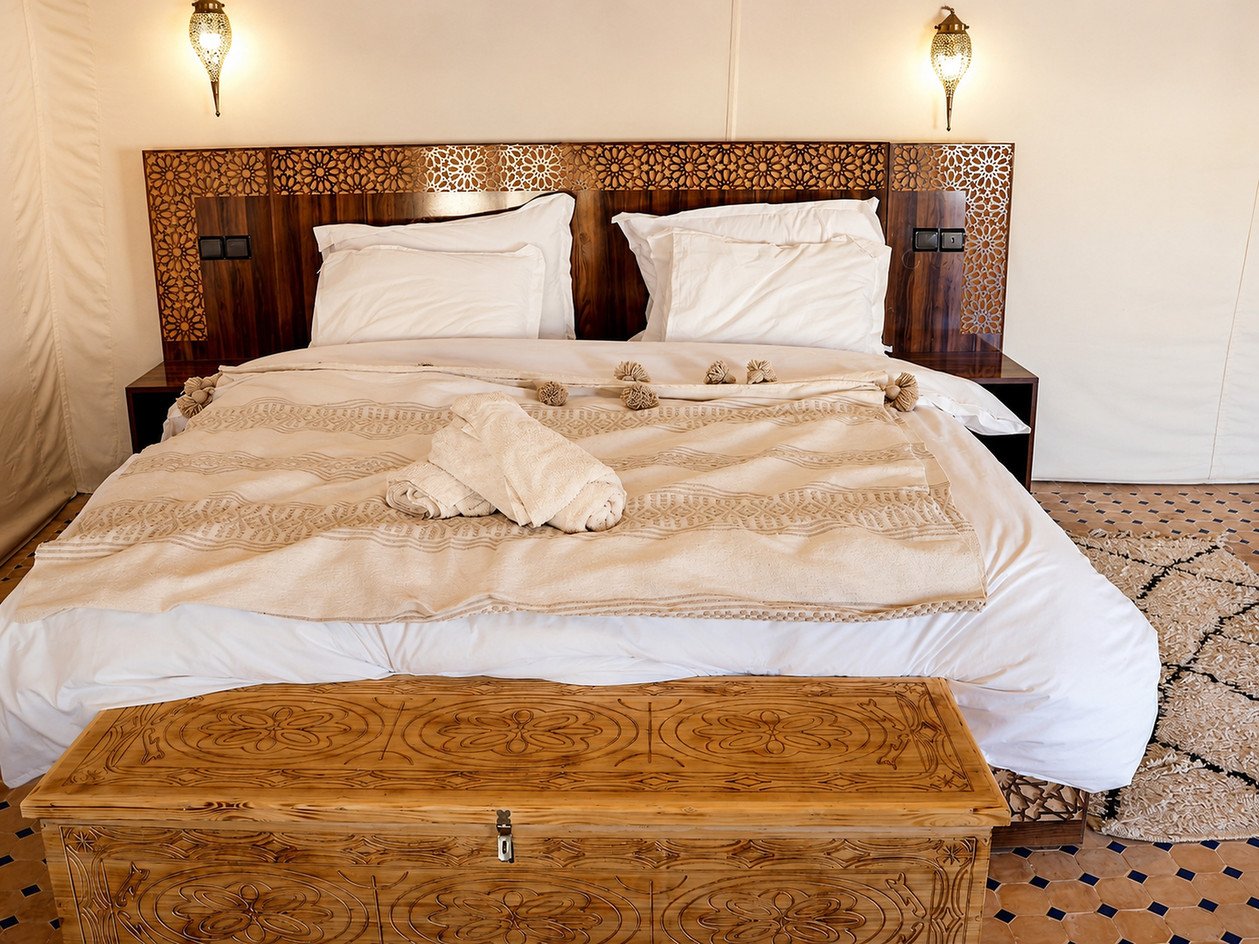
How Much Does a Private Guided Tour in Morocco Cost?
Transparent breakdown of private transport, boutique riad stays, local guides, and daily budget expectations.