

Dades Valley & Todra Gorge
Between the High Atlas and the desert landscapes of southeastern Morocco, Dades Valley and Todra Gorge offer some of the country’s most dramatic mountain scenery, winding hairpin passes, and lush palm oases.
Why Go to Dades Valley & Todra Gorge
Between the High Atlas and the desert landscapes of southeastern Morocco, Dades Valley and Todra Gorge offer some of the country's most dramatic mountain scenery. The region combines deep red-rock canyons, fertile river valleys, palm groves, traditional earthen villages and spectacular mountain roads. Morocco's National Tourism Office highlights the Dades Valley as one of the signature attractions of the Ouarzazate–Zagora–Tinghir region and promotes both the Dades and Todra areas for trekking and exploration.
The Dades Valley is often associated with Morocco's “Road of a Thousand Kasbahs.” Green fields and villages follow the Dades River while barren mountains rise abruptly on either side. Farther into the gorge, the road climbs through a celebrated sequence of tight hairpin bends before continuing into increasingly rugged High Atlas scenery. Morocco's tourism authority specifically features the winding roads of the Dades Gorges as one of the region's defining experiences.
Around Tinghir and Todra Gorge, the landscape changes into a broad palm-filled oasis before narrowing dramatically at Todgha Gorge. Official Moroccan tourism material describes the gorge's rock walls as reaching roughly 300 meters in height.
Together, Dades and Todra make an excellent stop between Ouarzazate and the Sahara. The attraction is not one single monument but the combination of scenic driving, walking, mountain landscapes, traditional settlements and Amazigh culture.
Best of Dades Valley & Todra Gorge
Best Places to Stay
Accommodation is spread between Boumalne Dades and the Dades Gorge on one side and Tinghir/Todra Gorge on the other. These are real currently listed properties rather than an official ranking:
Hotel Xaluca Dades
A larger hotel overlooking the Dades Valley, situated at an altitude of 1,612 meters with panoramic views over the canyon landscape.
Dar Rihana Dades
A tranquil traditional guesthouse nestled in the upper Dades Valley with authentic Berber hospitality and mountain views.
La Perle du Dades
A charming boutique property set amidst lush riverside gardens with comfortable rooms and home-cooked Moroccan dinners.
Riad des Vieilles Charrues
A warm, welcoming riad in the Dades region featuring traditional architecture, swimming pool, and scenic valley terraces.
Hotel Riad Bahammou
A comfortable kasbah-style hotel offering authentic dining and peaceful surroundings near Boumalne Dades.
Berbère de la Montagne
An authentic mountain guesthouse in the heart of the Dades Gorge offering spectacular canyon panoramas and hiking access.
Auberge Le Festival Todra Gorge
An eco-lodge built into the natural rock formations near Todra Gorge, featuring unique cave rooms and outdoor activities.
Guesthouse Panorama Todra
A scenic property perched above the Tinghir palm oasis offering wide views of the verdant valley and surrounding cliffs.
La Petite Gorge
An intimate, peaceful inn situated at the entrance of Todra Gorge, ideal for rock climbers and canyon walkers.
Hotel Les Jardins des Gorges Todgha
A relaxing retreat surrounded by date palms and gardens along the Todra River approach near Tizgui.
Hotel Xaluca Dades describes its location at an altitude of 1,612 meters with panoramic views over the valley, while current accommodation listings confirm properties such as Dar Rihana, Riad des Vieilles Charrues, Berbère de la Montagne and Auberge Le Festival in the two gorge areas.
If your priority is Dades Gorge, staying farther up the valley rather than only in Boumalne saves driving time and gives you quieter mornings and evenings. For Todra Gorge, staying around Tizgui or inside the gorge approach puts you much closer to the canyon than central Tinghir.
Best Things to Do
Hiking is one of the activities specifically promoted by Morocco's tourism authority in the Dades Gorges, while Tinghir is presented as a gateway from its palm grove into Todra Gorge.
Drive the spectacular Dades Gorge road
Follow the dramatic winding route carved along the Dades River through red-rock cliffs and fortified mud-brick kasbah settlements.
Stop above the famous Dades hairpin bends
Gaze down at the iconic Tisdrine snake-road pass from the cliffside cafe viewpoint, one of Morocco’s most photographed mountain landscapes.
Hike through the Dades Valley and surrounding canyons
Explore scenic trails through terraced barley fields, almond orchards, and narrow tributary gorges with an experienced local guide.
See the unusual Monkey Fingers rock formations
Admire the surreal eroded conglomerate cliffs known as the "Cliffs of Tamlalt" or Monkey Fingers, resembling massive stone fingers rising above the river.
Walk through the narrowest section of Todra Gorge
Step beneath the sheer 300-meter vertical limestone canyon walls where the gorge narrows to just over 10 meters wide with a crystal mountain stream.
Explore the Tinghir palm oasis
Stroll through a lush 30-kilometer ribbon of date palms, olive groves, and ancient earthen irrigation canals contrasting sharply with desert mountains.
Take a longer guided hike around Todra
Venture up onto the plateau above Todra Gorge to visit nomadic pastoralist encampments and take in vast High Atlas mountain vistas.
Try rock climbing in Todra Gorge with an experienced operator
Challenge world-renowned limestone crags offering over 400 bolted climbing routes ranging from beginner single-pitch to multi-pitch big walls.
Explore traditional villages and earthen kasbah architecture
Visit centuries-old fortified ksour and rammed-earth kasbahs along the Road of a Thousand Kasbahs that preserve ancient Amazigh building crafts.
Combine the region with Kelaat M'Gouna and the Valley of Roses
Journey through the nearby Asif M’Goun river basin, famous for fragrant Persian Damascus rose harvests, artisanal rosewater distilleries, and spring blossoms.
Dades Valley & Todra Gorge Travel Tips
Best Months to Visit
For most travelers, March through May and September through November provide the best balance of temperature and hiking conditions.
Spring brings relatively mild days and greener valleys. Historical regional climate data show average highs around 73°F (23°C) in March, 81°F (27°C) in April and 88°F (31°C) in May.
Autumn is similarly attractive. September can still be hot, but October averages around 82°F (28°C) by day in the Tinghir reference data, while November cools to approximately 72°F (22°C).
July and August can be extremely hot, particularly around Tinghir and exposed canyon floors. Historical highs reach approximately 102°F (39°C) in July and 100°F (38°C) in August. Winter days can be comfortable, but nights become cold, especially at higher elevations in the Dades Valley. Check our guide on the Best Time to Visit Morocco for comprehensive seasonal recommendations.
Weather in the Dades–Todra Region
The following figures use Tinghir regional climate data as a practical reference:
Average Temperature (°F)
Monthly average high and low temperatures in the Dades–Todra reference area.
Average Precipitation (in)
Historical average monthly rainfall in inches across the calendar year.
| Month | Average High (°F) | Average Low (°F) | Precipitation (in) |
|---|---|---|---|
| Jan | 63° | 36° | 0.26 in |
| Feb | 68° | 41° | 0.69 in |
| Mar | 73° | 48° | 0.5 in |
| Apr | 81° | 54° | 0.35 in |
| May | 88° | 61° | 0.28 in |
| Jun | 97° | 68° | 0.28 in |
| Jul | 102° | 73° | 0.15 in |
| Aug | 100° | 72° | 0.41 in |
| Sep | 91° | 64° | 0.79 in |
| Oct | 82° | 57° | 0.6 in |
| Nov | 72° | 46° | 0.33 in |
| Dec | 64° | 39° | 0.46 in |
What You Need to Know
- Give the region at least two nights if possible. Dades and Todra are separate valleys, and trying to see both properly in a rushed transit day leaves little time for walking. See our travel guide on How Many Days Do You Need in Morocco?
- Start hikes early. Summer heat becomes intense during the afternoon, particularly in exposed sections of Todra.
- Bring layers. The large difference between daytime and nighttime temperatures is noticeable, particularly in winter and at higher Dades elevations. Review our Packing List for Morocco for layered clothing ideas.
- Wear proper footwear. Canyon paths can be rocky, uneven and occasionally involve streambeds.
- Check weather before entering narrow gorges. Morocco's current travel guidance warns that flash flooding can occur during the rainy season and can wash out rural roads.
- Do not rely blindly on GPS for mountain shortcuts. Some routes between the Dades and Todra valleys are rough tracks rather than ordinary paved roads; even Morocco's tourism office notes that off-road links can become difficult or impassable after severe winter conditions.
- Carry cash. Morocco's dirham is the local currency, and current State Department information notes that many smaller establishments accept only cash.
How to Save Money
- Use Boumalne Dades or Tinghir as your base. Accommodation and food can be less expensive than at some remote scenic lodges.
- Use scheduled coaches for the long-distance sections. CTM operates a broad Moroccan intercity network, while Supratours serves destinations outside the railway network and currently lists Tinghir among its departure points.
- Hike independently on simple routes. You do not need a paid activity merely to walk through the main Todra Gorge or enjoy accessible Dades viewpoints.
- Hire a guide selectively. A local guide is much more valuable for longer canyon loops, remote villages or mountain trails than for simple roadside sightseeing.
- Eat at guesthouses and local restaurants. Many accommodations offer set Moroccan dinners that can be both filling and economical.
Culture & Customs
The Dades and Todra valleys form part of the cultural landscape of southern Morocco, where Amazigh traditions and earthen architecture remain particularly visible. UNESCO's description of nearby Aït Ben Haddou notes that traditional earthen settlement types occur throughout the Drâa, Todgha and Dadès valleys, placing these gorges within the broader architectural heritage of the Moroccan south.
Villages in the valleys contain adobe and rammed-earth houses, kasbahs, irrigated fields and gardens that contrast dramatically with the surrounding mountains. The Tinghir oasis is specifically highlighted by Morocco's tourism office as part of the approach to Todra Gorge.
Arabic and Amazigh are Morocco's official languages, while Darija—Moroccan Arabic—is widely used in daily conversation. French is also common in tourism. Basic expressions such as “Salam” for hello and “Chokran” for thank you are useful.
The region is more rural and traditional than Morocco's biggest tourism centers. Relatively modest clothing is therefore a respectful choice when walking through villages, and you should ask permission before taking close photographs of residents or their homes.
During Ramadan, many local residents fast between dawn and sunset, and restaurant or shop schedules may change.
What to Eat
Food in the Dades–Todra region tends to be hearty and well suited to long days outdoors. Morocco's tourism authority specifically lists Berber couscous among the signature experiences of the wider Ouarzazate–Zagora–Tinghir region.
Look for:
- Berber couscous, generally served with vegetables and meat
- Tagine, slow-cooked with vegetables, chicken, lamb or beef
- Harira, a filling Moroccan soup
- Brochettes, grilled meat skewers
- Moroccan salads
- Fresh bread
- Dates and dried fruit
- Mint tea
Guesthouses are often among the most enjoyable places to eat. In remote parts of the gorge, dinner may be prepared specifically for overnight guests rather than from a large restaurant menu.
For hikers, carry water and snacks rather than assuming food will be available along mountain routes.
Safety
The main practical safety issues in Dades and Todra are road conditions, heat, hiking terrain, flash floods and the relative remoteness of the area.
Morocco's current travel guidance warns that secondary rural roads can be narrow and poorly paved and that Atlas Mountain roads can be steep, winding and hazardous. It also notes that flash flooding during the wetter season can damage roads and even wash away vehicles.
Never drive into floodwater or enter a narrow canyon when heavy rain is affecting the watershed upstream. Even if the weather directly above you appears manageable, runoff can arrive from elsewhere in the mountains.
For longer hikes, carry sufficient water, sun protection and an offline map, and consider a local guide on unfamiliar routes. Medical response can take longer in rural Morocco, and current U.S. guidance notes that appropriate medical care may require travel to a larger city.
As of August 2026, the U.S. State Department lists Morocco at Level 2: Exercise Increased Caution due to terrorism and recommends staying alert in tourist areas and avoiding demonstrations and crowds.
Getting Around Dades Valley & Todra Gorge
A rental car, private driver or organized tour provides the most flexibility because the main attractions are spread across two separate valleys.
For Dades, Boumalne Dades is the principal gateway. From there, the road follows the valley northeast past villages and rock formations before climbing into the famous gorge and hairpin bends.
For Todra, Tinghir is the main gateway. The road leaves town through its palm-filled valley and continues toward the narrow canyon. Morocco's tourism authority describes Tinghir as the starting point for views across the palm grove toward Todra Gorge.
There is no passenger railway serving Dades or Tinghir, so the final journey is by road. Supratours explicitly provides coach continuations to Moroccan destinations not served by rail and currently lists Tinghir in its network. CTM also operates more than 100 destinations nationally.
If arriving by air, Ouarzazate Airport is a practical gateway from the west. ONDA currently lists taxi service, car rental, currency exchange, internet and medical assistance at the airport. Hotel Xaluca Dades gives its own distance from Ouarzazate Airport as approximately 114 km.
From the east, travelers often approach through Erfoud and the Merzouga region before reaching Tinghir.
Entry & Exit Requirements
Dades Valley and Todra Gorge follow the same immigration rules as the rest of Morocco.
For U.S. citizens, current State Department guidance states that no tourist visa is required for stays of 90 days or less. It currently specifies a passport with at least six months' validity at the time of entry and at least one blank page per entry stamp.
Travelers who stay longer than 90 days without arranging an extension may need to resolve their immigration status before leaving Morocco and may have to pay a fine.
Travelers using passports from other countries should check the rules applying to their nationality. Visa and passport requirements can change, so they should always be reconfirmed with an official Moroccan government or consular source before departure.
Guided Tours Visiting Dades Valley
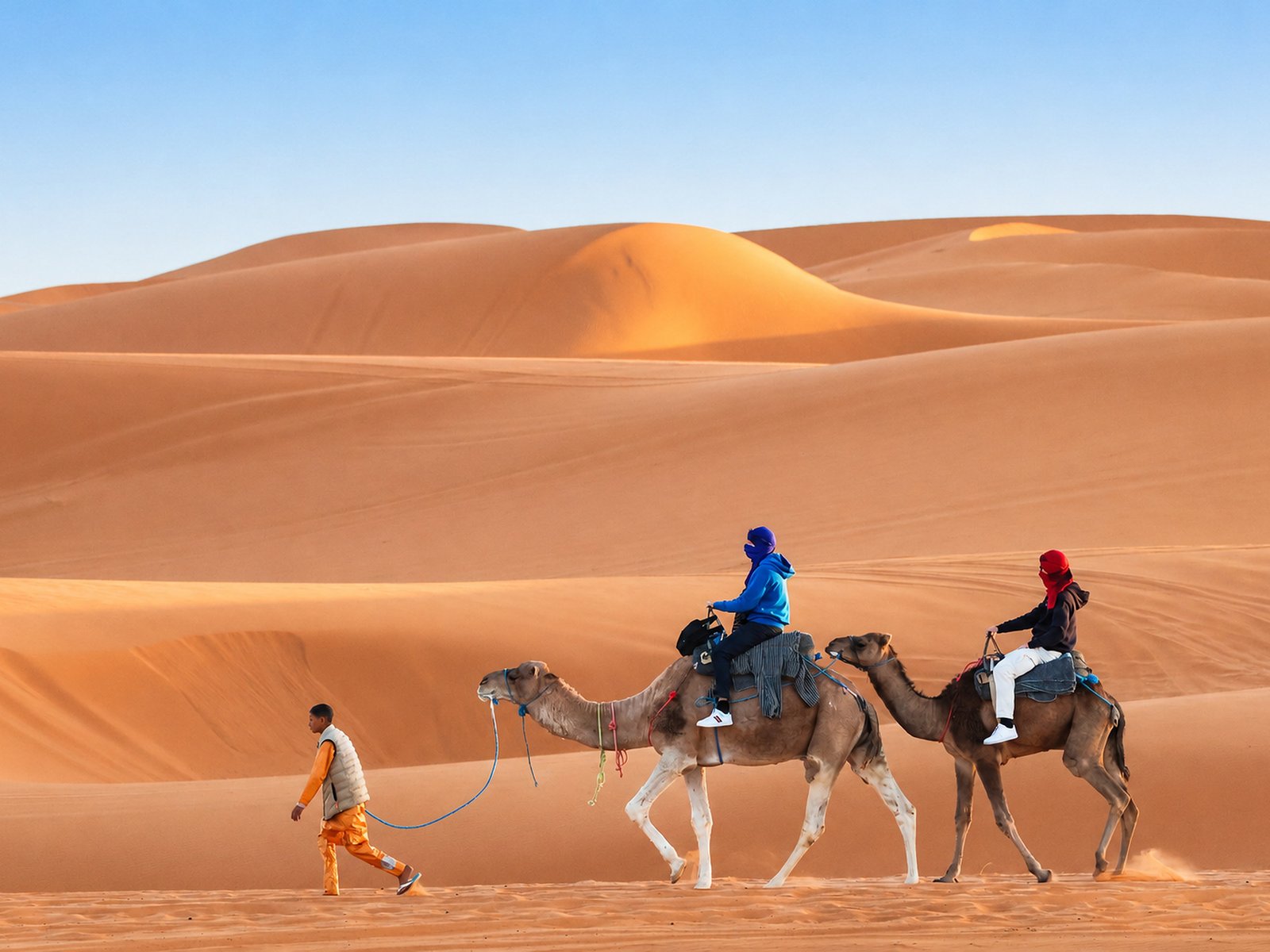
3-Day Marrakech to Merzouga Guided Desert Tour
Cross the High Atlas Mountains, explore ancient kasbahs, and sleep under the Saharan stars.

4-Day Fes to Merzouga Guided Desert Tour
Roundtrip guided desert journey from Fes through the Middle Atlas, Ziz Valley, and Erg Chebbi dunes.

10-Day Morocco Grand Guided Tour
The ultimate guided 10-day journey from Casablanca to Marrakech via Chefchaouen, Fes, Merzouga Sahara, and High Atlas.
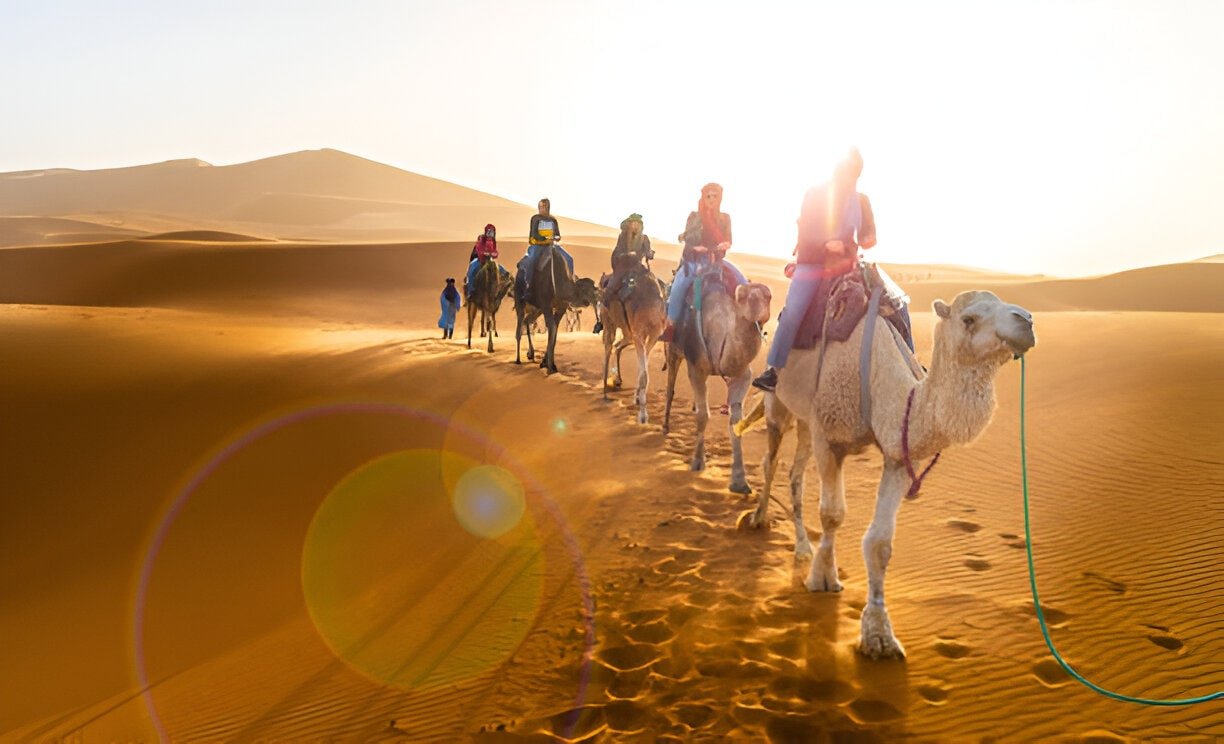
5-Day Marrakech to Fes Guided Desert Expedition
A 5-day one-way desert expedition from Marrakech to Fes through Ait Ben Haddou, Dades, Todra Gorge, and Erg Chebbi with two desert camp nights.
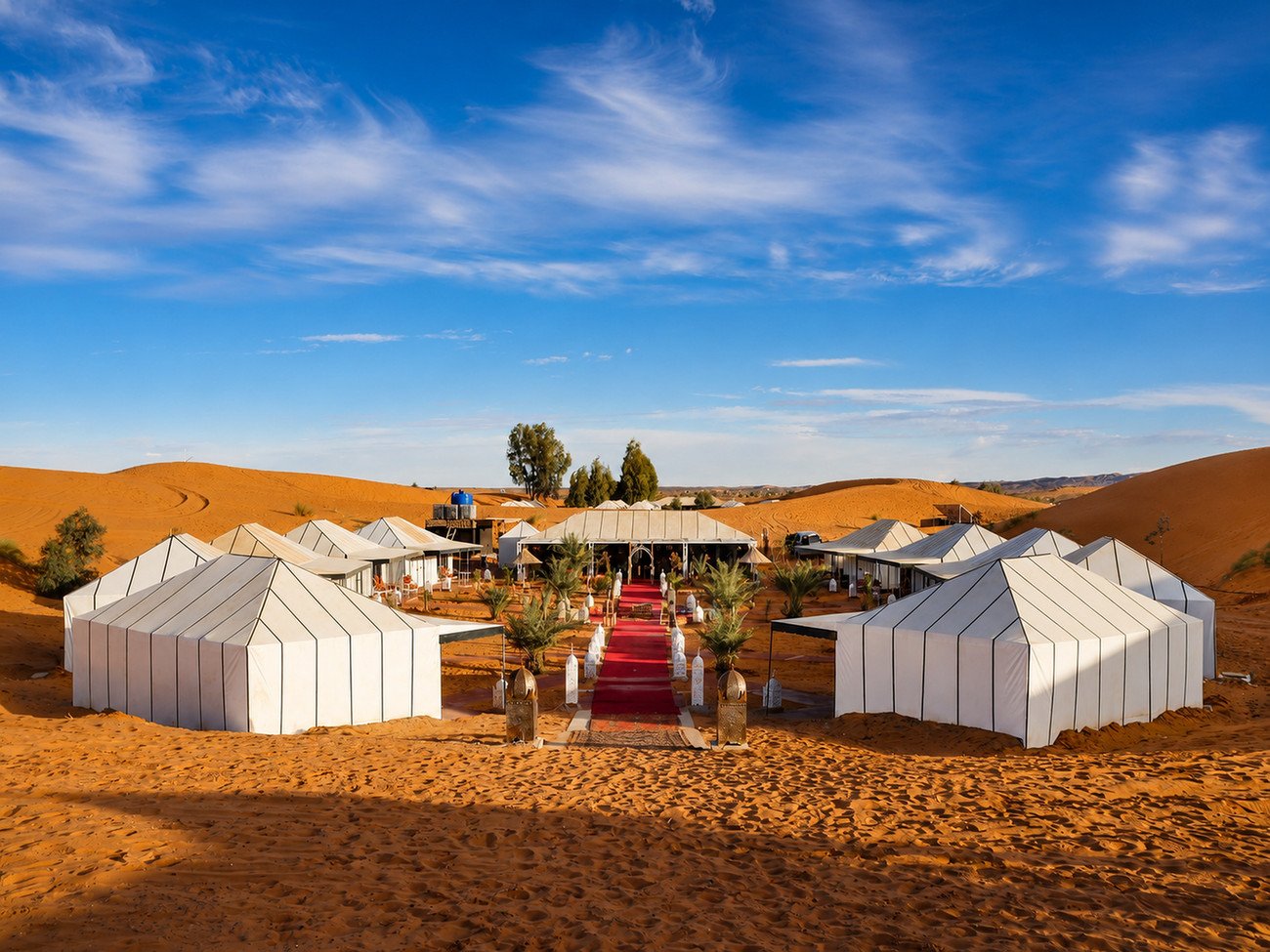
4-Day Luxury Guided Sahara Desert Experience
A 4-day luxury Sahara desert roundtrip journey from Marrakech featuring boutique kasbahs, two nights in an Erg Chebbi camp, and a scenic Draa Valley return.
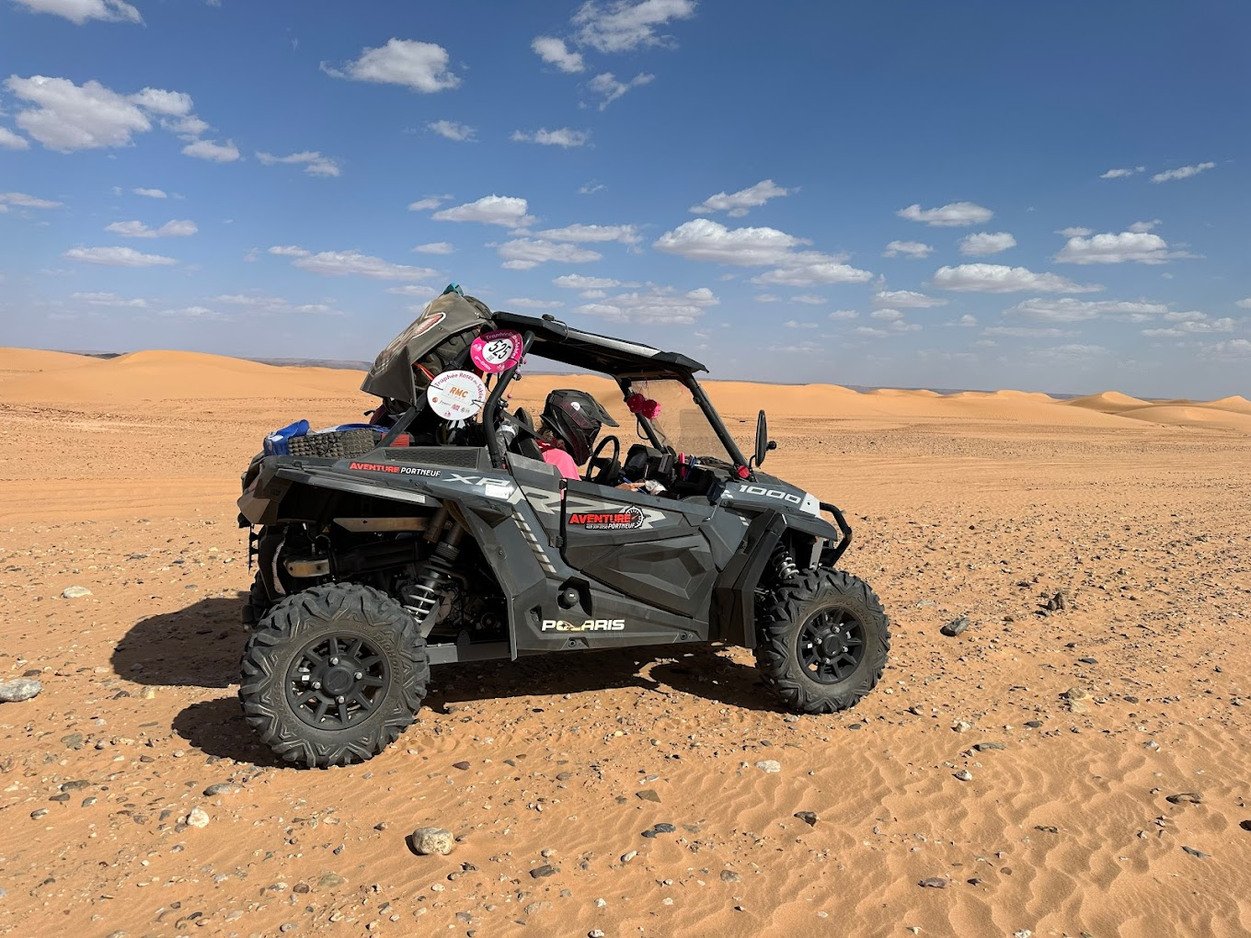
6-Day Morocco Family Guided Adventure Tour
A guided 6-day family adventure from Marrakech combining sunrise hot-air ballooning, Atlas Mountains hiking, Todra Gorge rock climbing, Sahara camel trekking, luxury desert camping, and UNESCO kasbahs.

14-Day Ultimate Morocco Guided Grand Discovery
An extraordinary 14-day guided grand journey from Tangier to Marrakech via Chefchaouen, Fes, Merzouga Sahara, Ait Ben Haddou, and Essaouira.
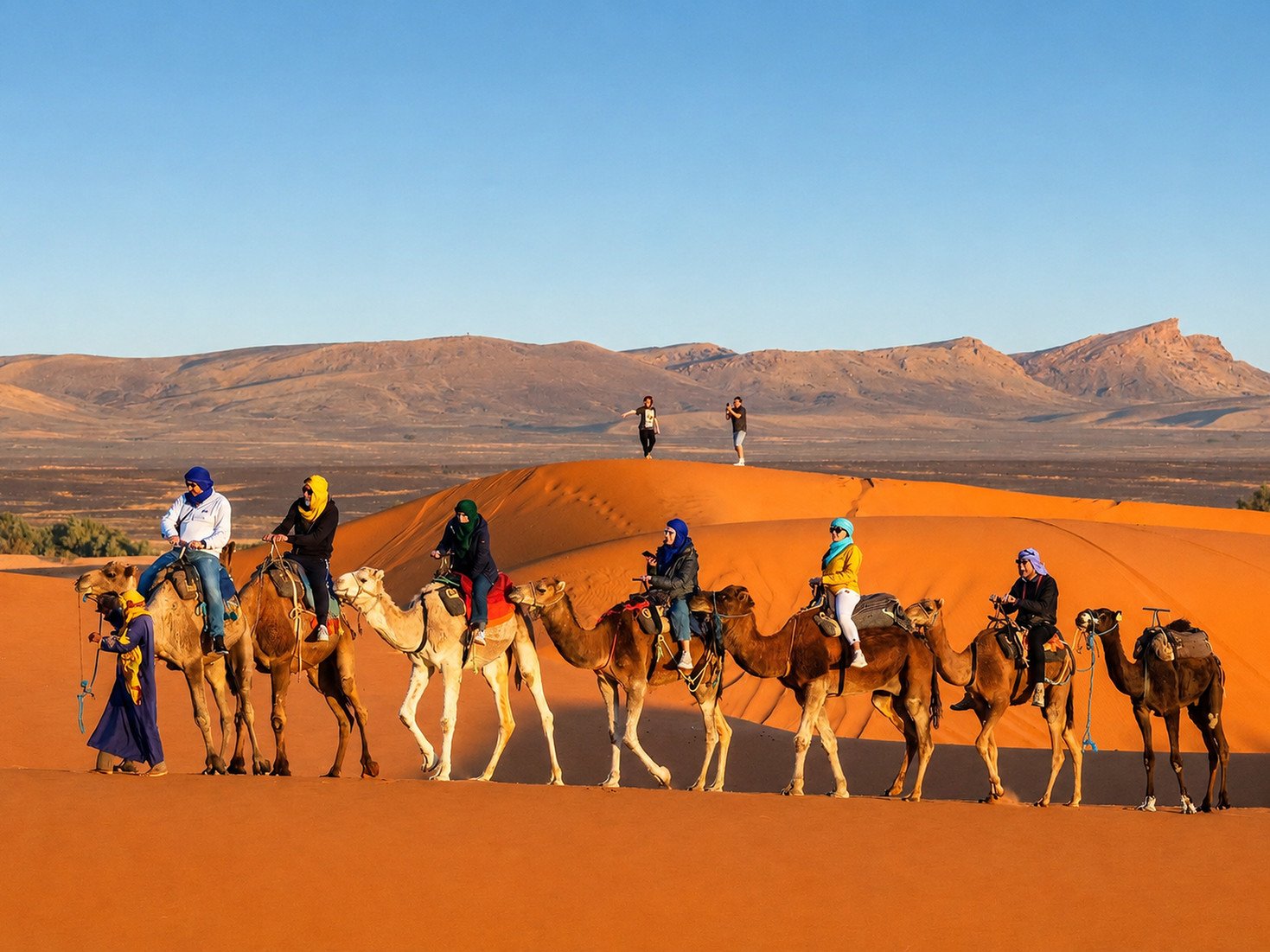
Marrakech & Southern Morocco Guided Tour: Ouarzazate, Merzouga & Zagora
Cross mountain passes, kasbah country, palm-filled valleys, and the dunes of the Sahara.
Morocco for Solo Travelers Guided Tour: Marrakech, the Sahara & Fes
Explore Marrakech, cross the Atlas Mountains, experience the Sahara, and discover Fes on a small guided group journey created for solo travelers.
Plan Your Dades & Todra Journey
Let our local Moroccan travel experts craft a personalized private tour through Dades Valley, Todra Gorge, and the Sahara Desert with licensed local guides and comfortable 4x4 transport.