
What Makes a Guided Tour in Morocco Worth It?
A practical guide to understanding when local expertise, logistics, and flexibility justify the cost
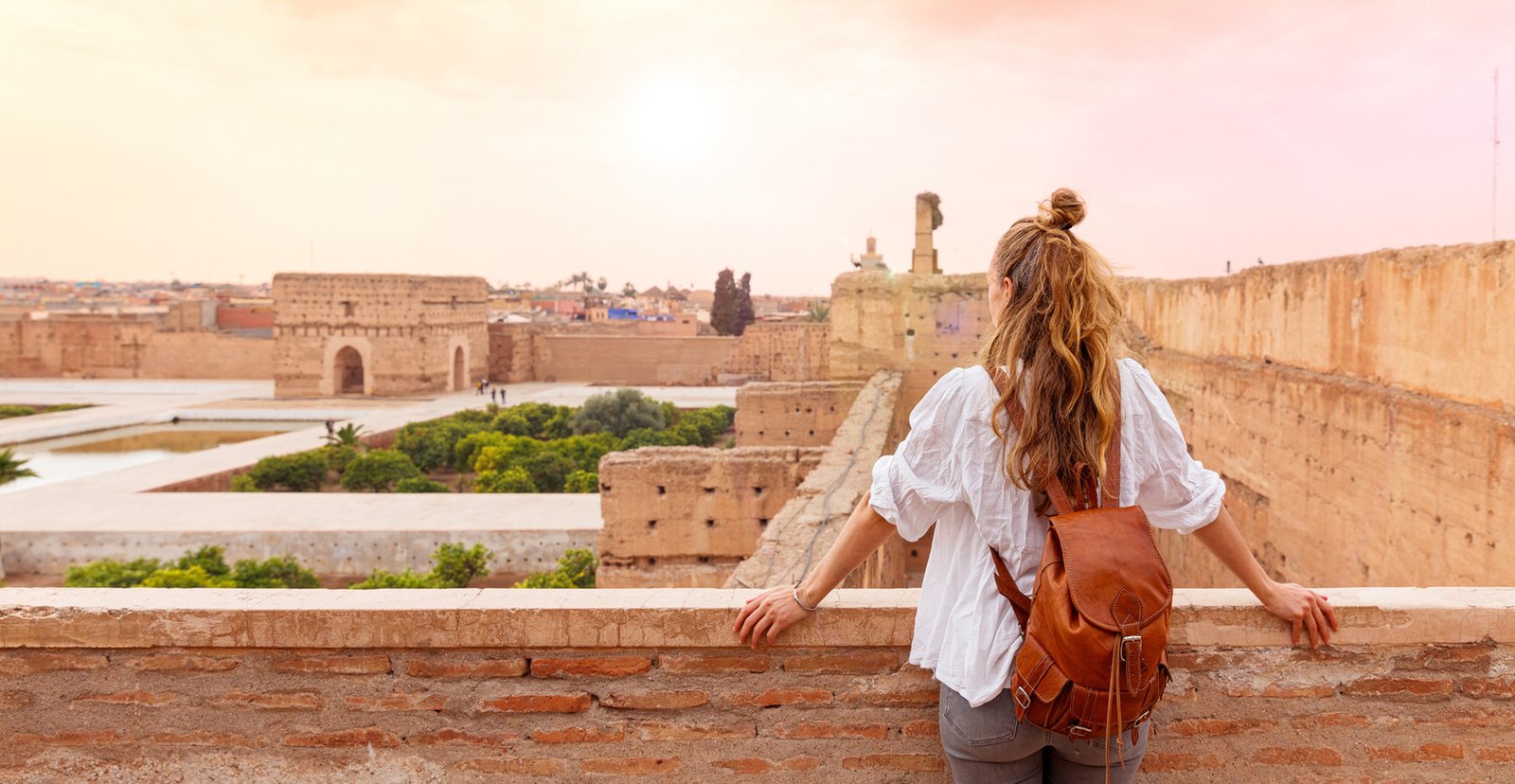
A trip to Morocco can be one of the most rewarding travel experiences in the world: ancient walled medinas, dramatic mountain passes across the High Atlas, the silence of the Sahara Desert, and centuries-old traditions of craftsmanship and hospitality. But for many travelers planning their first trip, an important question comes up early: Is a Morocco guided tour actually worth it, or are you better off traveling independently?
The short answer is that it depends on the kind of trip you want. Morocco is not a destination where a guided tour is mandatory for every traveler or every situation. However, in certain places and for certain travel styles, a knowledgeable local guide or a well-organized private tour can transform a good trip into an exceptional one.
This guide explains where guided travel adds genuine value in Morocco, where independent travel works well, and how to evaluate whether a guided Morocco tour makes sense for your budget, travel style, and time.
Where a Guided Tour Adds the Most Value in Morocco
| Travel Situation | Value of Guiding | Why |
|---|---|---|
| Exploring Fes medina for the first time | Very high | Navigation and cultural interpretation happen at the same time. |
| Historical and architectural sightseeing | High | Context turns buildings and monuments into understandable stories. |
| Multi-day Sahara trip | High | Route planning, transportation, timing, and desert arrangements create substantial logistical value. |
| Atlas Mountains or rural routes | High | Local route knowledge and appropriate specialist guidance may matter more. |
| First trip with limited vacation time | High | Less time is lost researching and solving logistics during the trip. |
| Private family trip | High when flexibility matters | The pace can be adapted around children or different energy levels. |
| Marrakech sightseeing | Medium to high | A guide can add history, context, and easier navigation, while still leaving room for independent time. |
| Simple intercity transportation | Lower | If you only need to get from A to B, a driver or public transportation may be enough. |
| Airport transfer | Low guide value | Transportation is usually the main need. |
| Free afternoon for cafes or shopping | Often low | Independent wandering may be part of the experience you want. |
Complex Medinas Are One Place Where Local Guidance Can Be Especially Useful
Morocco’s historic medinas—particularly in Fes and Marrakech—are living, working urban centers with centuries of history, intricate layouts, and distinct social structures. While wandering through a medina independently can be charming, it can also quickly become overwhelming or repetitive if you do not know what you are looking at.
A knowledgeable local guide does more than keep you from getting lost. A good guide provides cultural translation. They can explain:
- Why is this neighborhood important?
- What am I seeing in this workshop?
- How old is this building?
- What customs should I know about?
- Which traditions are still part of everyday life?
A historic doorway becomes more interesting when you understand its architecture. A craft workshop becomes more meaningful when someone can explain the process, traditions, and economic context. A medina becomes more than a maze of streets when you begin to understand how its neighborhoods, markets, and institutions fit together. This type of interpretation is particularly valuable if history, architecture, food, craftsmanship, or everyday Moroccan culture are major reasons for your trip.
Long-Distance Travel and Sahara Desert Logistics
Another area where guided travel or organized private transportation provides immense practical value is long-distance touring—especially trips that cross the Atlas Mountains or reach the Sahara Desert.
Reaching the Erg Chebbi dunes near Merzouga or the Erg Chigaga dunes from Marrakech involves substantial distances, mountain driving across the Tizi n'Tichka pass, and changing road conditions. Managing this journey independently requires renting a car, driving unfamiliar mountain roads, navigating rural routes, finding reliable fuel and food stops, and arranging desert camp transfers, camel treks, and accommodations.
With a reputable guided tour or experienced private driver, the logistics are handled for you:
- the road journey
- realistic daily driving
- scenic and cultural stops
- accommodation
- desert camp arrangements
- camel or 4x4 activities
- luggage
- meals
- the onward route
Instead of focusing on road navigation, timing, and problem-solving, you can focus on the landscapes, the stops along the way—such as Aït Ben Haddou, the Dades Valley, and Todra Gorge—and enjoying the trip itself.
A Guided Tour Can Save Time on a Limited Schedule
Time is one of the most valuable resources on any vacation. Planning a Morocco itinerary involves many moving parts:
- how many destinations fit your available days
- whether the Sahara makes sense
- where to start and finish
- how long transfers take
- which accommodations work with the route
- how much time should remain for actually experiencing each place
When you travel independently, you are responsible for researching, booking, and troubleshooting every transfer, hotel check-in, ticket, and itinerary detail. When unexpected changes happen—such as weather delays in the mountains or route disruptions—you have to resolve them yourself.
A well-structured guided tour removes much of that friction. The route is planned with realistic driving times, accommodations are arranged to work logically with each day's travel, and an experienced local operator can adapt when plans need adjusting. For travelers with seven to ten days of vacation, this efficiency can mean the difference between an unhurried, memorable trip and one spent managing logistical stress.
Driver vs. Guide: Understanding What You Are Booking
| Role | Main Value | Best Used For |
|---|---|---|
| Driver | Transportation, route familiarity, pickups, and stops | Intercity journeys and transfers |
| Driver-guide | Combines transportation with some level of trip interpretation | Multi-day travel where the operator specifically defines this role |
| Local guide | In-depth destination interpretation and walking visits | Medinas, historic cities, and specialized sightseeing |
| Tour leader | Coordinates the overall journey and group logistics | Multi-day group tours |
In Morocco, official regulations distinguish between transport drivers and licensed local guides. A driver is responsible for safe travel between cities, scenic stops along the road, and general route assistance. A licensed local guide is authorized to provide historical, cultural, and architectural commentary inside monuments, museums, and historic medinas.
When booking any Morocco tour, make sure you understand whether you are booking a private driver with local city guides arranged at key stops, a driver-guide, or a tour that includes fully guided visits throughout. Reputable tour operators will always be clear about what each role covers.
Private Tours vs. Small Group Tours: Value Comparison
Both private guided tours and small group tours can be excellent ways to experience Morocco, but they offer different types of value.
A private guided tour may be worth the extra cost if:
- You want to choose your own travel dates.
- You want a different starting and finishing city.
- You are traveling with children or several generations.
- You have strong interests such as photography, architecture, food, or hiking.
- You want to control your accommodation level.
- You prefer fewer stops and a slower pace.
- You want extra free time.
- You need the itinerary to adapt to your group’s energy.
- You want to combine elements from several standard Morocco tour packages.
When a Small Group Tour May Offer Better Value
A small group tour can be a great option if:
- the published itinerary already matches what you want
- you like meeting other travelers
- fixed dates work for you
- you do not need to customize hotels or daily pacing
- you prefer to share transportation and guiding costs
When You May Not Need a Fully Guided Morocco Tour
A guided tour is not the right answer for every traveler or every part of Morocco. Independent travel can be straightforward, enjoyable, and cost-effective in several situations:
- planning is part of the fun for you
- you are comfortable arranging transportation and accommodations
- most of your route is between major cities
- you have enough time to absorb delays or mistakes
- you value complete spontaneity
- you do not need interpretation at every stop
Cities connected by Morocco's modern train network—such as Casablanca, Rabat, Tangier, and Marrakech—are easy to navigate independently. For example, traveling between Casablanca and Tangier on the Al Boraq high-speed train is fast, comfortable, and simple to book.
Many travelers find that a hybrid approach works best: travel independently between major cities where public transport is easy, and hire a licensed local guide for a half-day in Fes or Marrakech, or book a private guided tour for the Atlas Mountains and Sahara Desert route where logistics are more complex.
Is a Morocco Guided Tour Worth the Cost?
| Cost Component | What to Check |
|---|---|
| Transportation | Private or shared? What vehicle? |
| Guide | Who guides, where, and for how long? |
| Local city guides | Included or extra? |
| Accommodation | Hotel/riad category and room type |
| Meals | Which breakfasts, lunches, and dinners? |
| Entrance fees | Included or paid locally? |
| Sahara camp | Standard or upgraded? What facilities? |
| Desert activities | Camel ride, 4x4, or other activities included? |
| Airport transfers | Included at arrival/departure? |
| Optional activities | What costs extra? |
| Tips | Expected but excluded? |
| Single supplement | Extra for solo travelers? |
| Itinerary changes | Free, possible with cost, or not allowed? |
When evaluating whether a tour quote is worth the price, look closely at what is included rather than comparing top-line prices alone. A tour that appears cheaper may use budget hotels far from the medina center, exclude monument entry fees, omit licensed local city guides, or require long, tiring shared transfers. A slightly higher price that includes quality riads, private air-conditioned transport, knowledgeable licensed guides, and clear meal inclusions often provides significantly better overall value.
How to Tell Whether a Morocco Guide Is Likely to Add Real Value
Not all tour experiences are the same. To make sure you are getting genuine value from a guided Morocco tour, look for these indicators:
- guide knowledge
- cultural explanations
- punctuality
- driving
- route planning
- problem solving
- flexibility
- accommodation
- communication
- whether the itinerary matched what was promised
A great guide does not lecture you with dates and names; they tell the stories behind the places, connect you with local people, answer your questions honestly, help you navigate cultural nuances, and adjust the day when you want more time in a spot or need a quiet break.
How Morocco Guided Tours Can Fit Into This Decision
Morocco Guided Tours offers both private guided options and small-group travel designed around authentic local experiences, comfortable pacing, and knowledgeable local guides and drivers.
If you are planning a trip and trying to decide what type of tour makes sense, consider:
- your travel dates
- trip length
- starting and ending city
- number of adults and children
- accommodation preferences
- whether the Sahara is a priority
- imperial cities
- the High Atlas Mountains
- Essaouira
- cuisine
- photography
- village experiences
- other specific interests
Whether you want a fully planned private tour from arrival to departure, a specialized desert itinerary, or advice on combining independent travel with guided experiences, our team can help you design a trip that fits your style and budget.
Frequently Asked Questions About Guided Morocco Tours
Related Morocco Travel Guides
Explore more practical advice from licensed Moroccan travel specialists.
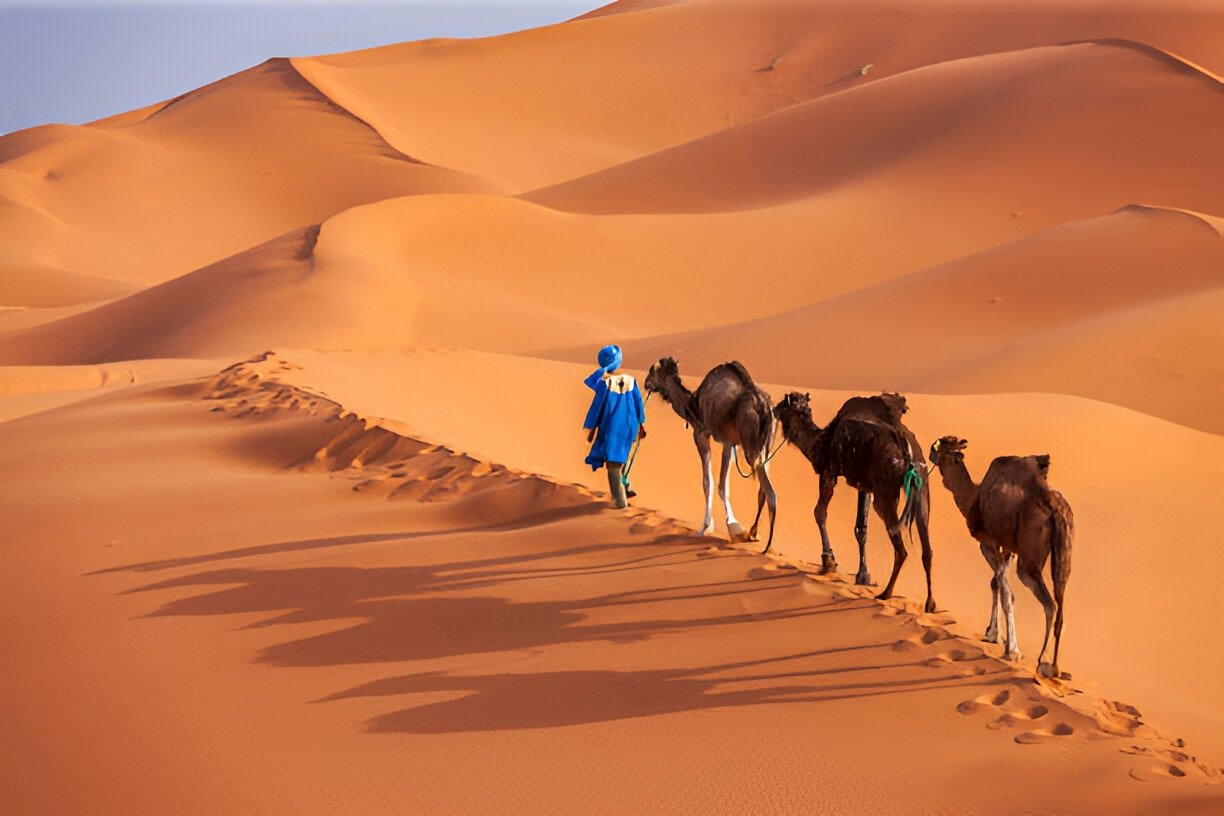
Private Tours vs. Group Tours in Morocco: Which Is Right for You?
Private tour or group tour in Morocco? A local Moroccan guide explains the pros, cons, costs, flexibility, comfort, and which option is best for your trip.
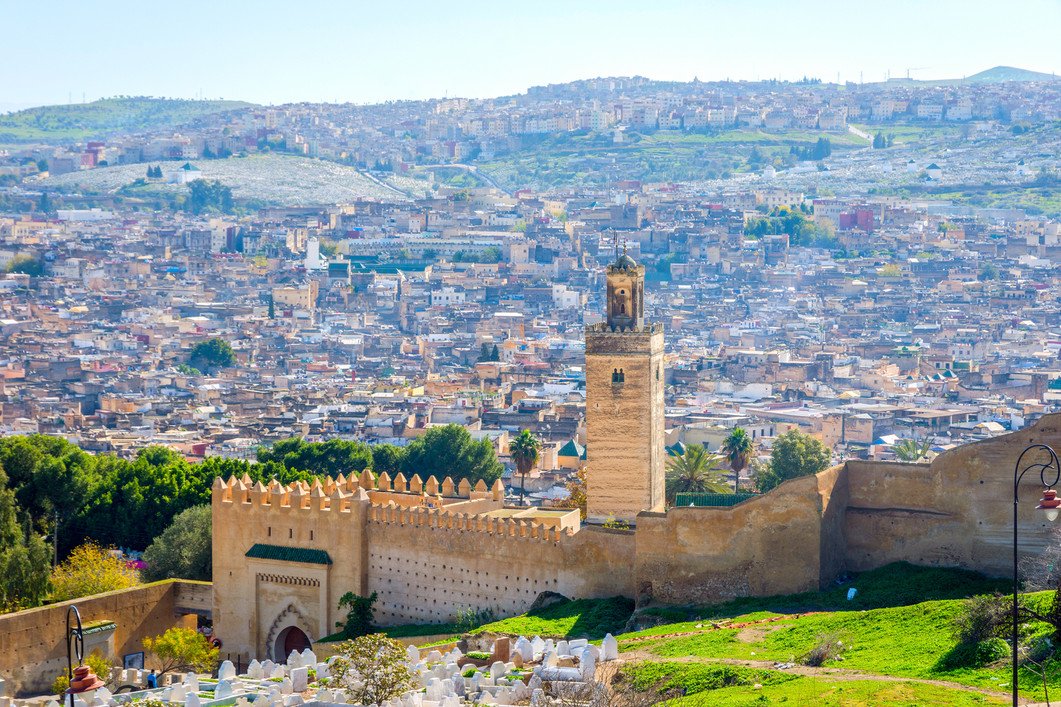
The Best Morocco Itinerary for First-Time Visitors
Planning your first trip to Morocco? Follow this 10-day Morocco itinerary through Casablanca, Rabat, Chefchaouen, Fes, Merzouga, the Sahara, Dades Valley, Aït Ben Haddou, and Marrakech.
Featured Handcrafted Morocco Tours
Expertly paced routes with private transport and licensed local guides.
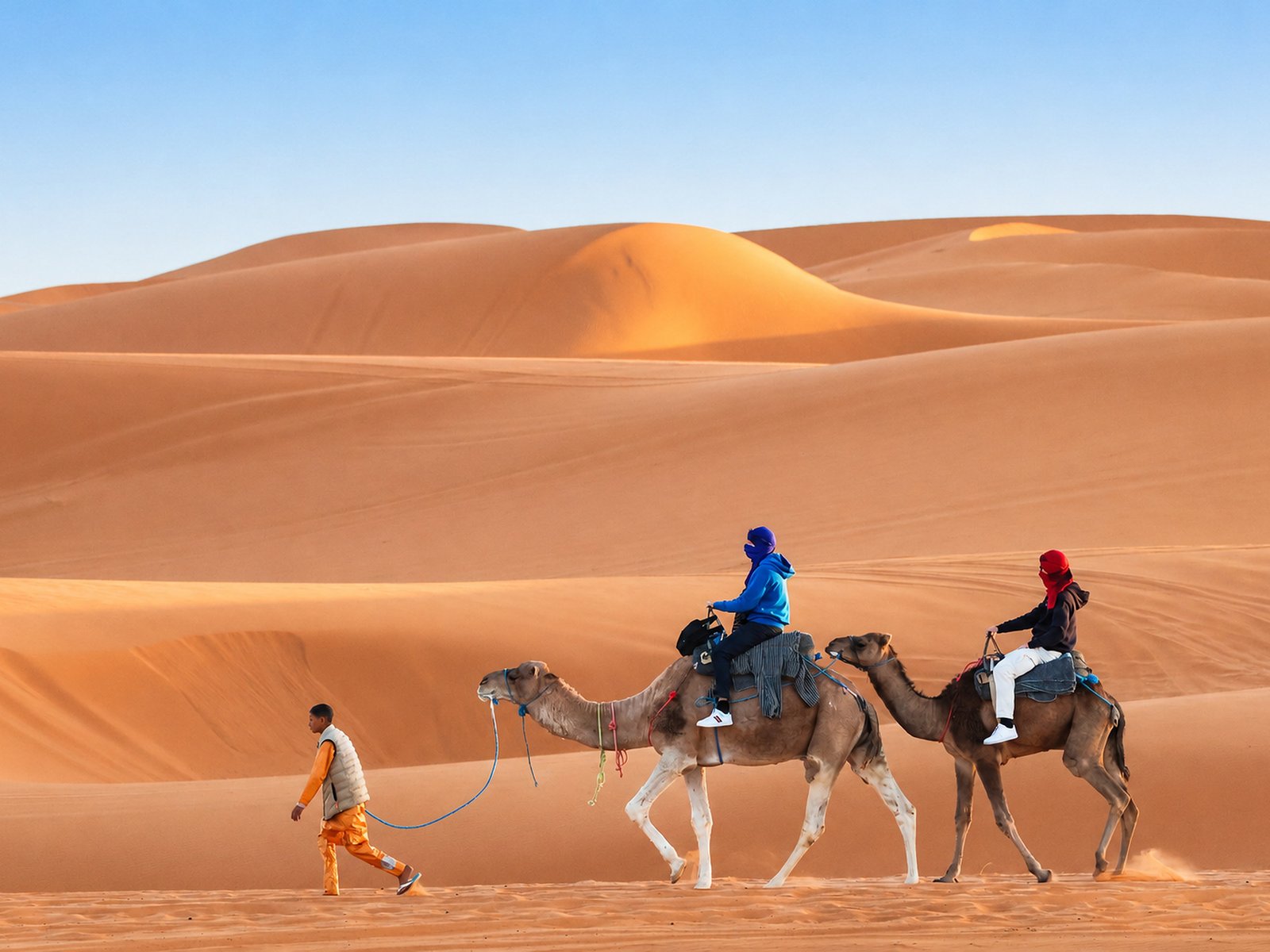
3-Day Marrakech to Merzouga Desert Tour
Cross the High Atlas Mountains, explore ancient kasbahs, and sleep under the Saharan stars.

7-Day Morocco Imperial Cities Tour
Discover Morocco’s imperial cities on a 7-day journey beginning and ending in Casablanca.

10-Day Morocco Grand Tour
The ultimate guided 10-day journey from Casablanca to Marrakech via Chefchaouen, Fes, Merzouga Sahara, and High Atlas.